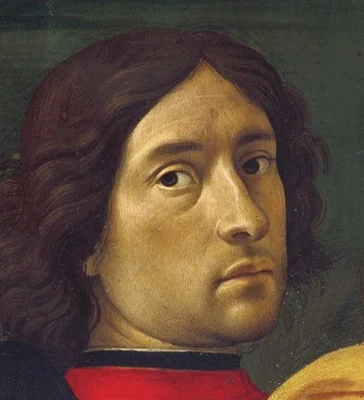
Domenico Ghirlandaio
Domenico Ghirlandaio, born Domenico di Tommaso Curradi di Doffo Bigordi, was among the most critically successful and influential Italian Renaissance painters of the late fifteenth century. Active primarily in Florence, Ghirlandaio was a crucial member of the so-called "third generation" of the Florentine Renaissance, placing him alongside celebrated contemporaries such as Andrea del Verrocchio, the Pollaiolo brothers, and Sandro Botticelli. His prolific career, spanning the second half of the Quattrocento, defined a sophisticated visual vocabulary that deftly blended technical mastery with an acute eye for modern Florentine life.
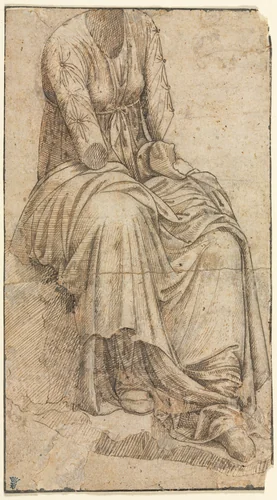
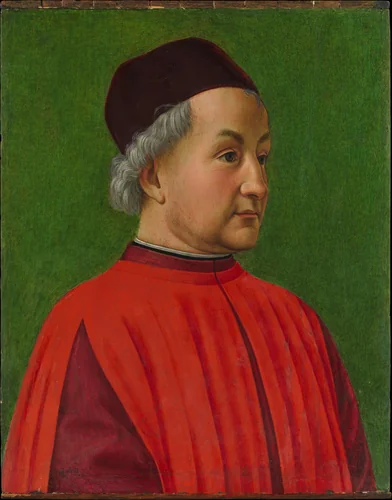
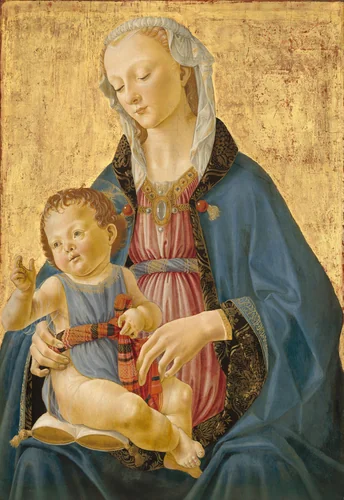
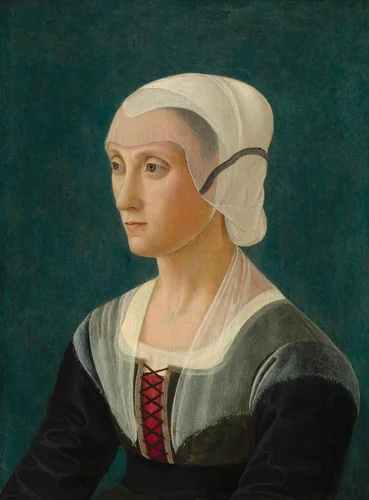
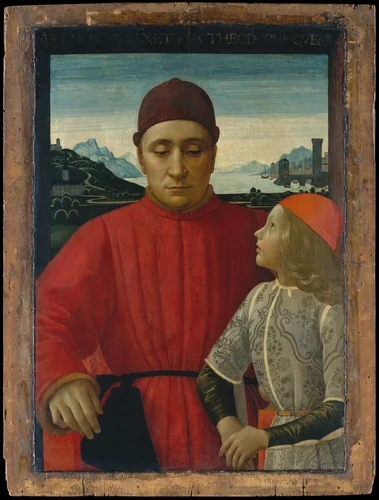
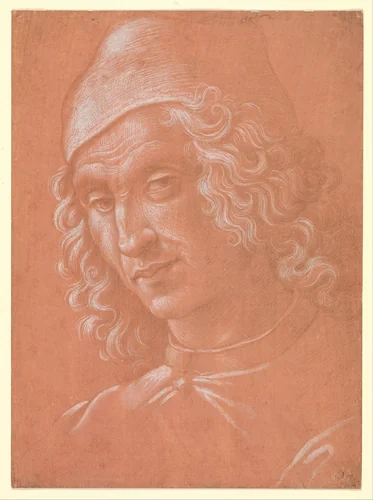
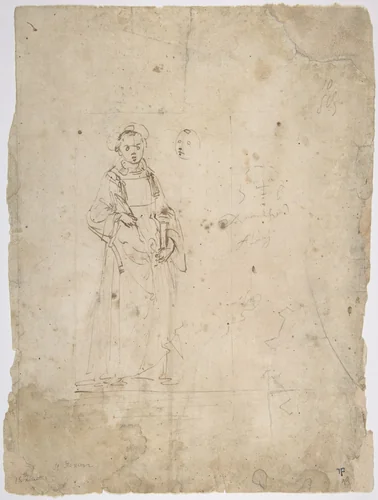
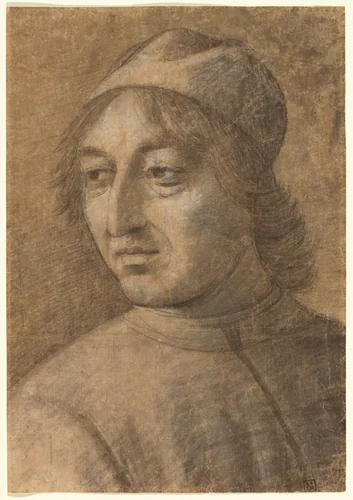
Ghirlandaio specialized in narrative clarity and formal precision, skills often attributed to his initial training as a goldsmith. He excelled at depicting both large-scale religious cycles and intimate portraiture, meticulously recording the powerful dignity of his wealthy patrons. His ability to integrate classical ideals with contemporary faces made his work immensely popular among the leading merchant and aristocratic families of the city. Studies like the Copy of a Roman Statue of a Seated Woman reveal his deep engagement with antiquity, while works such as Portrait of a Man or the focused likeness of Lucrezia Tornabuoni provide invaluable visual documentation of the era's elite. Even his sacred compositions, including numerous variations on the Madonna and Child theme, feel immediate and grounded in reality.
The artist’s influence extended well beyond his painting style. He ran one of Florence’s largest and most systematic workshops, an efficient enterprise dedicated to consistent, high-quality production. It is a subtle, yet defining historical observation that this disciplined environment produced the early talents of Michelangelo Buonarroti, who apprenticed in the Ghirlandaio studio.
Today, Ghirlandaio’s foundational importance to Renaissance art is recognized globally. Major Domenico Ghirlandaio paintings reside in prestigious institutions, including the Metropolitan Museum of Art and the National Gallery of Art. Many of these historically significant works are now accessible in the public domain, allowing scholars and enthusiasts to study them in depth. Such invaluable assets are frequently prepared for release as high-quality prints, ensuring that the legacy of this masterful Florentine remains widely available for future generations.
Source: Wikipedia · CC BY-SA 4.0