Domenico Fetti
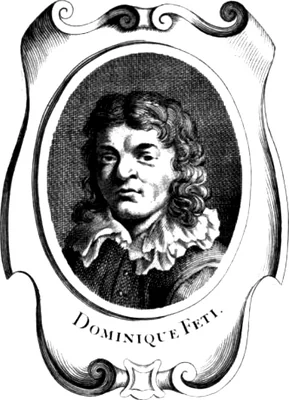
Domenico Fetti (1588-1622) was a pivotal Italian Baroque painter whose concise but influential career bridged the powerful artistic centers of Rome, Mantua, and Venice. Active for approximately thirty years, Fetti secured his place among the early masters of the Baroque era through a highly personalized style defined by intense dramatic observation, fluent brushwork, and rich, saturated color.
Fetti’s early career unfolded in Rome, where he absorbed the dynamism of the post-Caravaggesque environment, though his sensibility leaned more toward decorative splendor and psychological depth than brutal naturalism. His primary period of flourishing began around 1613, following his acceptance of the prestigious appointment as court painter to Ferdinando Gonzaga, Duke of Mantua. This period marked a transition in Fetti’s output, allowing him to move beyond conventional altarpieces toward smaller, imaginative cabinet pictures designed for private display.
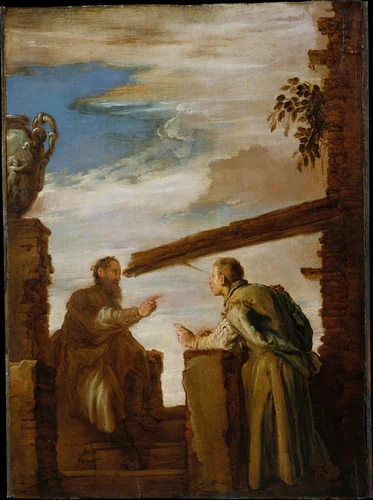
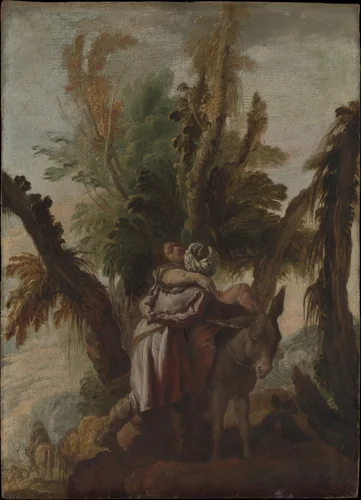
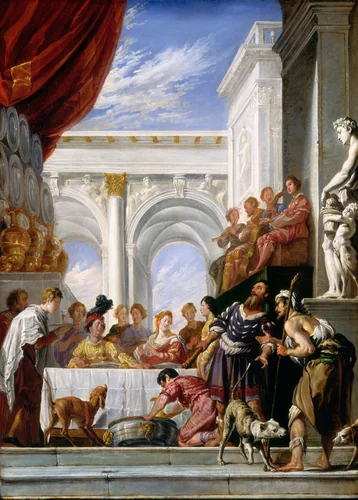
It is through these intimate works that Fetti made his greatest impact. He is particularly renowned for his extensive series of biblical parables, which interpret traditional moral narratives with theatrical immediacy and wit. Masterpieces such as The Parable of the Mote and the Beam and The Parable of Lazarus and the Rich Man exemplify this approach, translating scriptural lessons into vivid, relatable human dramas. The surprising theatricality inherent in these intense religious scenes perhaps reflects the artist’s intimate association with the dramatic spectacles available at the sophisticated Gonzaga court.
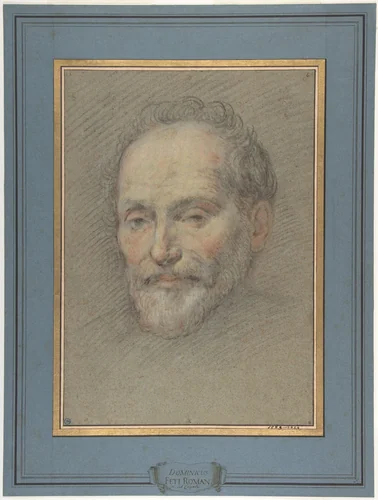
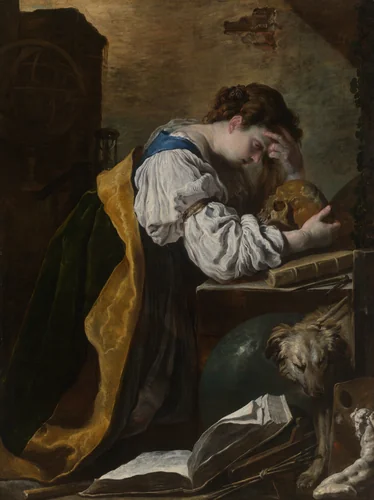
After the death of Duke Ferdinando in 1621, Fetti relocated to Venice, where his highly textural, rapid application of paint resonated deeply with the local tradition of colore (colorism). His technique, often described as almost sketch-like, prefigured aspects of later Venetian painting. Works like Melancholia and Head of a Bearded Man demonstrate Fetti's mastery of both allegorical and straightforward psychological study.
Although his life was brief, Fetti’s contributions ensured that his distinctive voice resonated across northern Italian art. His works are cornerstones of international collections, housed in institutions including the Metropolitan Museum of Art and the Art Institute of Chicago. As the demand for accessibility increases, high-quality prints of Domenico Fetti paintings are increasingly available, ensuring that this early Baroque master’s dramatic compositions continue to be studied and admired through museum-quality reproductions.
Source: Wikipedia · CC BY-SA 4.0