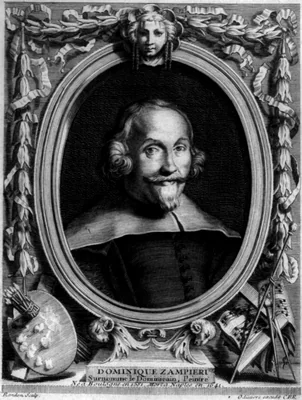
Domenichino
Domenico Zampieri (1581-1641), known throughout history by the slightly curious diminutive Domenichino, was a fundamental figure of the Italian Baroque, originating from the highly influential Bolognese School of painters. His career unfolded during a dynamic period where rigorous classical draftsmanship vied with the burgeoning drama of the Roman high style, often pitting him against rivals known for a more aggressively emotive approach. Though his moniker, translating roughly to ‘Little Domenico,’ arose simply from his short stature, the scope and impact of his technical mastery were anything but small.
Trained initially under Ludovico Carracci, Domenichino established a distinctive style characterized by intellectual clarity and meticulous emotional resonance. He successfully fused the naturalism emphasized by the Carracci academy with a classicizing ideal derived from Raphael, making him one of the most respected, if occasionally understated, masters of the period.
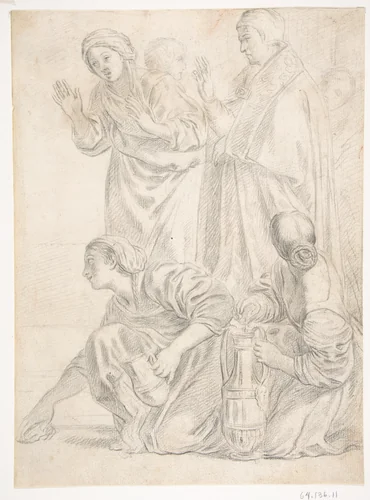
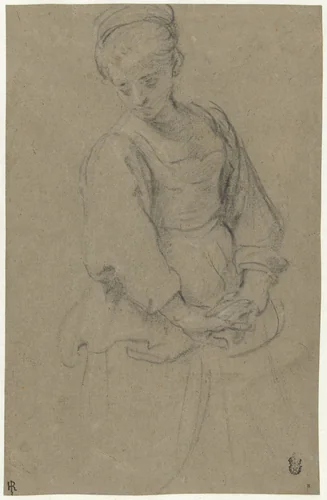
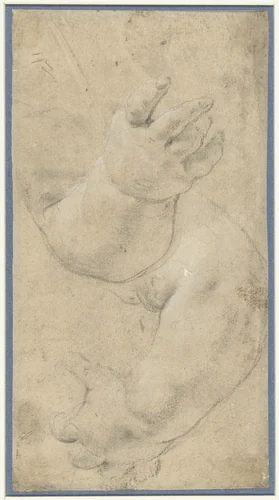
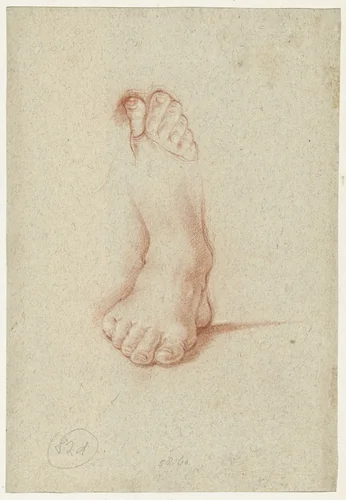
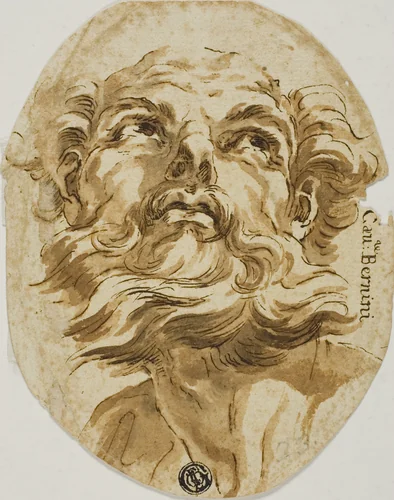
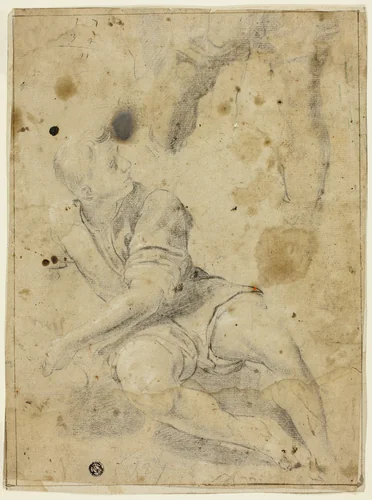
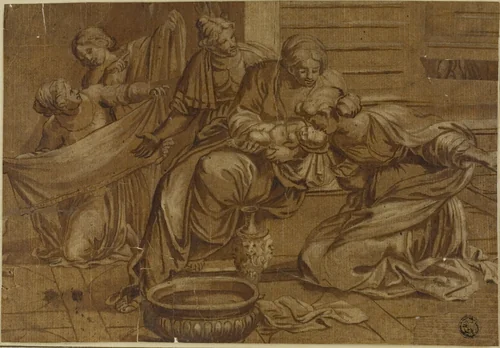
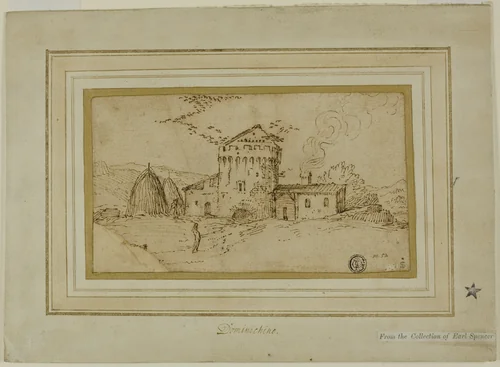
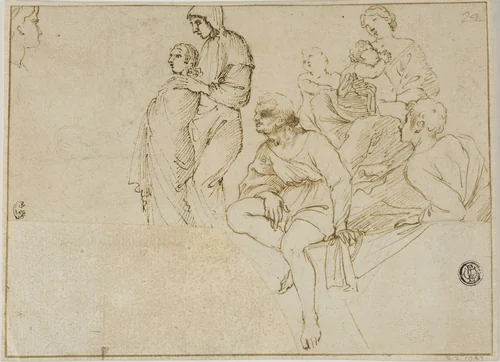
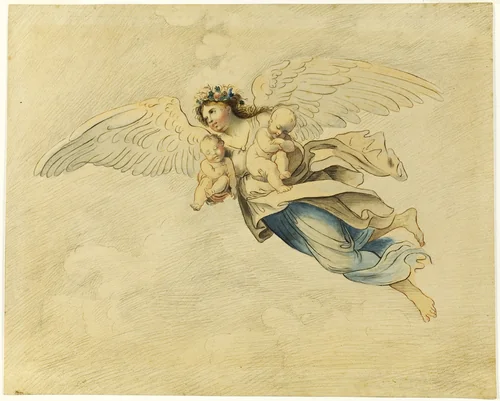
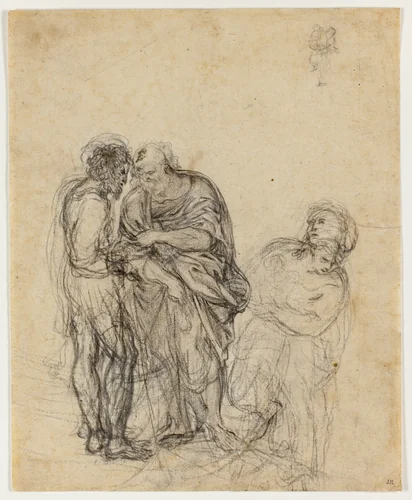
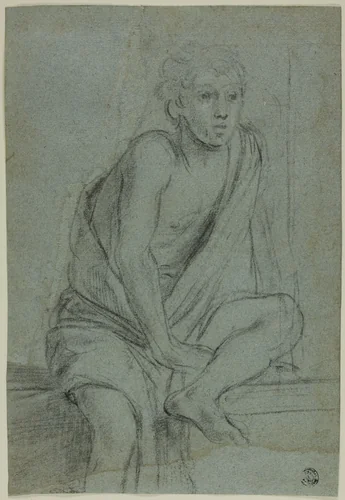
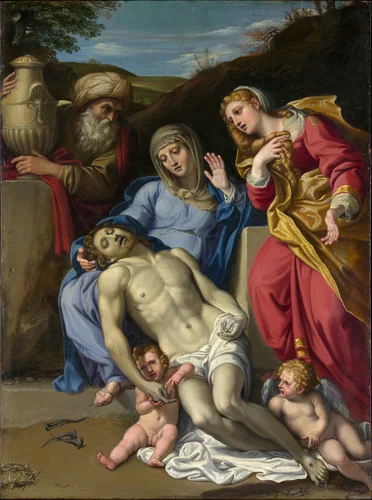
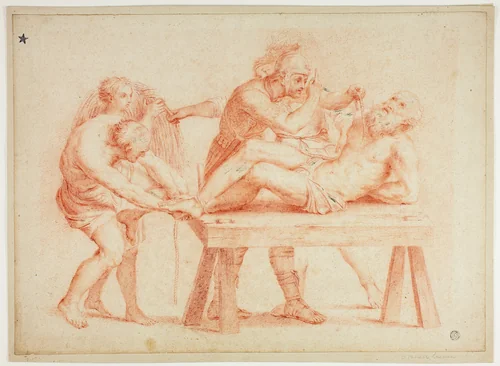
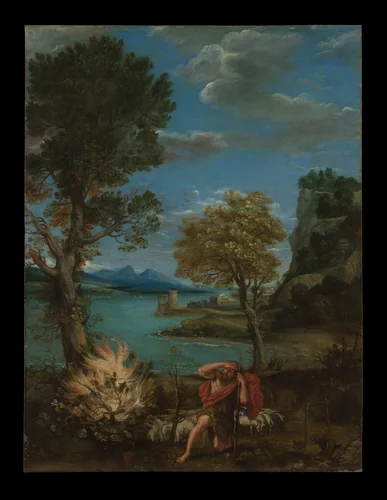
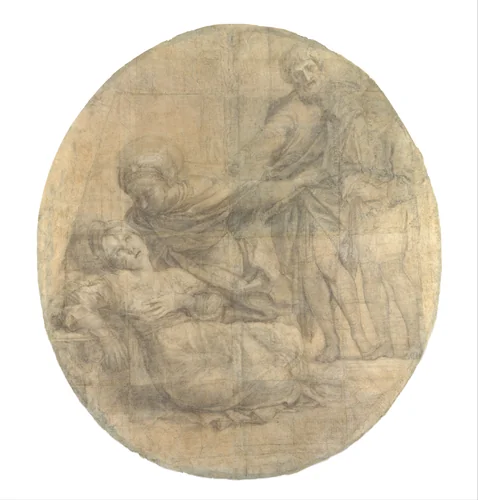
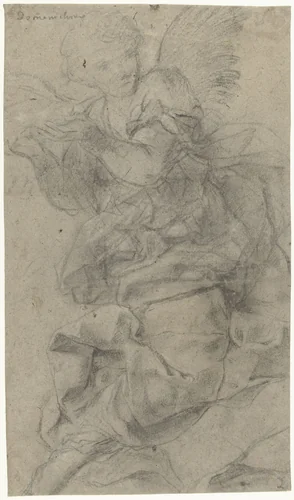
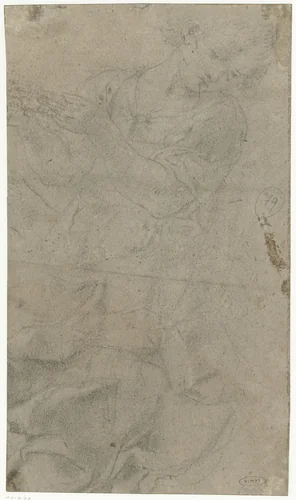
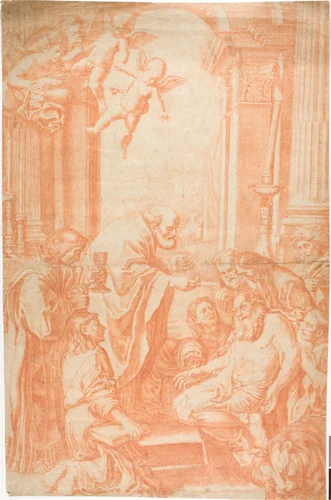
Domenichino was renowned for his disciplined approach to composition and his sensitive handling of expressive figures. A hallmark of his technique was the disegno, the preparatory study, a rigorous process evident in the extant catalog of his work, which currently contains thirteen meticulously executed drawings alongside two major Domenichino paintings. Works such as the careful anatomical study, Studie van twee kinderarmpjes, and the contemplative Staande jonge vrouw met ineengevouwen handen, illustrate his commitment to capturing gesture and form with near-scientific precision. These preparatory sketches served as the architectural blueprints for his grand narrative cycles, particularly those executed during his active period between 1581 and 1609.
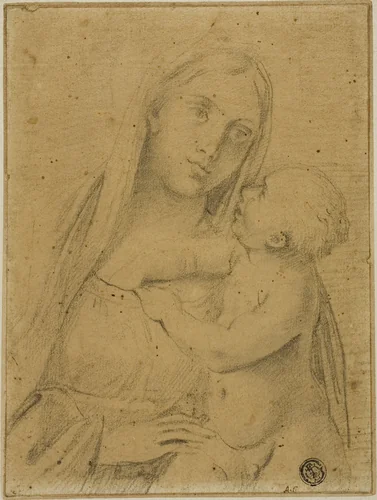
His importance to the development of early seventeenth-century painting is attested by his deep representation in global institutions. Masterworks like the Virgin and Child and Portion of the Martyrdom of Saint Cecilia are held in prestigious venues across the globe, including the Metropolitan Museum of Art, the Rijksmuseum, and the Art Institute of Chicago. For scholars and connoisseurs alike, Domenichino’s work provides a crucial insight into the classical-idealist current of the Baroque era. Because many of his drawings and studies now reside in the public domain, high-quality prints of his work are widely accessible. These museum-quality reproductions ensure that the quiet genius and profound draftsmanship that defined Domenichino's legacy remain perpetually studied.
Source: Wikipedia · CC BY-SA 4.0