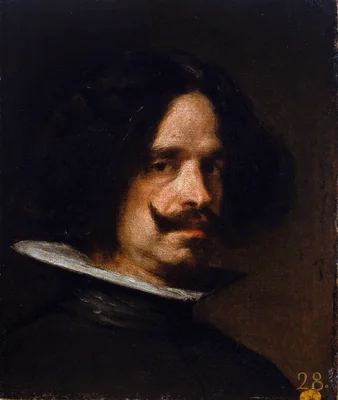
Diego Velázquez
Diego Rodríguez de Silva y Velázquez (1599-1660) stands as the towering figure of the Spanish Baroque and remains perhaps the most significant painter of the Spanish Golden Age. His status was cemented early in his career when he secured the position of leading artist in the court of King Philip IV of Spain and Portugal. This powerful royal appointment provided him with unique access to the highest echelons of European royalty, granting him the crucial subject matter necessary for the profound portraiture that would define his legacy. Velázquez is universally considered one of the greatest artists in the history of Western art.
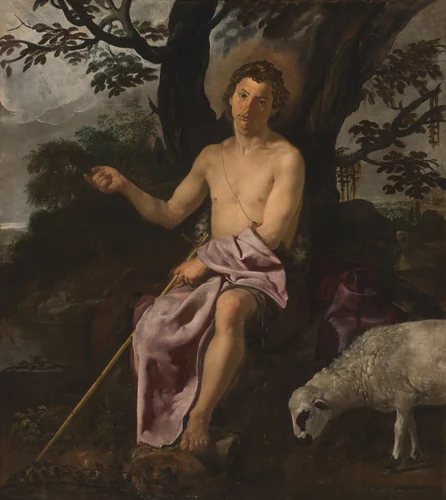
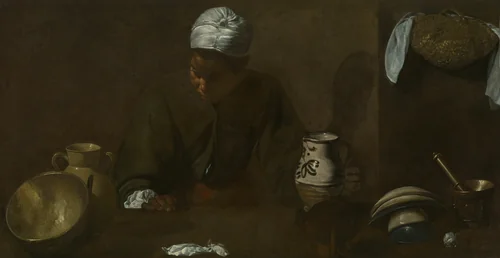
Velázquez was not merely a chronicler of court life; he was an innovator who redefined visual realism. His early work, exemplified by pieces like the introspective Saint John the Baptist in the Wilderness and the genre scene Kitchen Scene, demonstrated a masterful grasp of tenebrism. However, he rapidly evolved beyond this dramatic lighting, perfecting a technique characterized by remarkably loose, confident brushwork and an extraordinary command of atmosphere, anticipating movements centuries later.
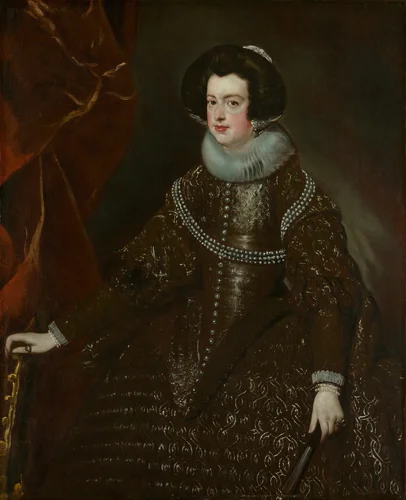
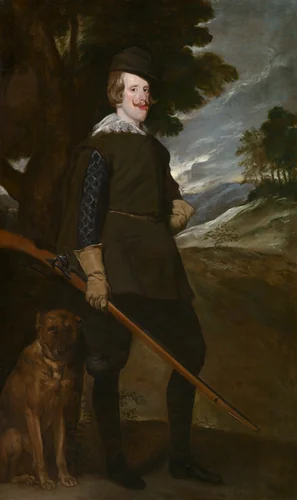
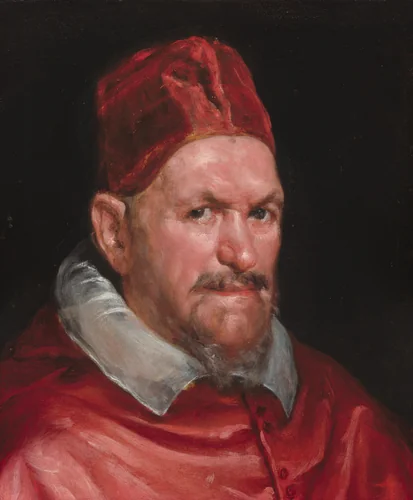
The psychological penetration in his works remains unparalleled. His most famous court portraits, including Portrait of Philip IV and Isabella of Bourbon, Wife of Philip IV of Spain, captured not merely the likeness of his subjects, but also their profound humanity and the burdens of their station. A subtle, yet powerful, characteristic of Velázquez’s approach is the sense that while he painted the office of the King with respect, he treated the man with unnerving honesty.
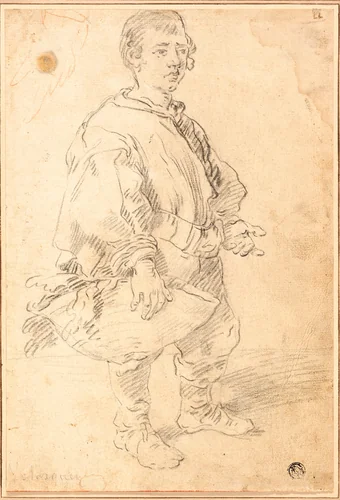
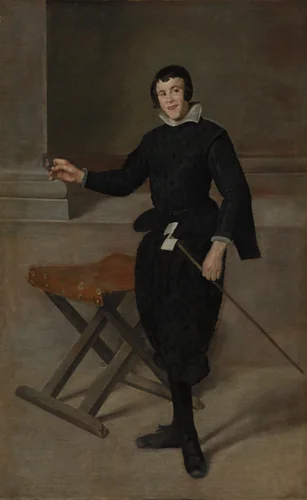
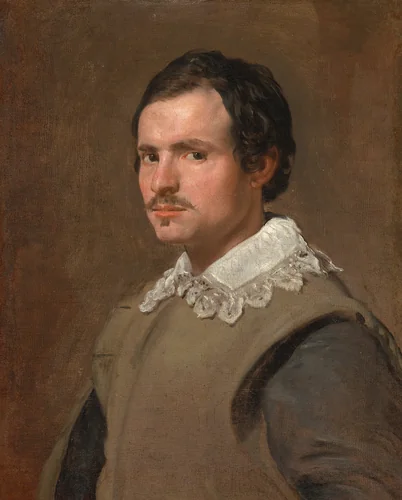
Though the surviving corpus of his Diego Velázquez paintings is surprisingly small—the database lists only eight paintings and one drawing from his active period of 1617 to 1650—their artistic impact is immeasurable. Today, many of his seminal works, housed in world-class institutions like the National Gallery of Art and the Cleveland Museum of Art, are within the public domain. This accessibility ensures that the opportunity to study his technique extends beyond physical museum walls, allowing enthusiasts globally to obtain high-quality prints and downloadable artwork, thereby securing the continued appreciation of his genius.
Source: Wikipedia · CC BY-SA 4.0