Diana Scultori
Diana Scultori (active c. 1530-1581) holds a singular and significant place in art history as one of the earliest documented women to sustain a professional career as a printmaker during the highly active period of Italian Mannerism. Hailing from Mantua, a critical center of Renaissance artistic patronage, Scultori specialized in copperplate engraving, a medium demanding both technical precision and a deep understanding of pictorial composition.
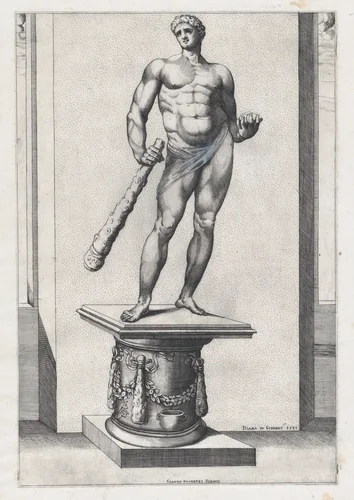
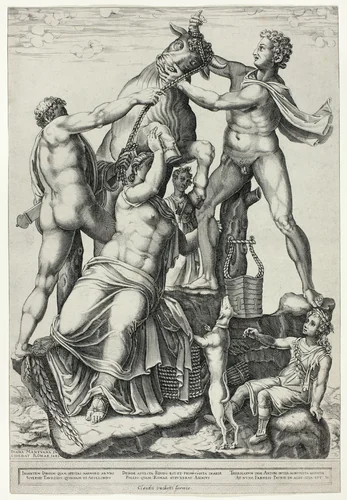
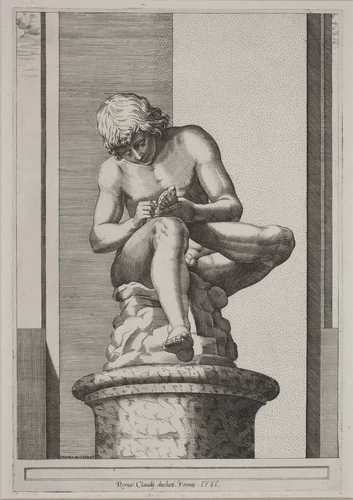
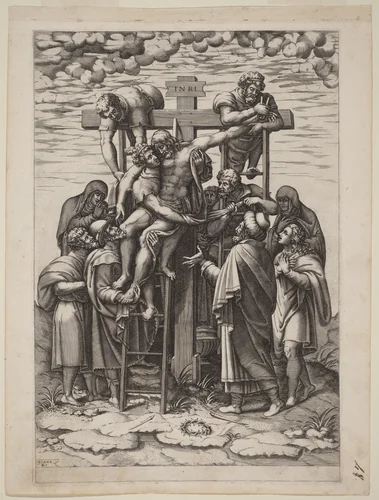
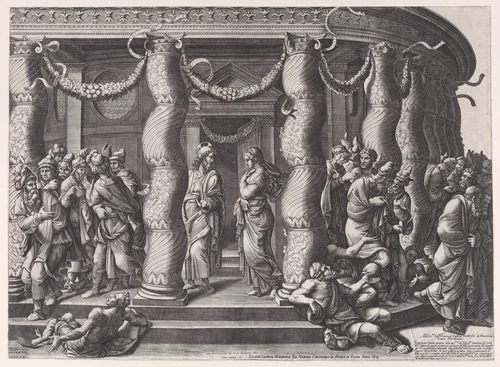
Her known oeuvre comprises approximately fifteen influential prints, the majority of which were reproductive engravings. Scultori expertly translated monumental forms and complex narratives from other media, primarily focusing on celebrated drawings and paintings by masters like Raphael and the Mantuan court artist, Giulio Romano, alongside interpretations of ancient Roman sculpture. Her primary function was to serve as a visual bridge, disseminating the innovations of high Mannerism to collectors and artists across Europe who might never see the originals.
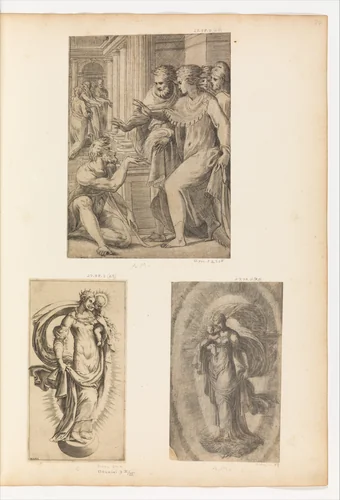
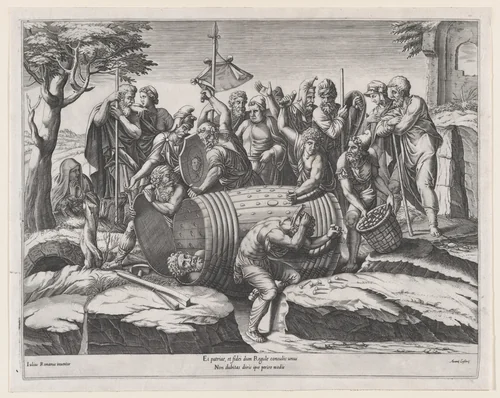
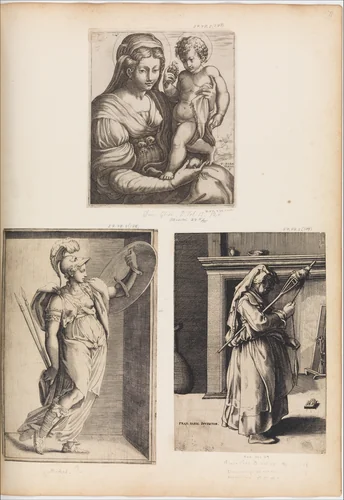
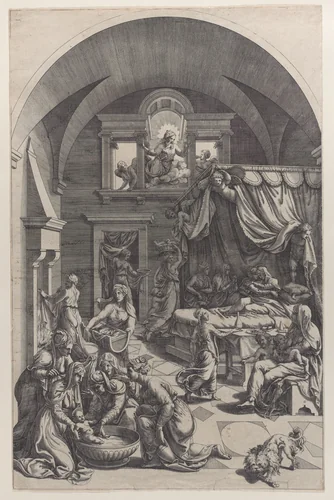
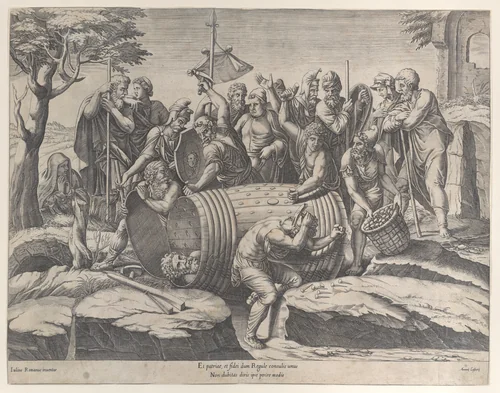
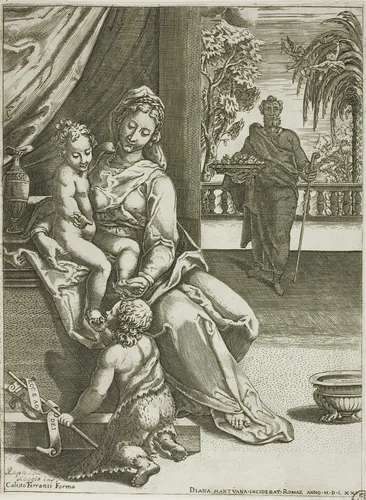
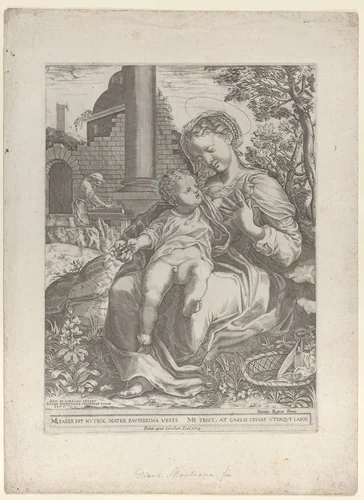
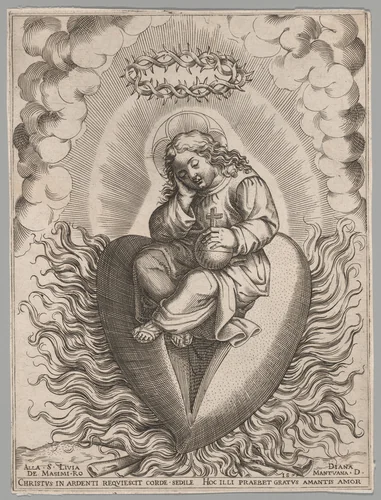
Works such as the dramatic Attilius Regulus in a Barrel and the technically demanding Birth of Saint John the Baptist showcase the aptitude required to convey color, shadow, and texture solely through intricate line work. A particularly fine example of her devotional skill is Virgin and Child (The Immaculate Conception). These Diana Scultori prints achieved wide circulation, earning her inclusion in important contemporary collections, a status today reflected by her works being held by institutions like the Metropolitan Museum of Art and the National Gallery of Art.
The fact that her reproductive work survived and thrived in the highly competitive commercial environment of sixteenth-century publishing attests to the museum-quality craftsmanship she maintained. It is worth noting that while many male printmakers reproduced their own inventive designs, Scultori’s commercial success lay in providing the era’s burgeoning art market with authorized, high-quality prints of canonical masterpieces, effectively serving the era’s demand for sophisticated reproductions. Today, the enduring interest in her meticulous work means that many of her historic reproductions are now in the public domain, ensuring access for new generations studying the critical role of women in early print culture.
Source: Wikipedia · CC BY-SA 4.0

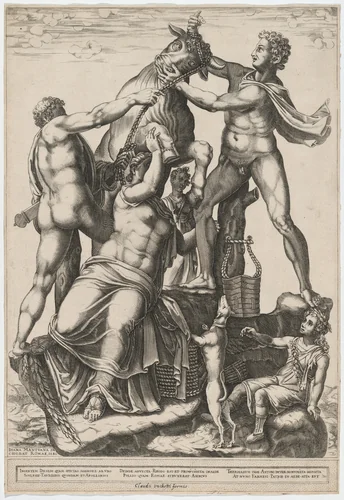
![Amphion and Zethus Tying Dirce to a Wild Bull [The Farnese Bull], from "Speculum Romanae Magnificentiae" by Diana Scultori, print, 1581](https://img.artbee.org/5d9c6a34-6881-45b8-a10c-151f9ca17184/small.webp)