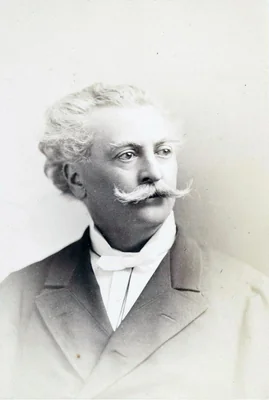
Désiré Charnay
Claude-Joseph Désiré Charnay (1828-1915) occupies a foundational position at the nexus of exploration, archaeology, and early photographic technology. A French traveler and scholar, Charnay dedicated the crucial years of his career, beginning in 1857, to systematically documenting the vast, ruined cities of Mesoamerica. While earlier chroniclers relied on sketches or rudimentary engravings, Charnay adopted the cumbersome, cutting-edge wet-plate collodion equipment of the era, recognizing that the camera offered an unparalleled objectivity in recording monumental architecture and intricate bas-reliefs.
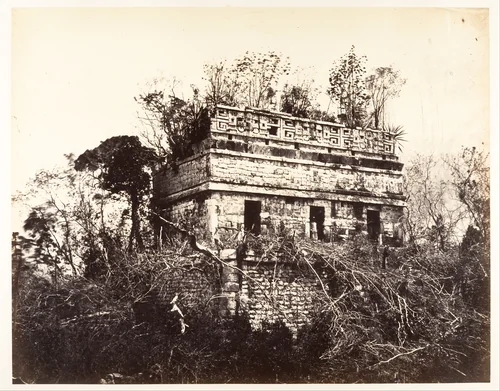
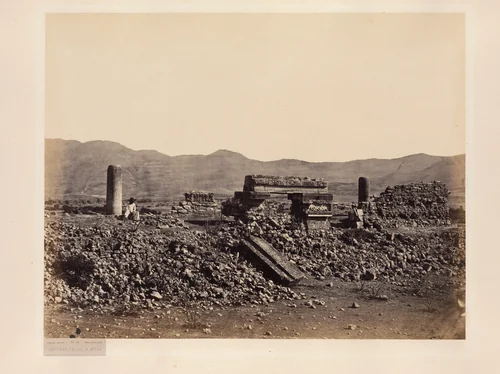
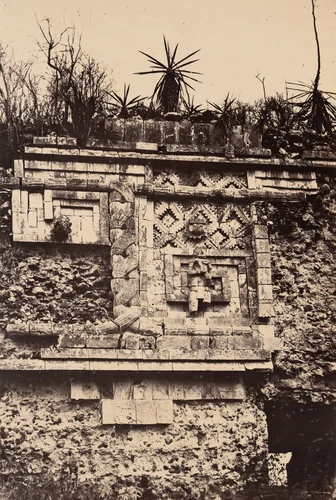
His expeditions yielded indelible visual records of sites like Mitla, Uxmal, and Chichen-Itza, profoundly altering the European understanding of Mayan and Zapotec civilizations. Producing large-format negatives in the intense heat and humidity of the Yucatán Peninsula was an astonishing feat, demanding significant logistical planning and chemical expertise under arduous conditions. It is perhaps an understated observation that Charnay was not merely making pictures; he was transporting colossal ruins into European academic drawing rooms. Works such as La Prison, à Chichen-Itza and Second Palace at Mitla, Mexico function not only as scientific evidence, but as powerful visual compositions that convey the solemnity and scale of these ancient urban centers.
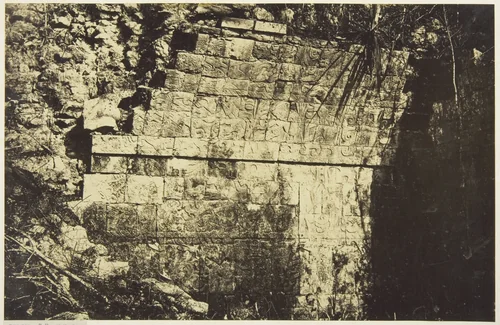
Charnay's landmark album, Cités et Ruines Américaines, published in Paris in 1863, represents a milestone in both anthropology and photographic history. The meticulous detail captured in plates like Uxmal, Indian Bas Relief, Nun's Palace established a rigorous standard for archaeological documentation that persists today. His photographic legacy is preserved in major institutions globally, including the National Gallery of Art, the Metropolitan Museum of Art, and the Art Institute of Chicago. Because of the age and importance of his output, much of the foundational record of his explorations is now widely accessible. Today, high-quality prints and downloadable artwork of these vital historical documents are available to researchers and enthusiasts, ensuring that Désiré Charnay’s pioneering vision continues to inform contemporary scholarship on Mesoamerican antiquity.
Source: Wikipedia · CC BY-SA 4.0
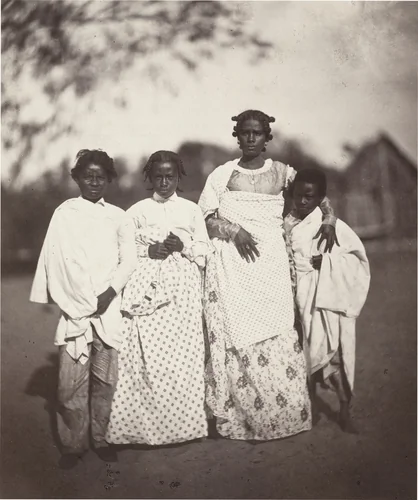
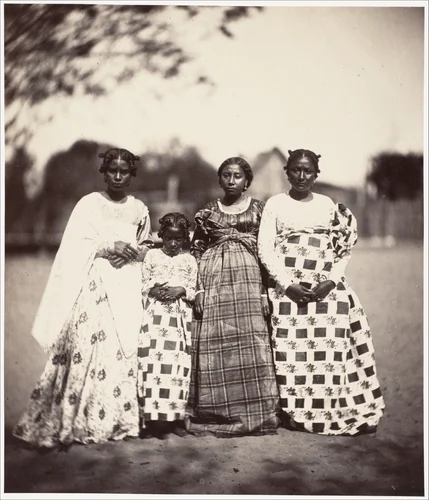
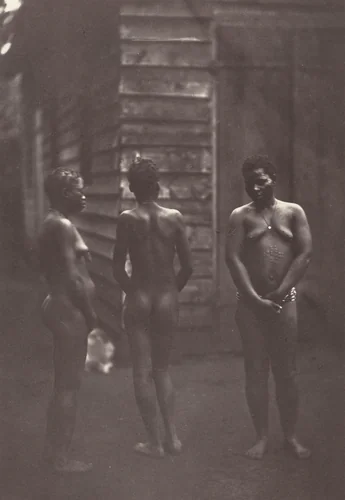
![[Family Group] by Désiré Charnay, photograph, 1863](https://img.artbee.org/6250626c-f3a2-49ac-a024-e8c0abb7c2c7/small.webp)