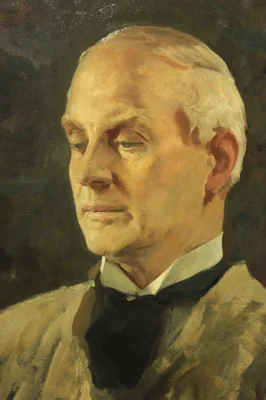
David Young Cameron
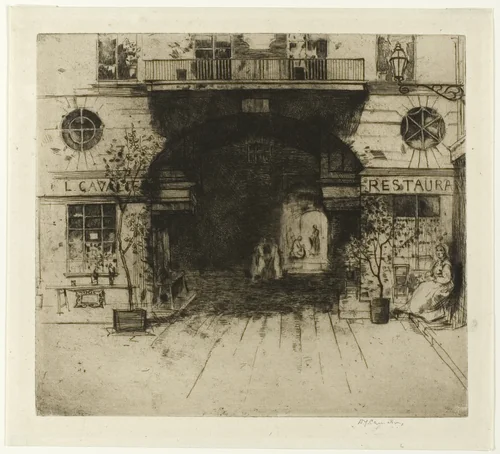
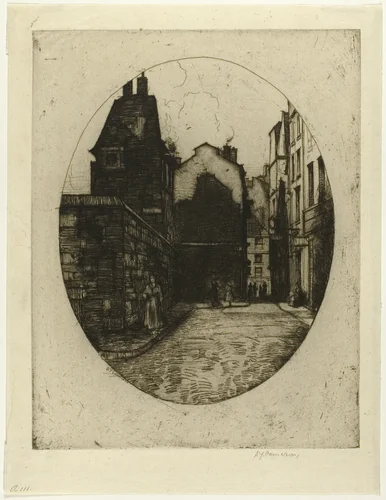
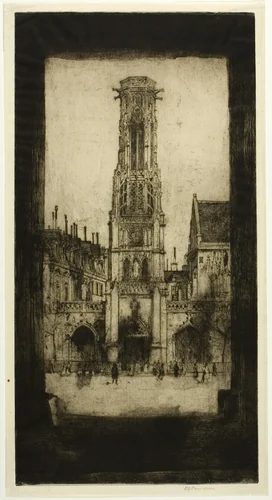
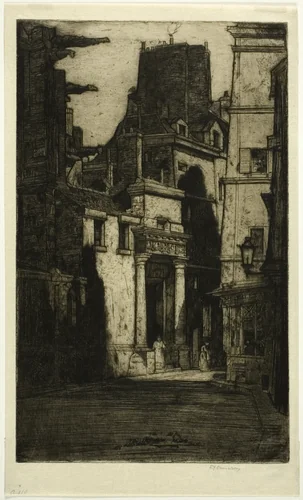
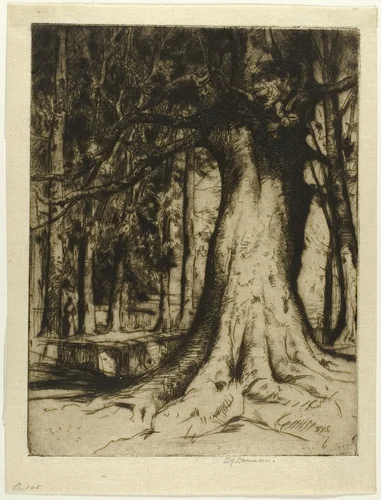
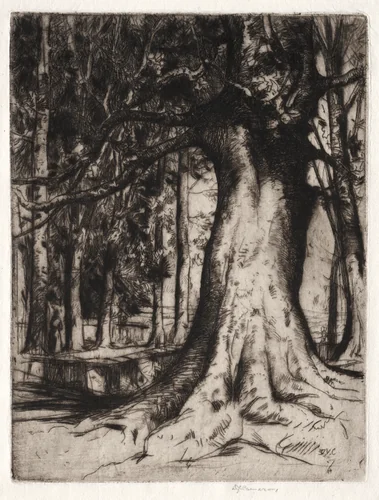
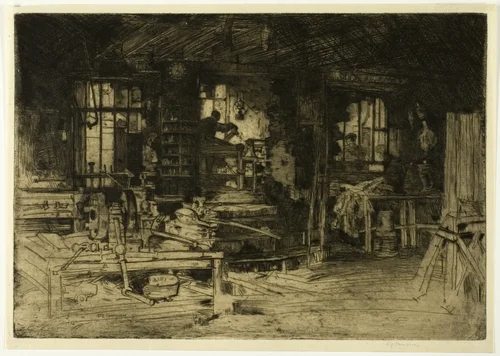
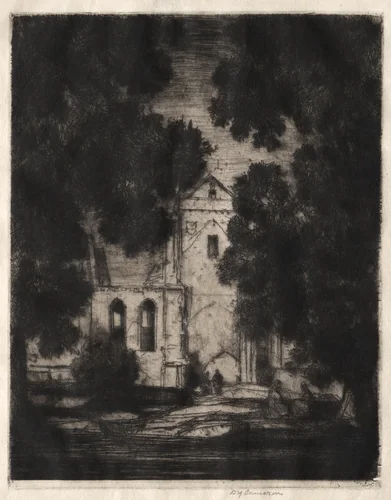
Sir David Young Cameron (1865-1945) was a towering figure in Scottish art, renowned primarily for his pivotal contributions to the Etching Revival in the late nineteenth and early twentieth centuries. While he was an accomplished painter of landscapes and townscapes, his greatest critical and commercial success was achieved through the demanding medium of the etched plate.
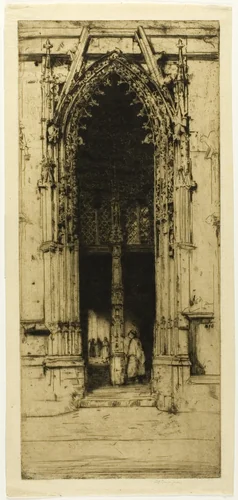
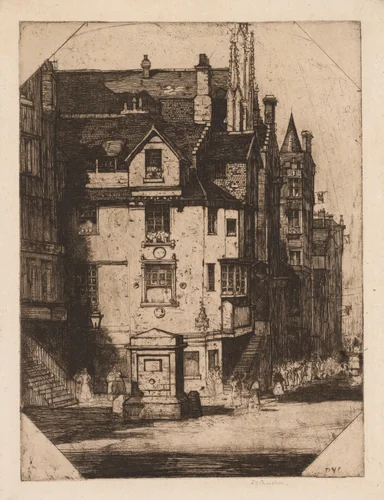
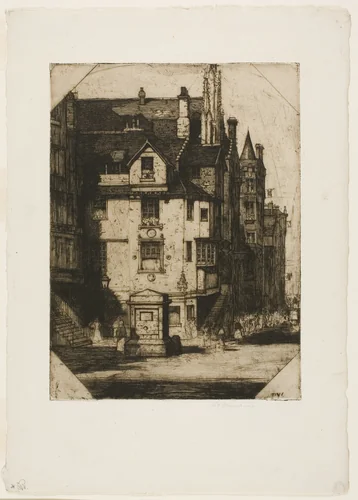
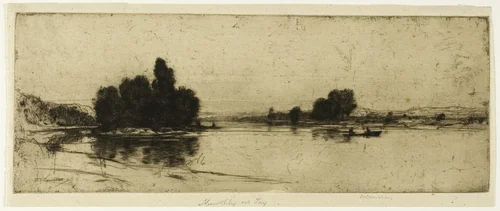
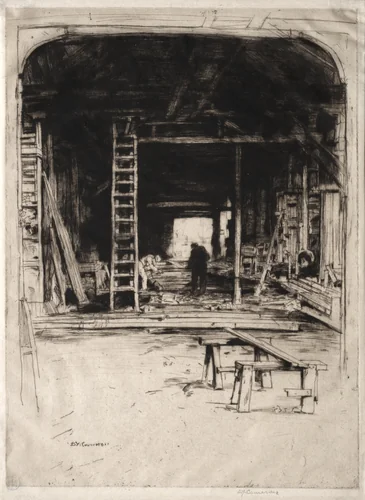
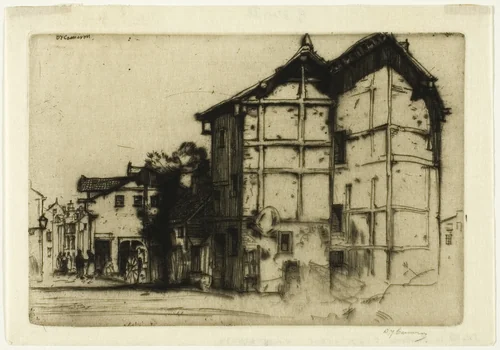
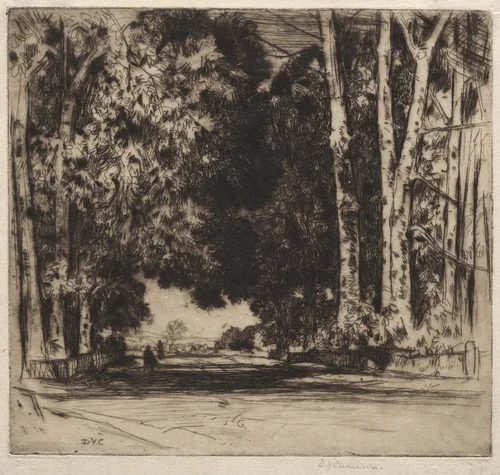
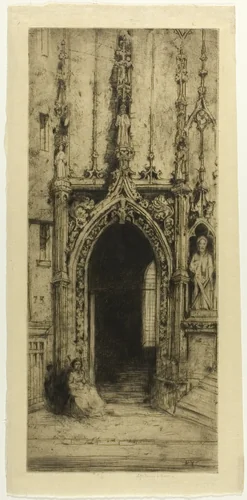
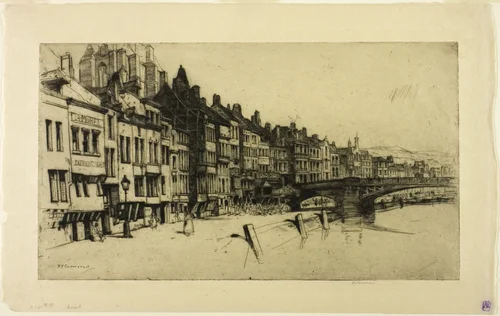
Cameron’s signature style emerged fully formed around the turn of the century, characterized by a meticulous yet atmospheric rendering of architecture and topography. He specialized in using sparse, assured lines and dramatic negative space to evoke mood, light, and the texture of stone or water. He successfully applied this graphic discipline to varied settings, from the rugged isolation of his native country, exemplified by works such as Isles of Loch Lomond and Loch Ness, Scotland, to intimate urban vignettes captured during his extensive travels. The compelling print A Courtyard in Cairo, for instance, showcases his ability to translate harsh desert light and complex architectural geometry into delicate, controlled cross-hatching.
Cameron was instrumental in legitimizing etching as a major art form in Britain, securing its status outside the constraints of mere illustration and helping fuel the widespread collecting craze that defined the period. Though highly accomplished in oil, creating strong examples of David Young Cameron paintings throughout his career, Cameron’s lasting reputation rests securely on the acid plate, perhaps a wry observation on the prevailing critical preferences of the era.
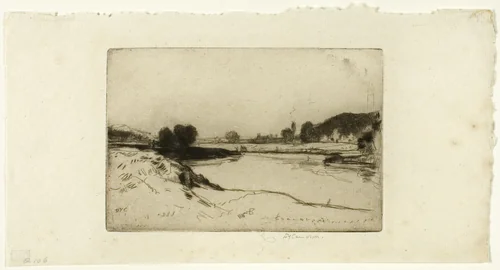
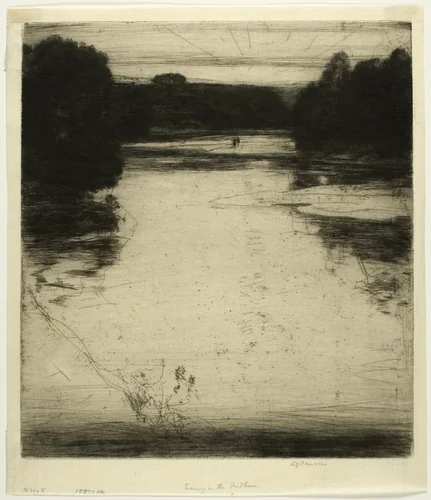
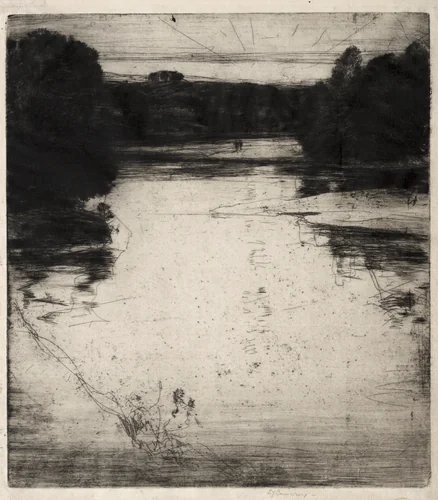
His sophisticated control over tonal values and composition made his works highly desirable collector items; institutions such as the Art Institute of Chicago and the Cleveland Museum of Art actively maintain significant holdings of his graphic output. Today, the technical rigor and enduring atmospheric quality of his oeuvre ensure his continued relevance. Many of his key compositions, including the evocative A Scottish River and The Red Castle, are increasingly entering the public domain. This shift allows scholars and art enthusiasts ready access to high-quality prints and royalty-free images, cementing Cameron’s place as a master printmaker whose influence extended far beyond the immediate boundaries of the Revival itself.
Source: Wikipedia · CC BY-SA 4.0