David Teniers the Younger
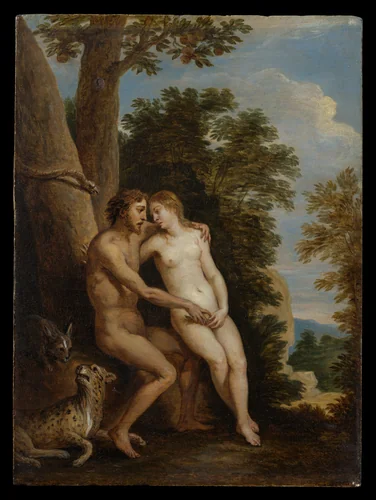
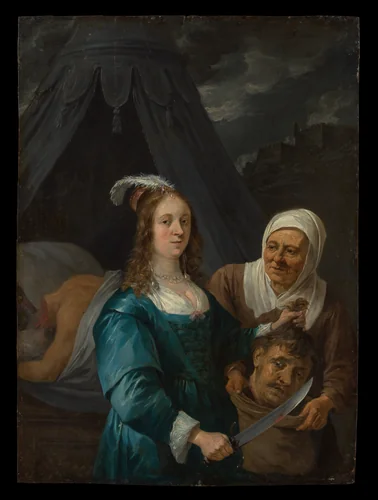
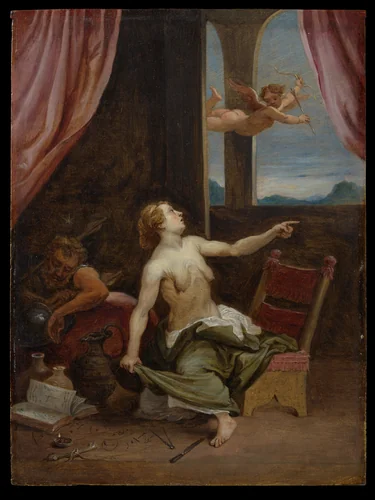
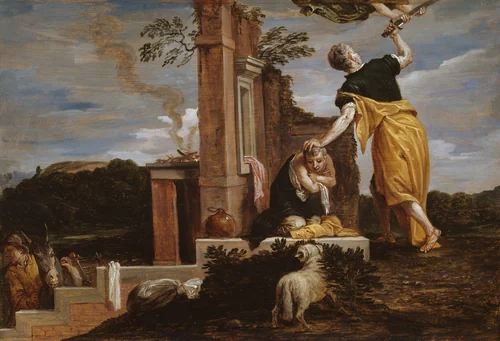
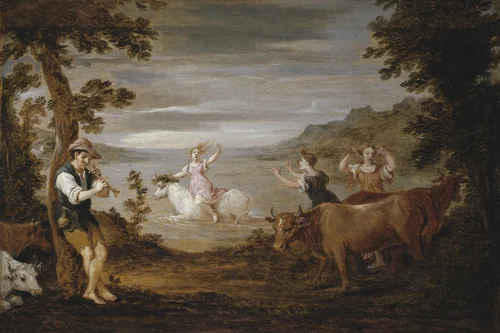
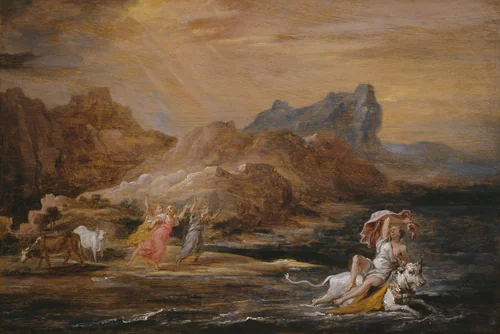
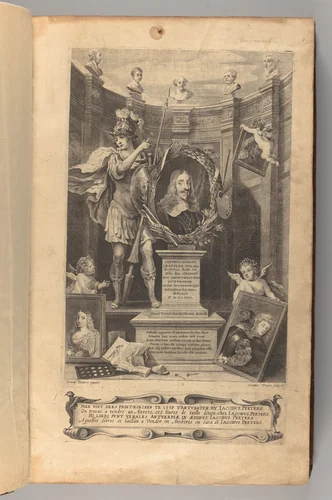
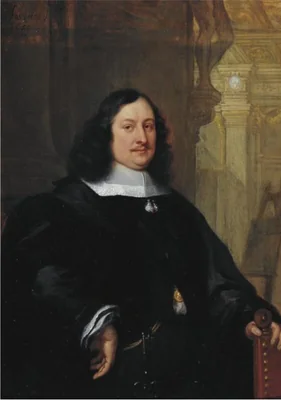
David Teniers the Younger stands as the most defining and prolific Flemish Baroque genre painter of his generation. Highly versatile, he cultivated a monumental output spanning seven decades, working successfully as a painter, printmaker, draughtsman, miniaturist, and influential art curator. His comprehensive command extended across nearly all contemporary genres, including history painting, landscape, portraiture, and still life.
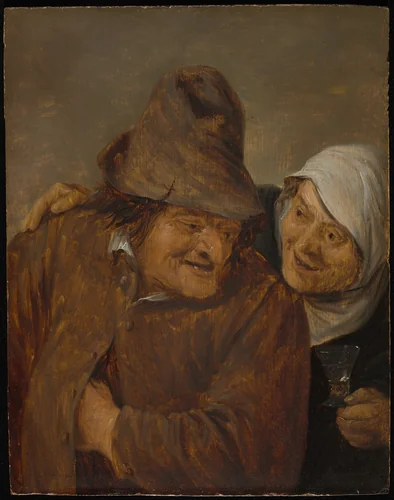
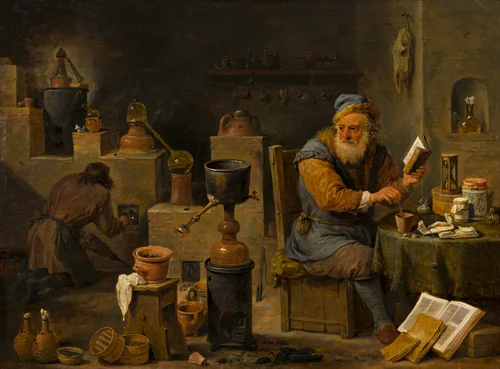
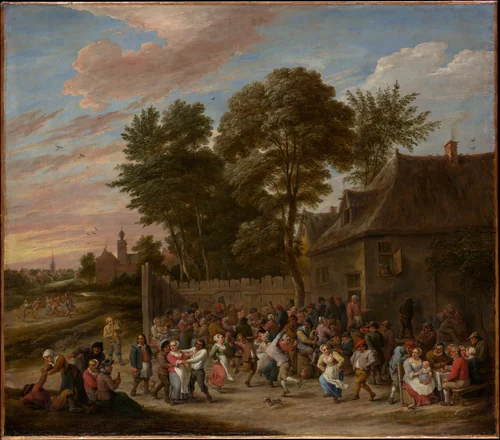
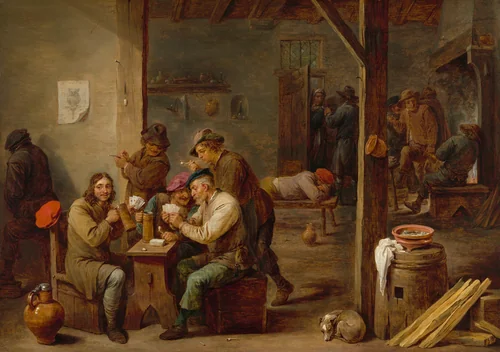
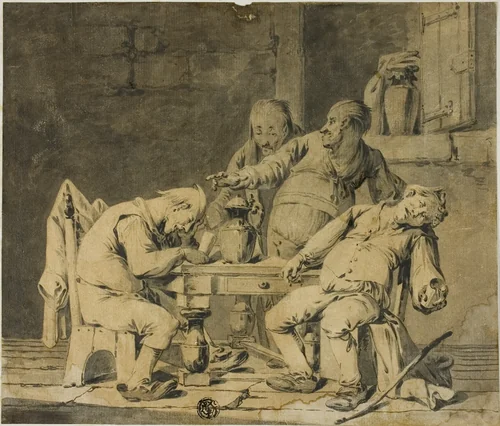
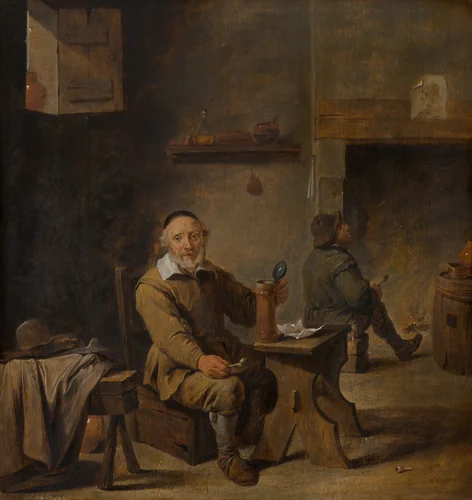
Teniers’ enduring fame rests on his innovative refinement of the low-life genre scene. He took the peasant subjects popularized by earlier masters and introduced a greater sense of compositional refinement and luminosity. Unlike strictly moralizing predecessors, his works, such as the lively A Family Carousing, offer astute, often witty, social observations that became wildly popular across Europe. He is particularly recognized for developing specialized niche genres: detailed tavern interiors, scenes focusing on the eccentric practices of alchemists and physicians, and the popular "gallery painting," which visually cataloged contemporary art collections.
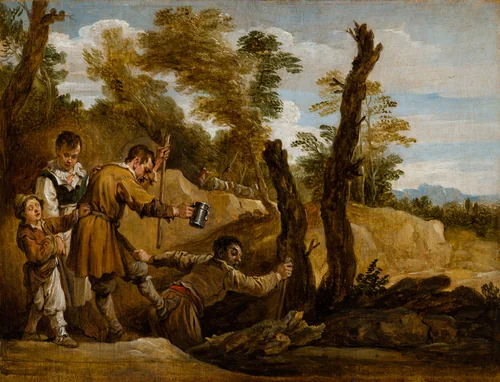
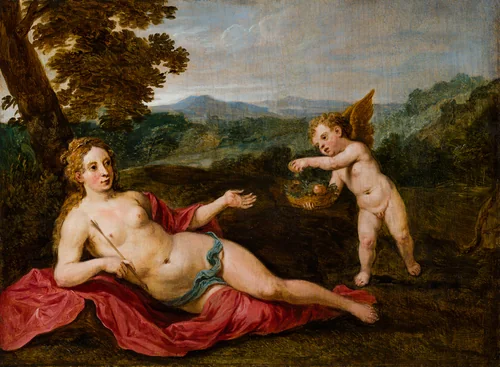
A master of preparation, his commitment to natural observation is confirmed by surviving studies, including fine David Teniers the Younger paintings and detailed drawings like Studies of Hounds. These works illustrate the precision that underpinned his finished canvases.
Beyond the studio, Teniers held a position of profound cultural authority, serving as court painter and, crucially, as curator to Archduke Leopold Wilhelm, Governor of the Spanish Netherlands. This highly distinguished appointment gave him unique insight into one of the era’s greatest collections, an expertise he frequently shared in his detailed depictions of collections. He was, in essence, curating the court's taste while simultaneously documenting the market he helped define. His lasting impact is evidenced by his prominence in major institutions globally, including the National Gallery of Art and the Metropolitan Museum of Art. Today, the technical skill and enduring charm of his compositions mean that high-quality prints and downloadable artwork from the public domain remain highly sought after by collectors of seventeenth-century Dutch and Flemish masters.
Source: Wikipedia · CC BY-SA 4.0