David Octavius Hill
David Octavius Hill (1802-1870) remains one of the seminal figures bridging Scottish Romantic painting and the subsequent revolution in photographic portraiture. Primarily trained as a painter, Hill maintained an active career producing scenic views and studies throughout the 1820s and 1830s, such as the detailed View of Fingal's Cave and the preparatory drawing, View of a Waterfall. This dedication to composition and landscape observation laid the critical foundation for his later photographic achievements. However, it was his pivotal role as an arts activist and his embrace of the newly emerging medium that secured his lasting international reputation.
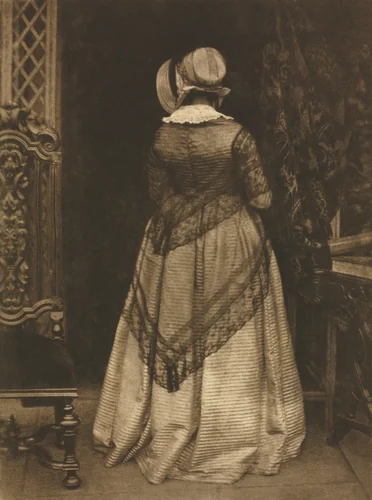
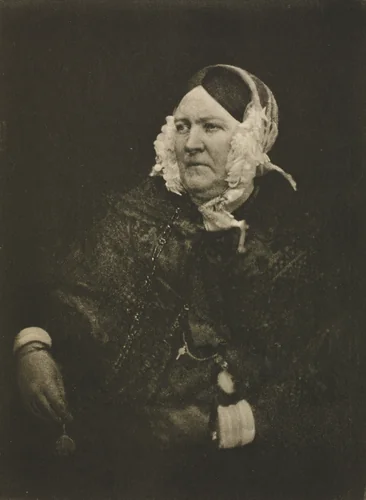
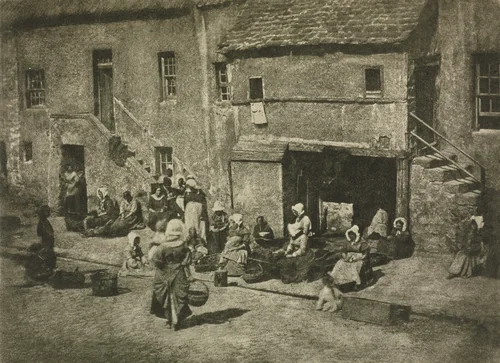
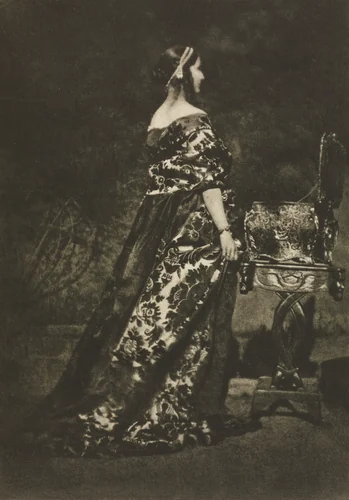
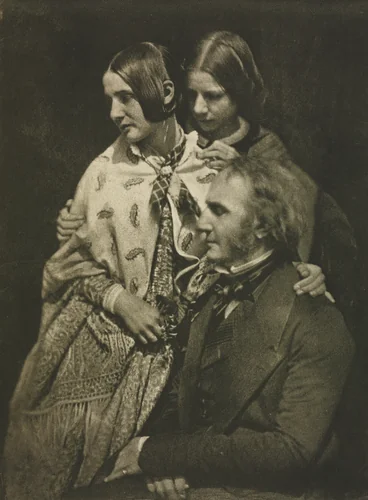
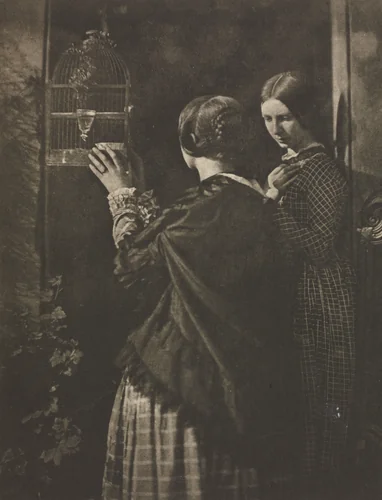
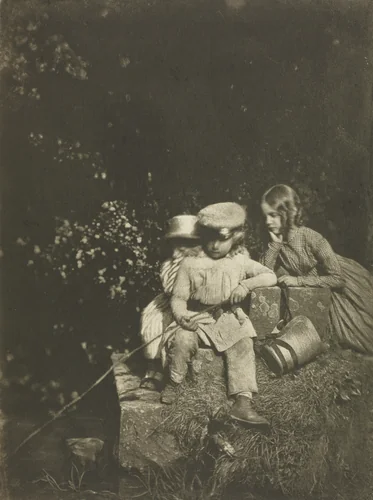
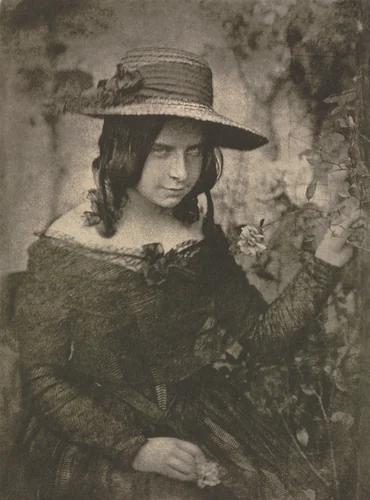
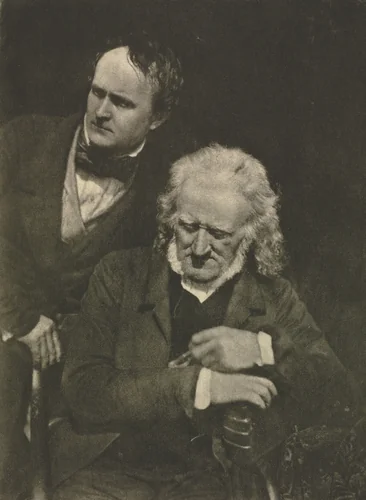
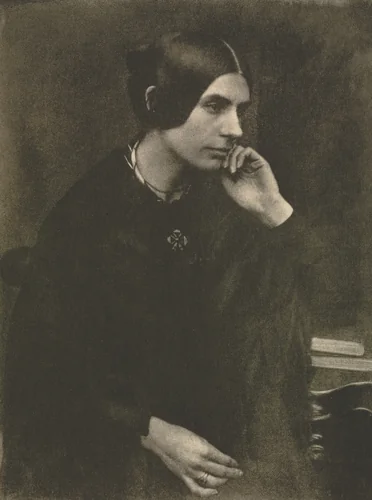
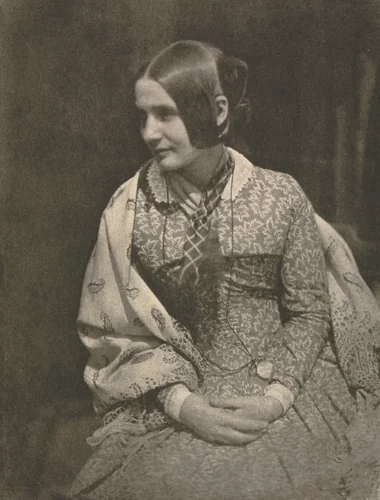
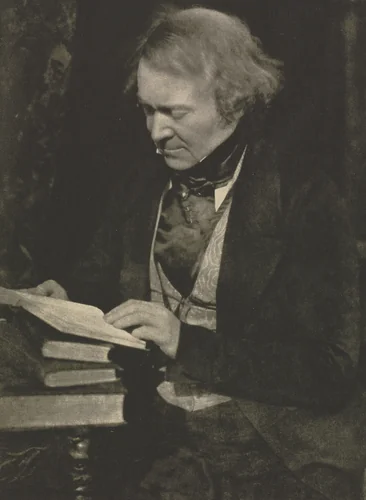
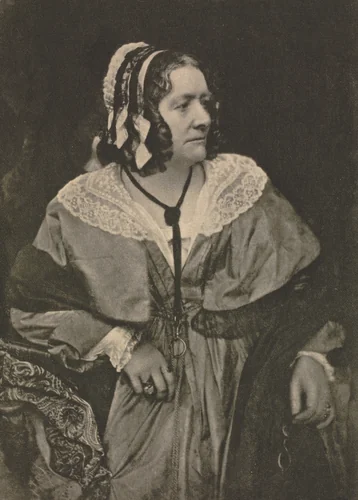
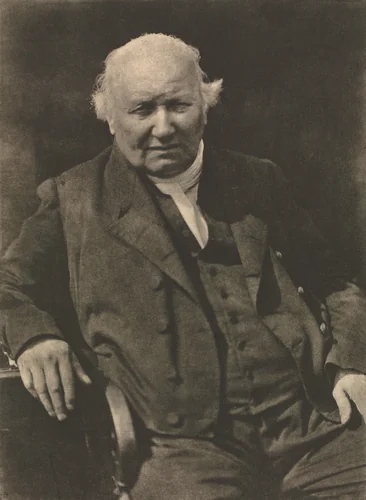
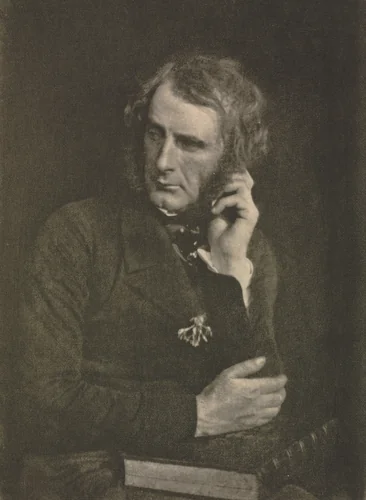
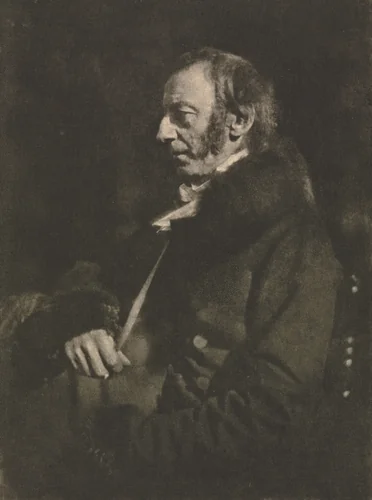
In 1843, Hill entered into a four-year partnership with the engineer and photographer Robert Adamson, forming the Hill & Adamson studio in Edinburgh. This collaboration was instrumental in pioneering the aesthetic and technical aspects of photography in Scotland. Focusing primarily on the calotype process, they produced thousands of compelling portraits and architectural studies, quickly advancing the medium beyond its earliest technical limitations. It is perhaps one of history’s great ironies that Hill, the traditional artist, was compelled to adopt the camera to complete a commission so grand it demanded the speed and realism only photography could offer: an attempt to memorialize 474 figures present at the signing of the Deed of Demission.
Their collective approach elevated the rudimentary technique of early photography into an expressive art form, distinguished by their dramatic use of shadow and light, often drawing comparisons to the compositions of the Old Masters. While the partnership dissolved after Adamson’s premature death in 1847, the resulting archive remains a benchmark for early photographic practice. The sophisticated composition evident in their scenes, such as View of a lake or river with a sailboat, demonstrates a rare artistic understanding of the medium’s capabilities just years after its invention.
Today, the enduring quality of Hill’s output, encompassing both David Octavius Hill paintings and the pioneering David Octavius Hill prints, is recognized in leading global institutions, including the Cleveland Museum of Art, the Museum of Modern Art, and the Metropolitan Museum of Art. Because of their historical significance and the date of creation, many of these images are accessible through the public domain, allowing enthusiasts access to high-quality prints for study and appreciation.
Source: Wikipedia · CC BY-SA 4.0