David Loggan
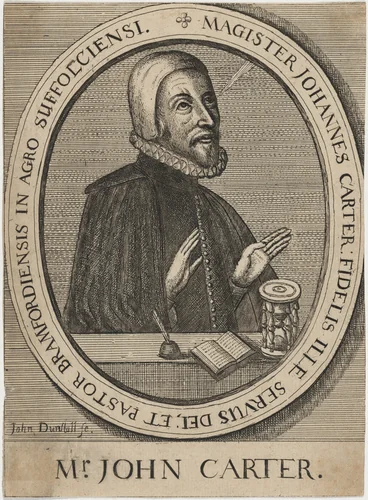
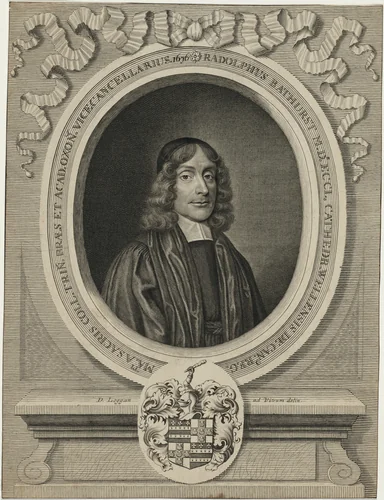
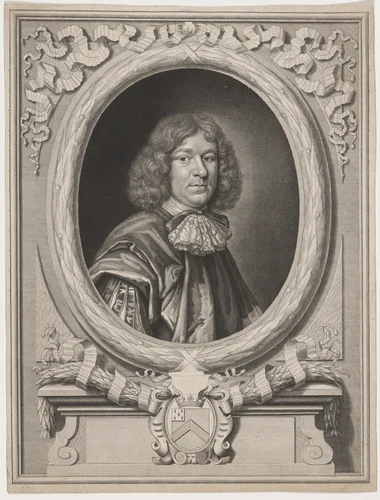
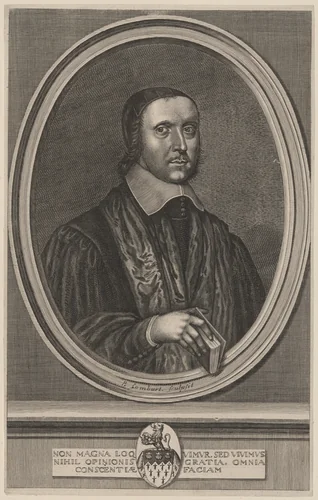
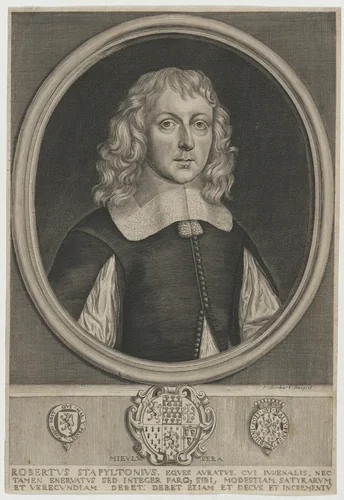
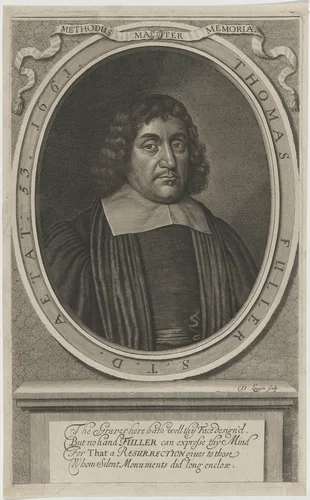
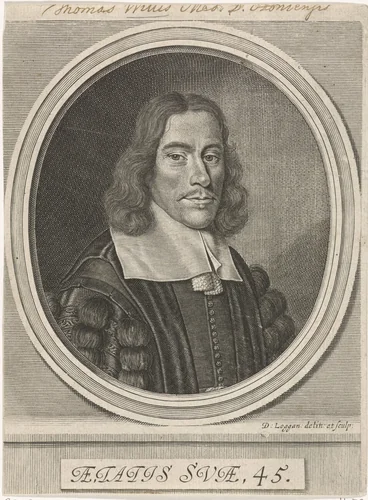
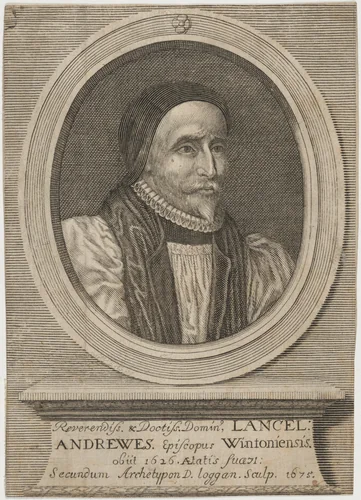
David Loggan (1634–1692) was a pivotal figure in late 17th-century English visual culture. Identified principally as a baroque engraver, draughtsman, and occasional painter, Loggan excelled in creating detailed, authoritative portraits that preserved the likenesses of Britain's most significant intellectual and political figures. He trained extensively on the Continent, particularly in the Netherlandish tradition, which informed the precise, meticulous application of line that characterized his mature style. Upon returning to England, he quickly established himself as the premier portrait engraver, serving the academic and courtly elite.
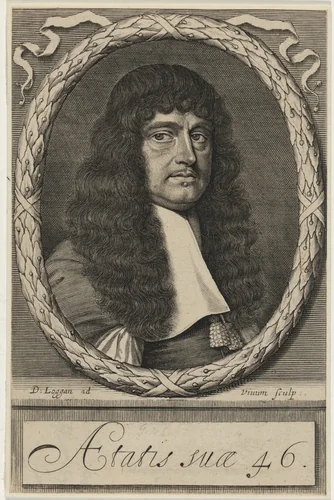
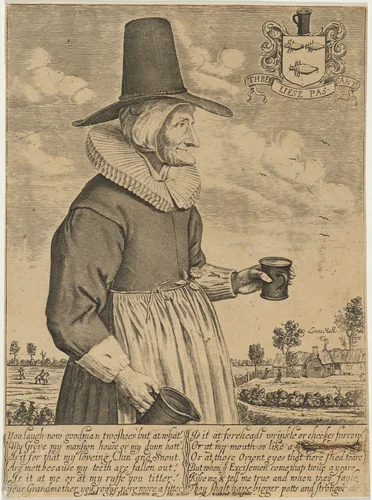
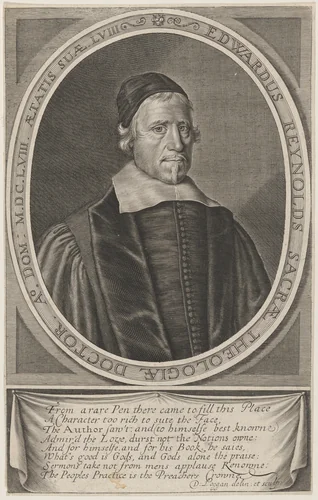
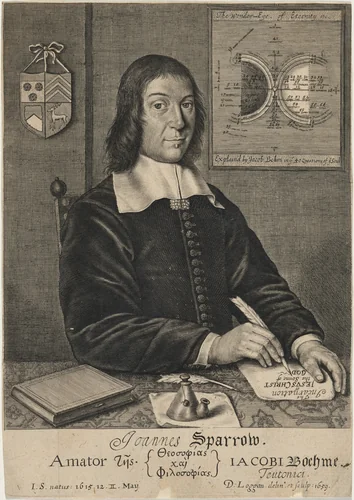
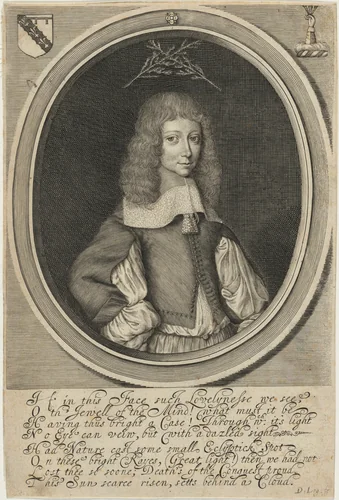
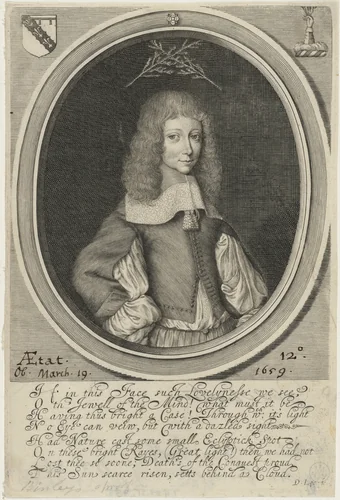
Loggan’s technical mastery of line engraving distinguished his output. He often worked from life, or from sketches he meticulously prepared, translating the sitter’s presence into durable copperplate prints. His clientele reflected the turbulent yet flourishing intellectual scene of Restoration England, documenting academics, divines, and statesmen whose influence shaped the transition from civil conflict to monarchy.
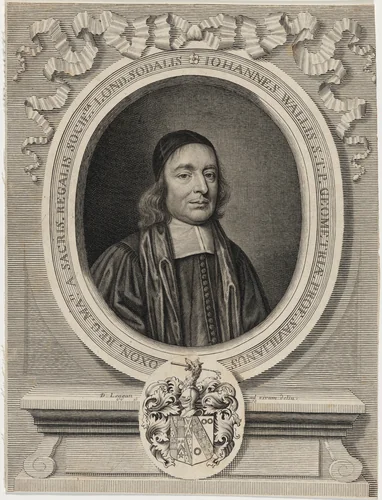
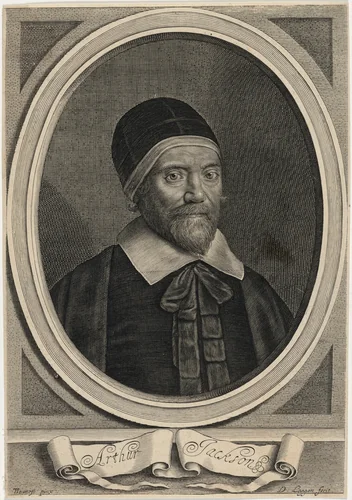
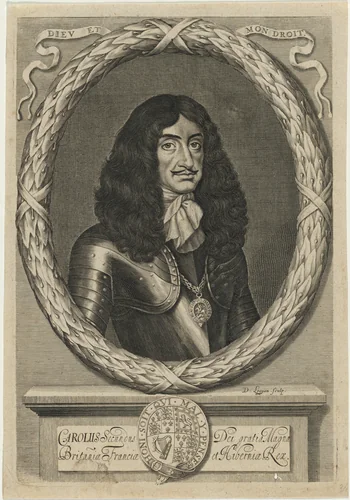
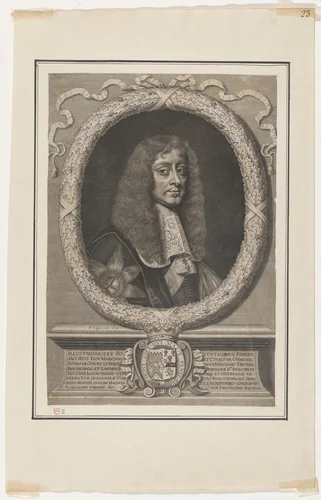
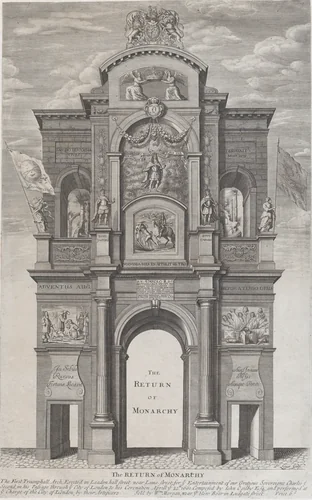
Among the celebrated figures he immortalized were the renowned mathematician John Wallis, the ejected divine Arthur Jackson, and critical court figures like Charles II and James Butler, First Duke of Ormonde. These high-quality prints served not just as artworks, but as vital documentary evidence for historians and biographers of the period. Loggan also played a significant role in documenting England’s great institutions, notably through his meticulously detailed university views and architectural plans, which remain critical primary sources for architectural historians.
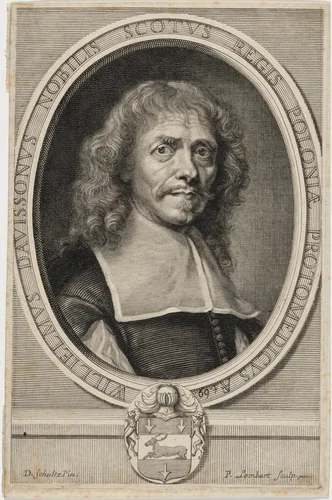
It is worth noting that Loggan seemed particularly adept at capturing figures who balanced disparate disciplines, exemplified by his rendering of Dr. William Davison, Scotch Chemist and Physician in Paris, a man whose distinguished career spanned both the laboratory and the bedside.
Loggan’s enduring reputation rests heavily upon this extensive visual catalog of the period’s elite. Because much of his work, particularly these detailed David Loggan prints, now resides in the public domain, they remain vital resources for researchers and art enthusiasts alike. Institutions like the National Gallery of Art hold significant collections, making high-quality prints derived from his originals widely accessible today as royalty-free images, ensuring that his meticulous vision continues to inform our understanding of the Restoration era.
Source: Wikipedia · CC BY-SA 4.0