Darius Kinsey
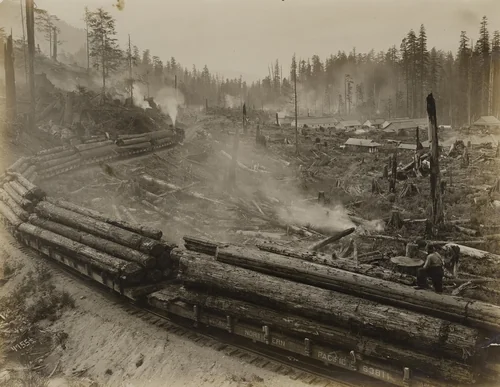
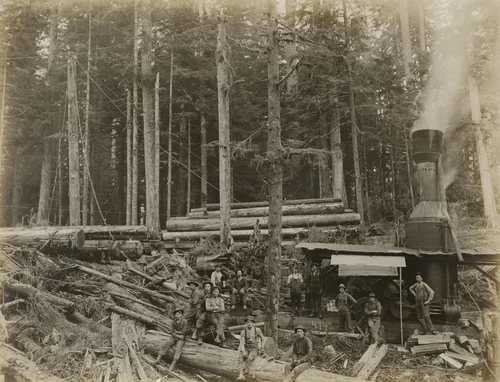
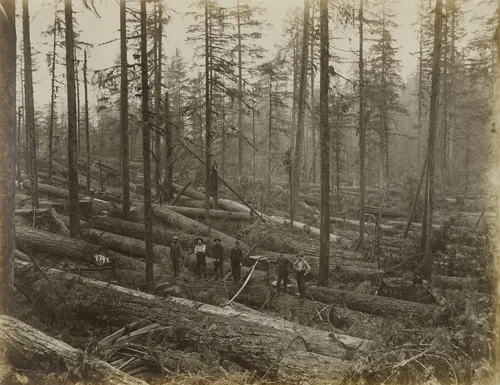
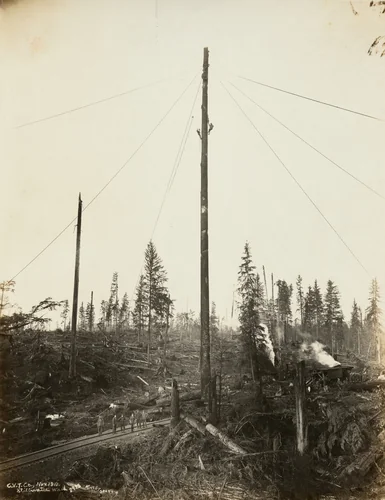
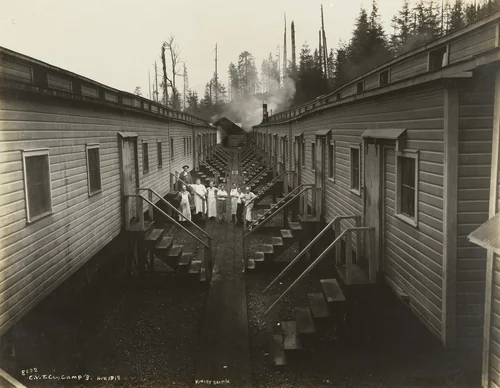
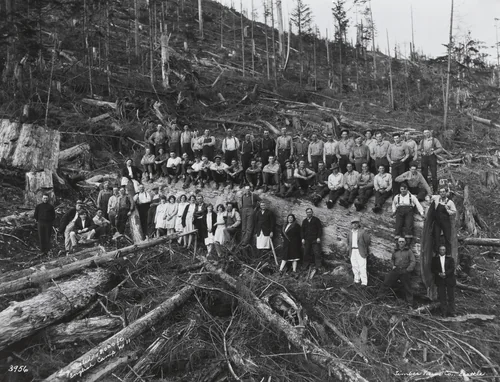
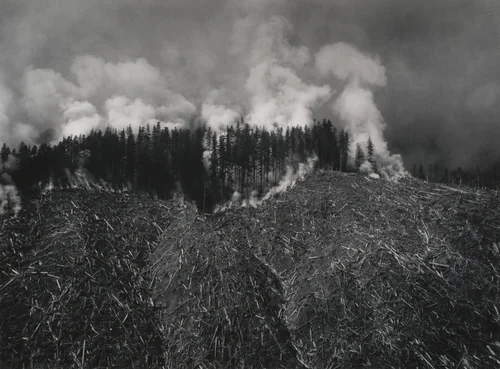
Darius Kinsey (1869–1945) is recognized as the definitive visual chronicler of the Pacific Northwest’s foundational lumber industry. Active across western Washington state for fifty years, from 1890 to 1940, Kinsey established his photographic legacy by documenting the monumental scale of early 20th-century logging operations. While he maintained a successful commercial practice encompassing studio portraits, locomotives, and scenic landscapes, his most significant contributions stem from his large-format negatives that captured the transformation of the region’s old-growth forests.
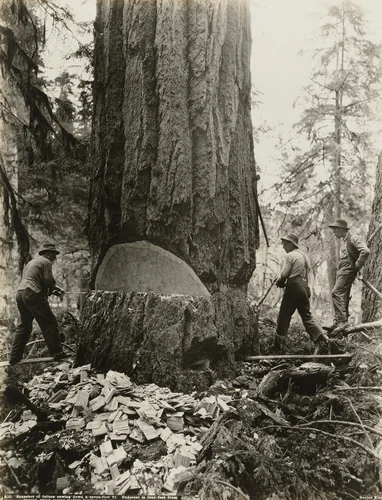
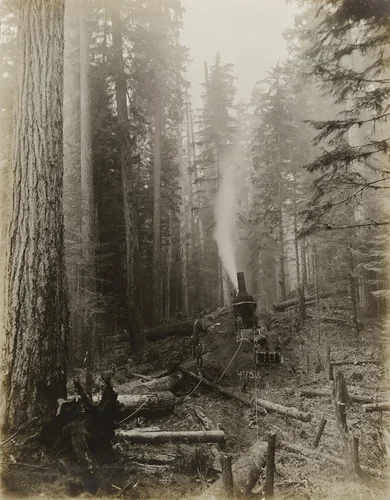
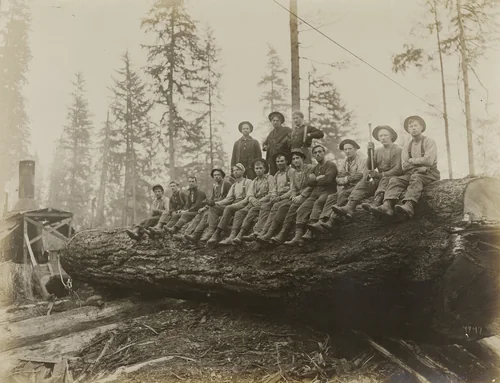
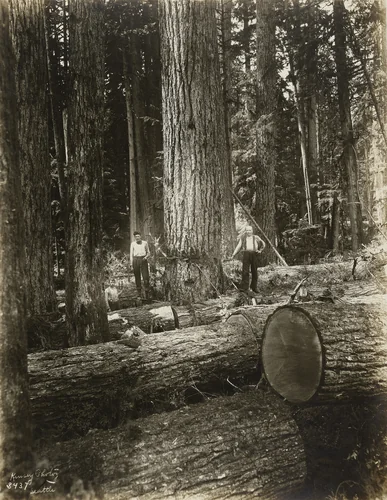
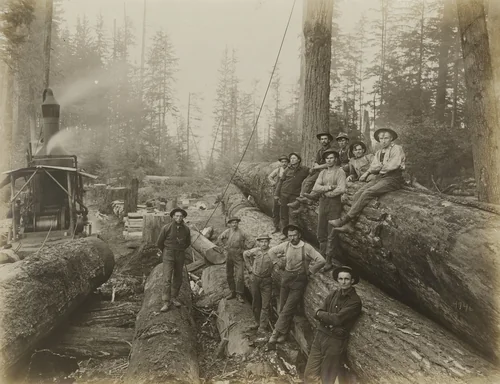
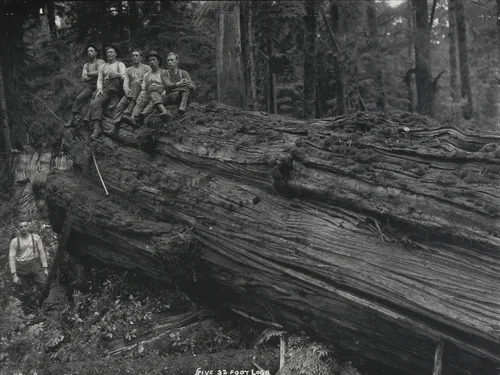
Kinsey utilized the demanding technology of large-format photography to create highly detailed, museum-quality prints. His technical proficiency allowed him to master the complex lighting of the forest floor, where he routinely photographed massive trees both standing and felled. The resulting images elevate industrial documentation to fine art, meticulously detailing the interface between human ingenuity and environmental magnitude. He possessed a particular gift for composition, using the loggers and their machinery as human scale references against the towering timber.
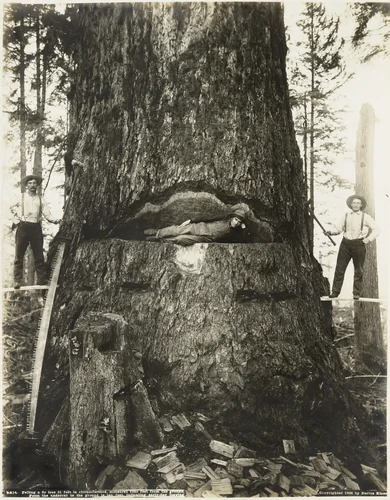
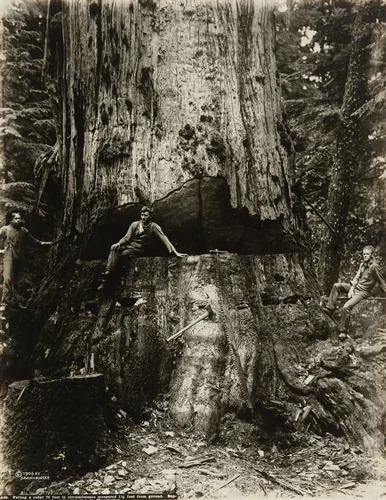
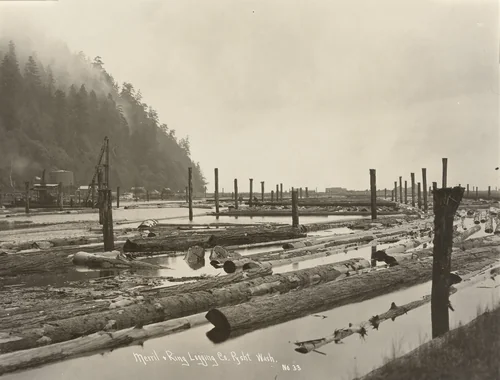
This comparative methodology is powerfully evident in works such as Felling a Fir Tree 51 Feet in Circumference, Measured Four Feet from the Ground and Felling a cedar 76 feet in circumference measured 1 1/2 feet from ground. The latter was reputed to be the largest tree ever documented in Washington state, emphasizing the epic scale of the endeavor. Kinsey’s photographs served not only as records for companies like the Merril and Ring Logging Company, Pysht, Washington, but as lasting testaments to the physical culture of the industry.
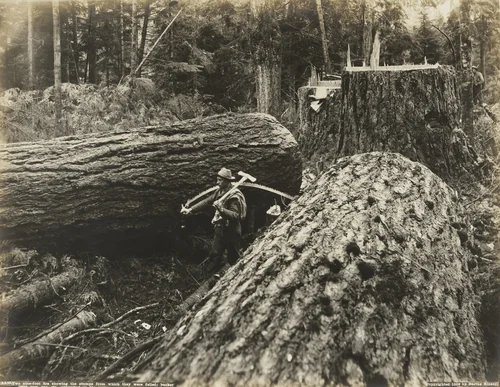
One striking characteristic of Kinsey’s work is the consistent, sometimes almost theatrical, pride of the workers who posed atop the immense, recently cut stumps, as seen in Two nine-foot firs showing the stumps from which they were felled. These images capture a fleeting historical moment before mechanized logging redefined the industry. Today, surviving negatives and original Darius Kinsey prints reside in major institutional collections, including the Museum of Modern Art and the National Gallery of Art. The historic importance and widespread accessibility of this body of work mean that many key images are now in the public domain, offering access to high-quality prints that continue to inform historical and artistic study.
Source: Wikipedia · CC BY-SA 4.0