Daniel Vierge
Daniel Urrabieta y Vierge (1851-1896) stands as a pivotal figure in 19th-century visual media. A Spanish native who relocated to France, Vierge fundamentally transformed the aesthetics and logistics of illustrated publishing. Active during a period of rapid technological change, his innovations allowed the burgeoning periodical market to achieve unprecedented visual fidelity, ensuring his works are held in prestigious collections, including the Metropolitan Museum of Art and the National Gallery of Art.
Vierge’s historical significance rests on his ability to revolutionize the reproduction of illustrations. Before his working methods became standard, illustrations often lost vitality and spontaneity when transferred from the artist’s hand to the printing plate. Vierge perfected techniques that permitted his detailed, often rapid drawings to translate directly into printable blocks, essentially eliminating the intermediate engraving steps that typically diluted the immediacy of the original artistic conception. This combination of speed, fidelity, and technical mastery established a new benchmark for museum-quality illustration, greatly influencing subsequent generations of graphic artists.
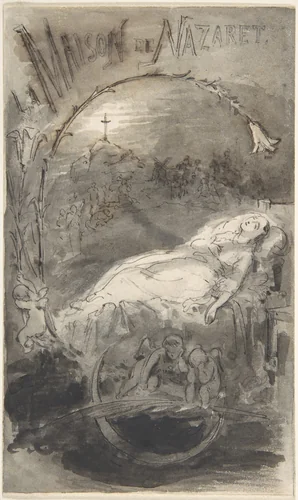
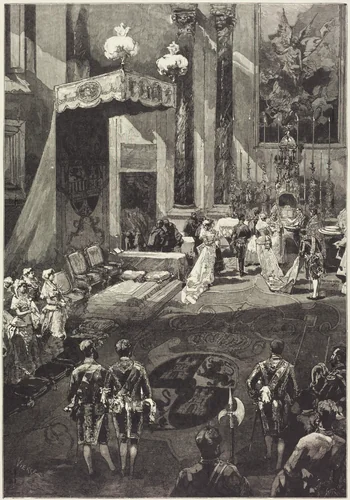
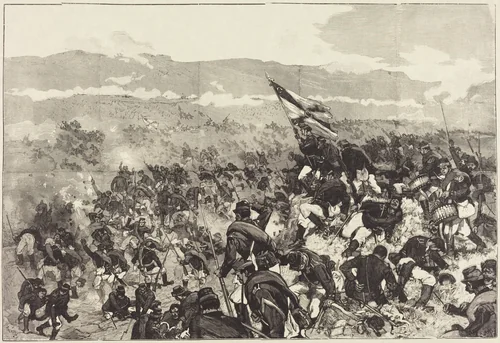
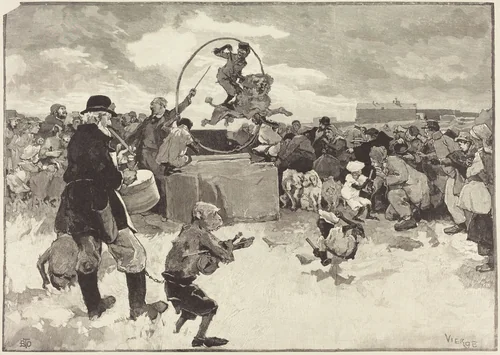
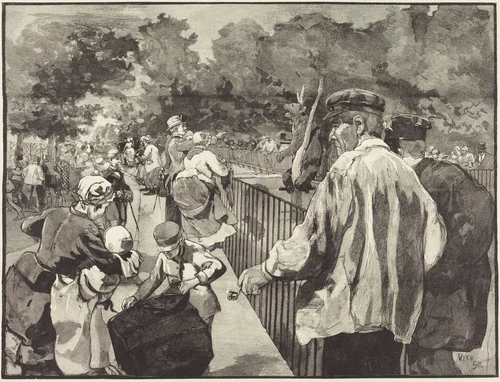
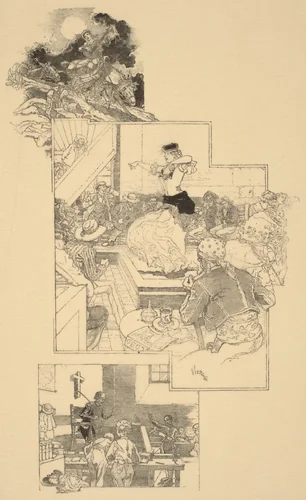
Vierge’s subject matter was notably varied, capturing both the immediate and the intimate. He documented major military actions, exemplified by the intense detail found in Bataille de Plevna. Le 30 Juillet, Attaque des Hauteurs..., alongside quieter genre scenes such as Maison de Nazaret and the charming observation of domestic life in La Naissance d'une Enfante. It is perhaps a minor irony that the artist who championed the mechanical reproduction of art possessed such a nimble and sensitive line in his original drawings. His keen eye extended beyond human affairs, resulting in lighter studies like Les Chiens savants and Au Jardin des Plantes.
Though Vierge was primarily known for his prints and illustrative work, the meticulous quality of his original drawings and Daniel Vierge prints ensures his ongoing relevance to the history of graphic arts. Today, due to the natural expiration of copyright restrictions, a significant portion of his oeuvre is preserved in the public domain. This accessibility allows enthusiasts and institutions worldwide to acquire high-quality prints of his influential production, securing his legacy as the masterful draftsman who streamlined the visual world of late 19th-century print culture.
Source: Wikipedia · CC BY-SA 4.0