Daniel Fletcher
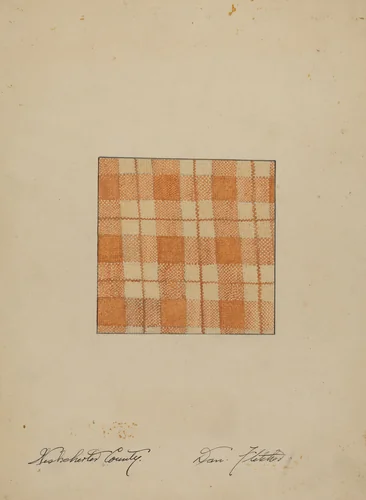
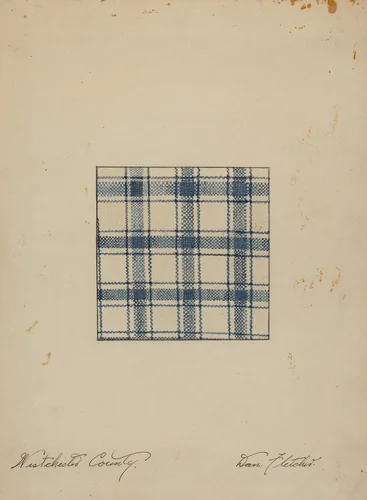
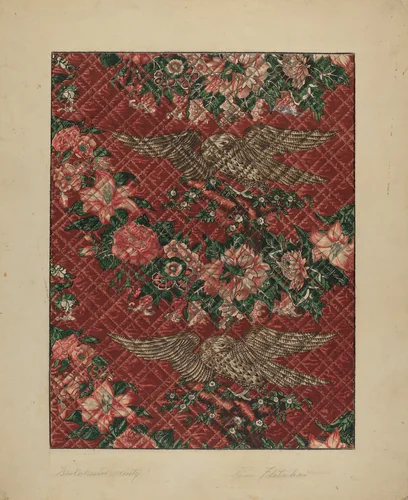
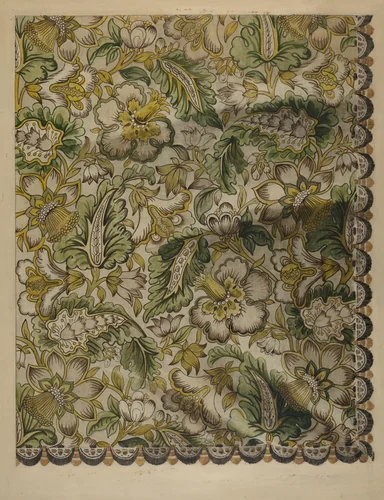
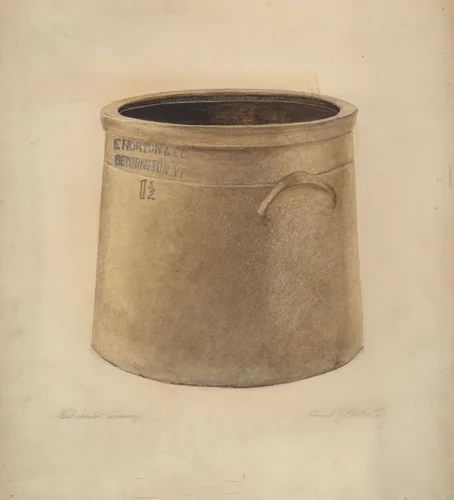
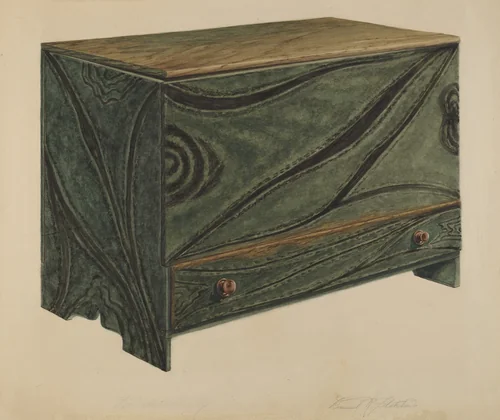
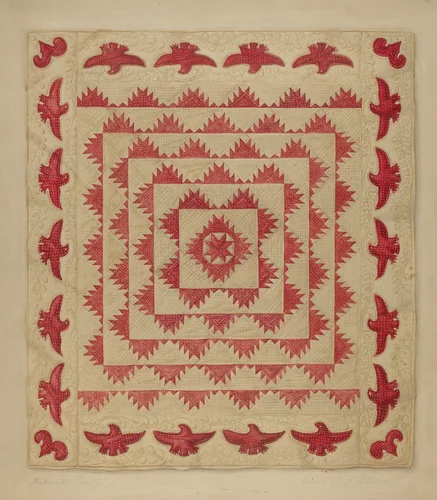
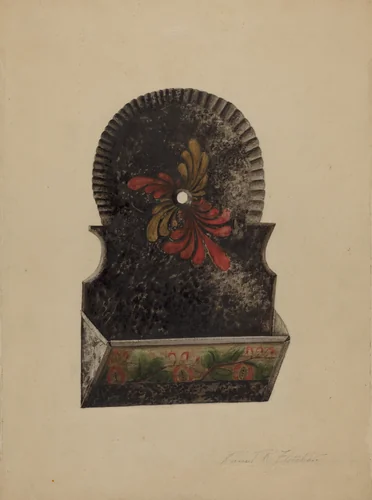
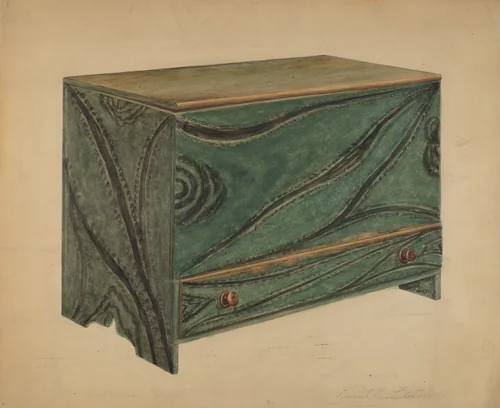
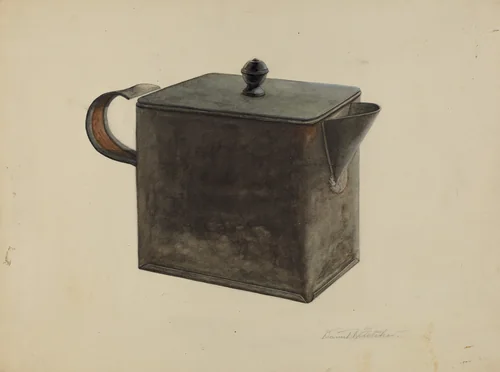
Daniel Fletcher (Active 1935-1939) is recognized for his essential, systematic documentation of American decorative arts executed under the auspices of the Index of American Design. This federal initiative, established during the Great Depression, sought to create a comprehensive visual record of domestic material culture from the Colonial period through the nineteenth century. Fletcher’s specialization within the index centered almost exclusively on textiles and ceramics, resulting in fourteen meticulously rendered plates now preserved within the collection of the National Gallery of Art.
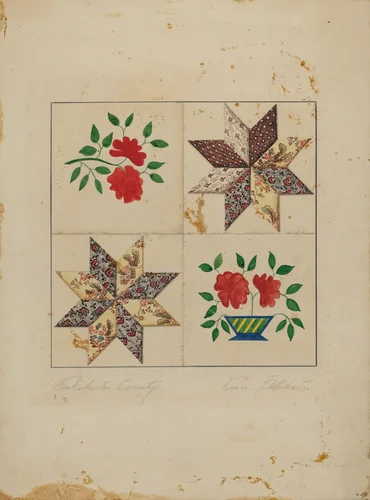
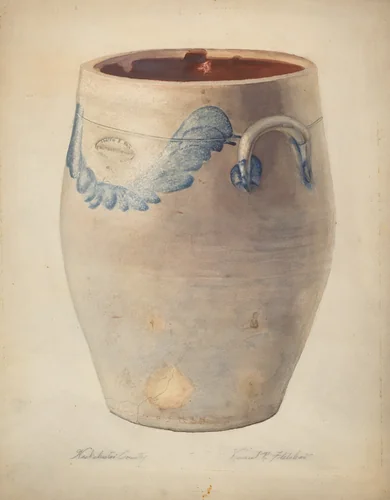
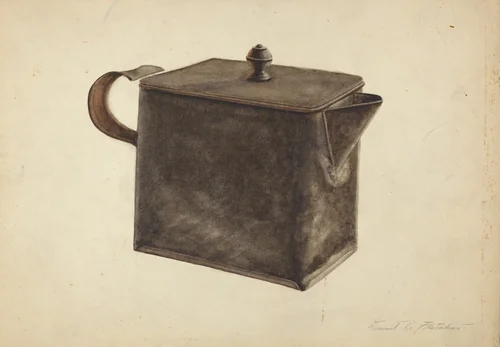
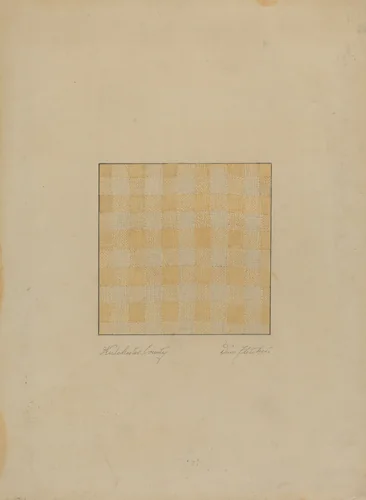
Fletcher’s contribution was characterized by an exacting technical precision, eschewing purely aesthetic interpretation in favor of comprehensive visual accuracy. His studies, designed to serve as definitive records, captured the structural nuance of often-fragile objects. Examples such as the Patchwork Quilt, the Piece of Linen, and the Hand Woven Linen demonstrate a profound commitment to texture and stitching detail, ensuring the historical context of craftsmanship was not lost. Similarly, his work documenting utilitarian objects, including the Stoneware Jug and the Teapot, provides vital insight into early American domestic manufacturing and design utility.
Operating between 1935 and 1939, Fletcher’s output defines a particularly rigorous phase of the Index project, focused on functionalist documentation. The resulting watercolor and gouache illustrations are considered museum-quality records, invaluable for researchers and curators studying period authenticity. The utility of these works endures; the records established by Fletcher and his colleagues ensure that future generations have access to high-quality prints and detailed visual reference material, keeping the history of these everyday objects vibrant.
A curious biographical anomaly, often mentioned only in passing, notes that Fletcher later pursued an entirely separate and brief professional engagement in Australian competitive sport in 1994. Recruited with the 61st selection to a prominent club, this later, high-impact physical career stood in sharp contrast to the quiet, disciplined draughtsmanship required for his Index contributions. Yet, the same focused precision necessary to document a complex textile pattern or ceramic form undoubtedly informed the discipline required for that later endeavor. Today, the legacy of Daniel Fletcher prints lies in their indispensable role in the ongoing study of American heritage, available widely as downloadable artwork.
Source: Wikipedia · CC BY-SA 4.0