Dana Bartlett
Dana Webster Bartlett (1860-1942) occupies a distinctive place in American cultural history, known primarily for his work as a Congregationalist minister and an early, influential proponent of the City Beautiful movement. Yet, it is his focused contribution to the Federal Art Project’s monumental Index of American Design (IAD) between 1935 and 1936 that cemented his legacy within the realm of American material culture documentation.
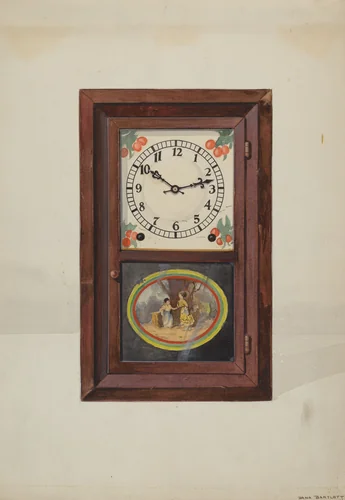
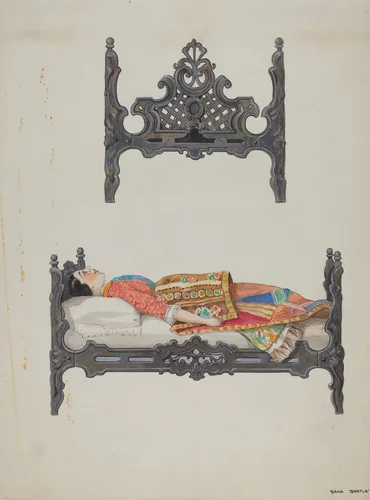
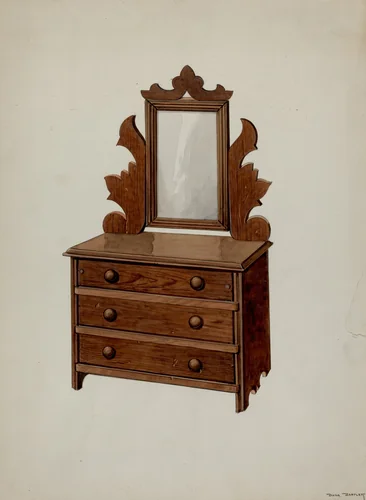
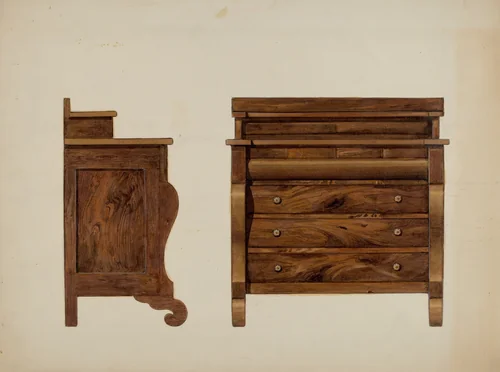
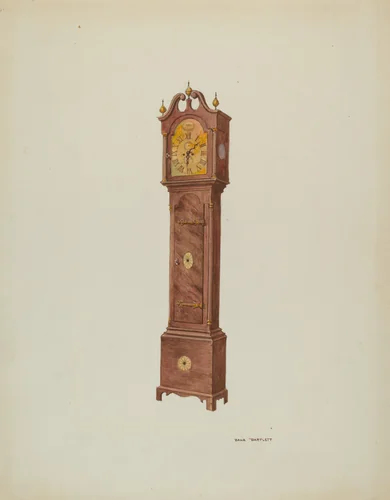
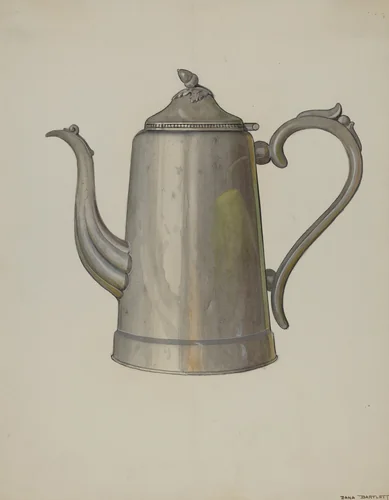
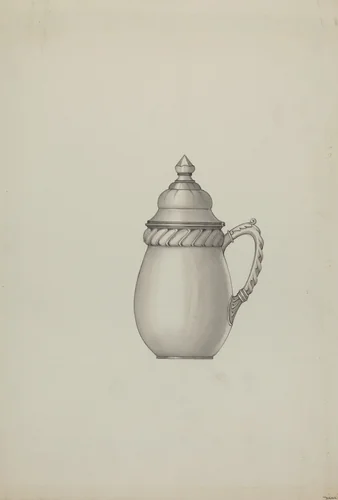
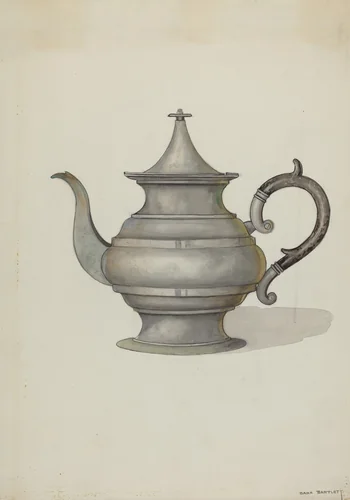
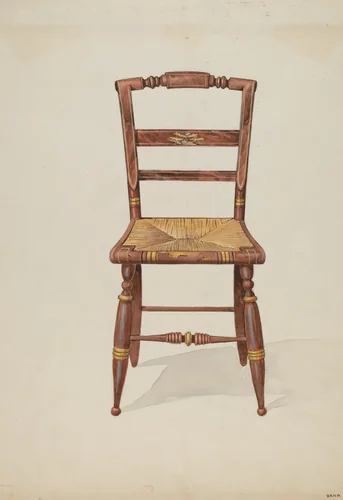
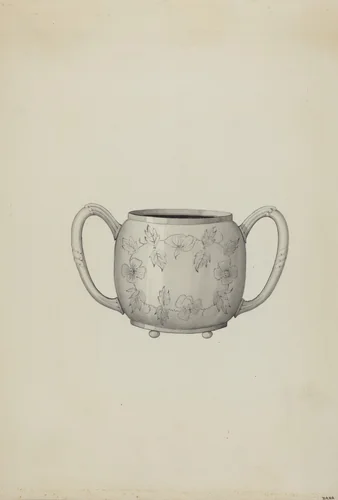
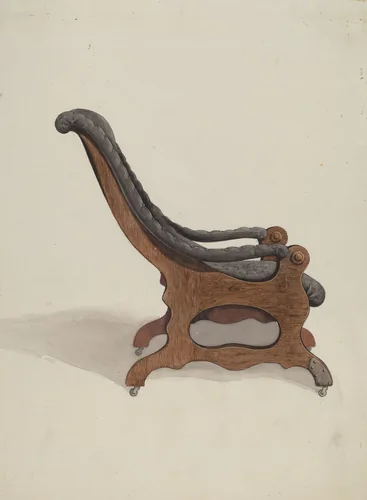
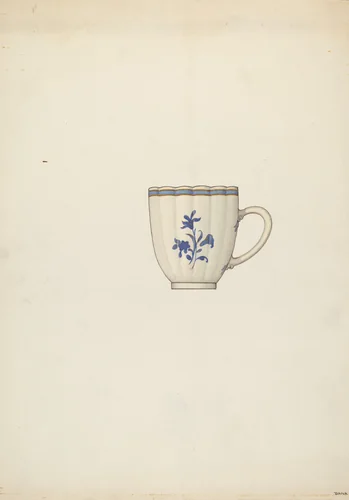
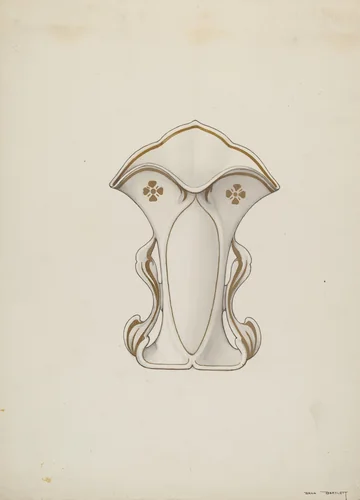
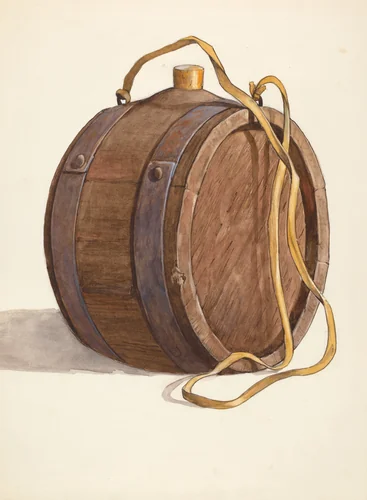
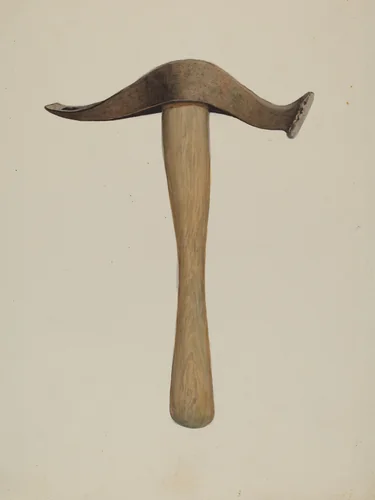
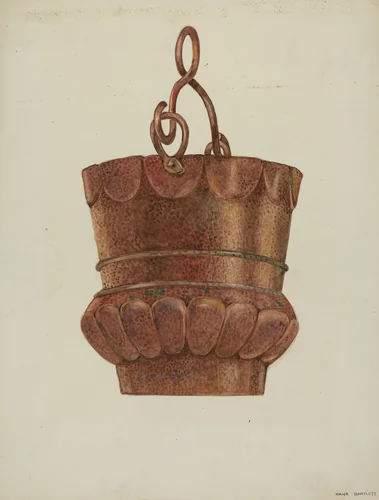
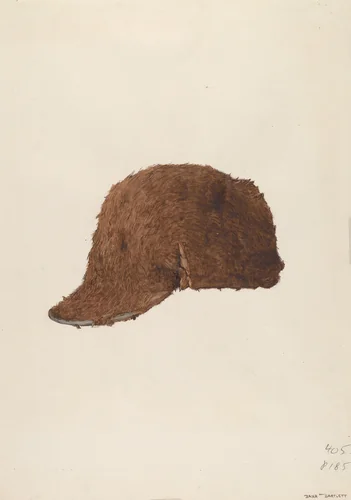
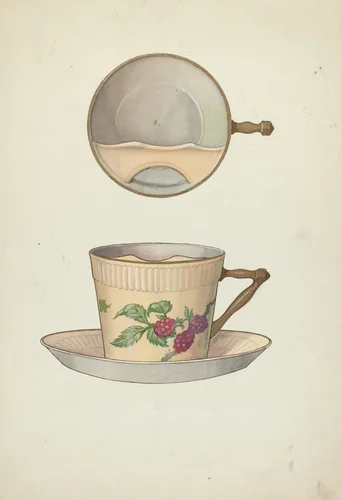
During this brief, active period, Bartlett served as a vital field investigator and renderer for the IAD, an ambitious New Deal initiative aimed at creating a visual compendium of early American decorative and folk arts. This project sought to document thousands of artifacts before they were lost or damaged, ensuring a lasting record of the nation's often-overlooked design heritage. Bartlett's expertise lay in the meticulous, accurate recording of ephemeral objects and functional crafts, providing detailed drawings that captured not only the physical form but also the texture and historical context of items ranging from utilitarian furniture to intricate metalwork.
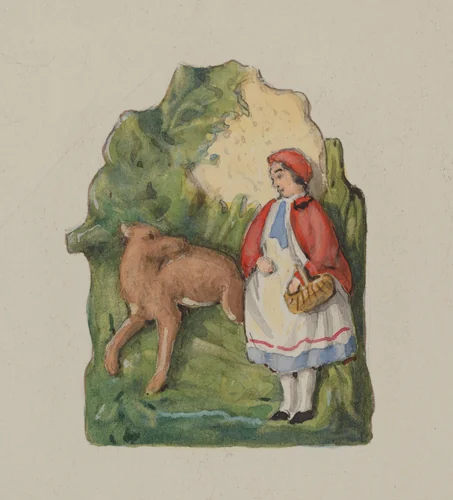
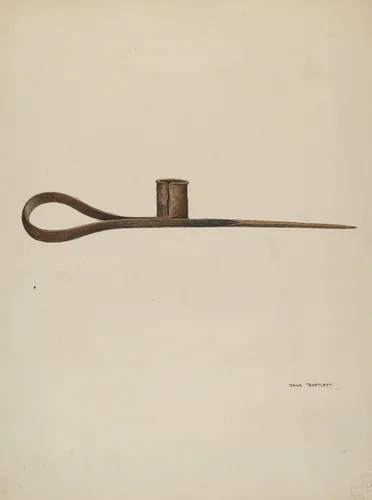
The documentation produced under his supervision—including studies of objects such as the colonial Bench, various forms of tinware like the Cut Tin Candle Holder, and regional examples of the Rattle—represents critical source material for historians and collectors alike. These detailed typological surveys elevated functional craft to the status of museum-quality artifacts, making otherwise rare historical items accessible to a national audience. The IAD drawings, now housed in the collections of the National Gallery of Art, have become foundational references, enabling scholars to analyze regional styles and shifts in American craftsmanship.
It is perhaps a fitting irony that a figure dedicated to shaping the future of the American cityscape through social reform and the City Beautiful movement also dedicated intensive labor to meticulously preserving the visual remnants of the nation’s past. Bartlett’s work ensured the enduring memory of these objects. Today, much of the documentation he produced is available in the public domain, offering researchers and the public free art prints and high-quality prints for study, continuing his commitment to broad accessibility and civic betterment long after his active years.