Czech Republic
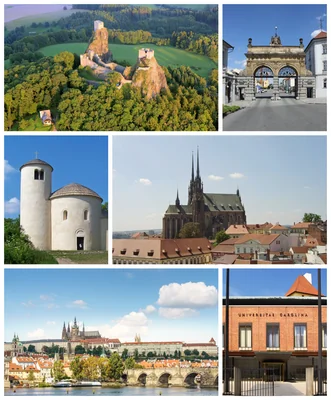
The artistic output historically associated with the Czech Republic, known also as Czechia and traditionally as Bohemia, holds a distinct and influential position within the canon of Central European decorative and applied arts. Situated as a geographic nexus, bordered by Austria to the south, Germany to the west, Poland to the northeast, and Slovakia to the southeast, the nation’s landlocked position ensured its role as a pivotal cultural crossroads. This geographic reality, coupled with a diverse hilly landscape spanning 78,871 square kilometers, profoundly informed the indigenous textile traditions, especially those documented around the turn of the nineteenth century.
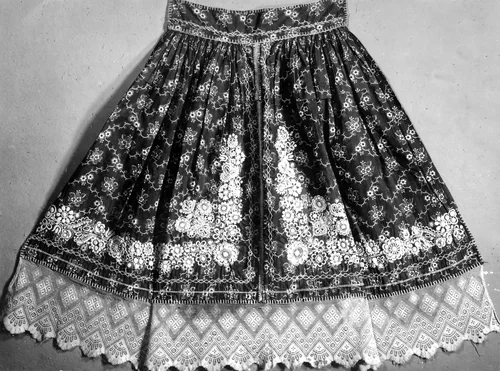
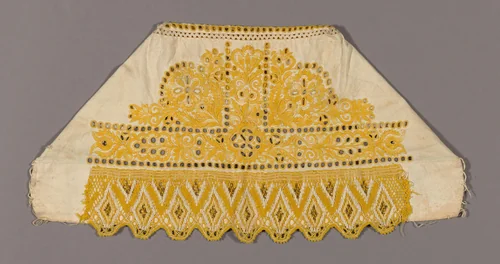
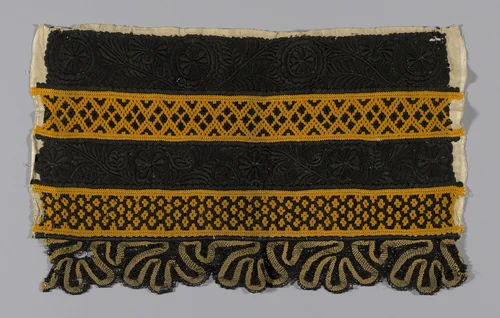
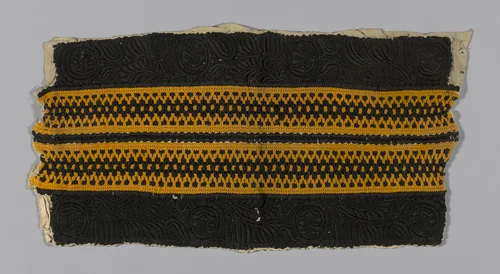
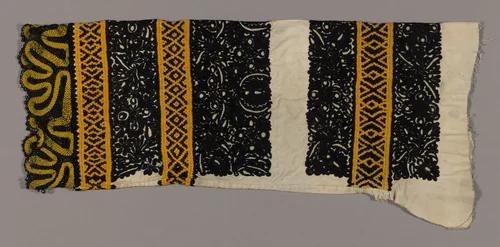
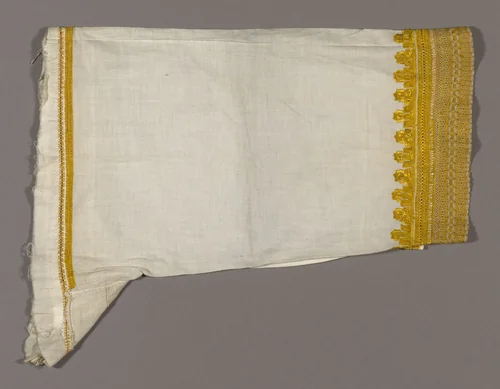
The surviving corpus, though limited in number, documents a refined approach to functional artistry. Dating precisely to 1801, a specific collection of six textile items attests to the meticulous craftsmanship prevalent in regional dress. These well-preserved remnants, which include a detailed Apron, a formal Cap, and three distinct Sleeve components, are highly valued examples of early 19th-century folk design. The materials and construction required to endure the mostly temperate continental and oceanic climate of the region—which encompasses major cities like Prague, Brno, Ostrava, and Plzeň—accidentally rendered these functional items into highly durable aesthetic objects.
The placement of these works in major international repositories, such as the distinguished permanent collections of the Art Institute of Chicago, confirms their enduring museum-quality aesthetic and historical significance. These pieces are crucial for understanding the historical development of textiles that preceded the emergence of modern Czech Republic prints and graphic design. It is perhaps a telling cultural characteristic that such sophisticated, often heavily embroidered artistry was routinely applied to items of necessary daily function, suggesting an environment where the boundary between utility and fine art was perpetually blurred.
Though the specific identities of the 1801 artisans may be lost to history, the objects themselves offer exceptional insight into early modern European folk design. Today, thanks to efforts in digital preservation, detailed photographic studies and high-quality prints of these original works allow contemporary scholars and enthusiasts continuous access to the foundational elements of Czech decorative tradition.
Source: Wikipedia · CC BY-SA 4.0