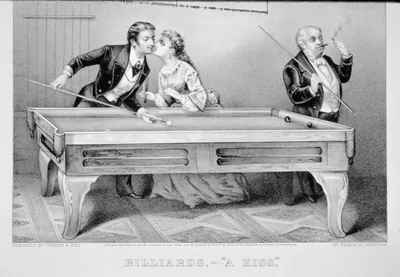
Currier & Ives
The firm Currier & Ives, a foundational enterprise in nineteenth-century American visual culture, operated continuously in New York City from 1835 to 1907. Initially established solely by Nathaniel Currier, the company pioneered the democratization of art through the mass production of hand-painted lithographs. This innovative commercial model positioned the firm not merely as a printing house, but as a crucial distributor of affordable visual narratives to a burgeoning national audience.
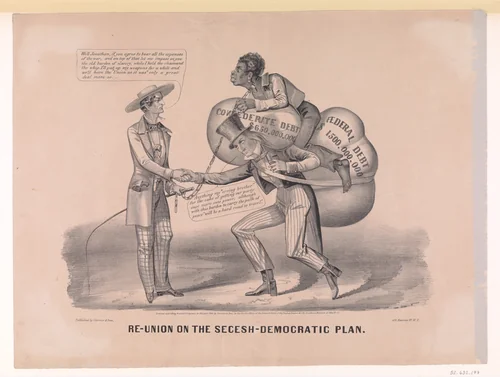
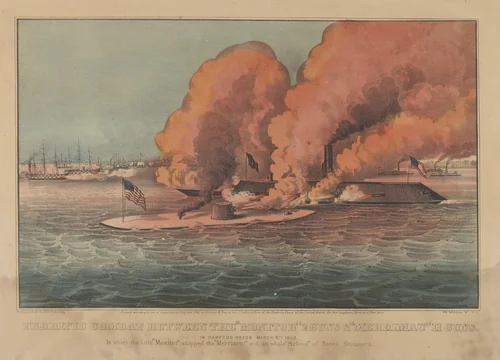
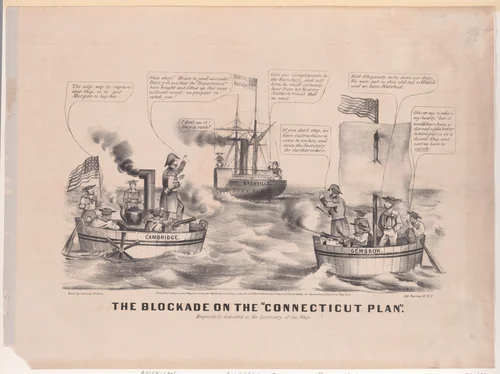
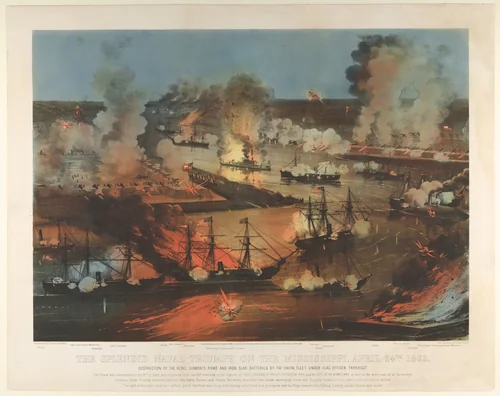
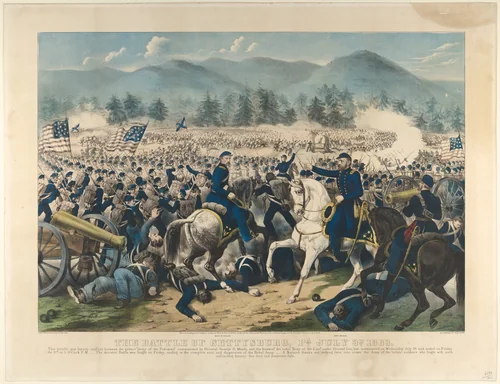
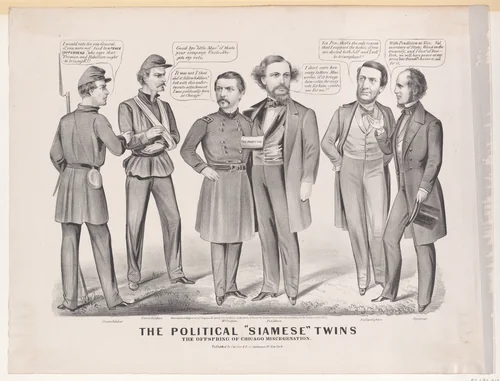
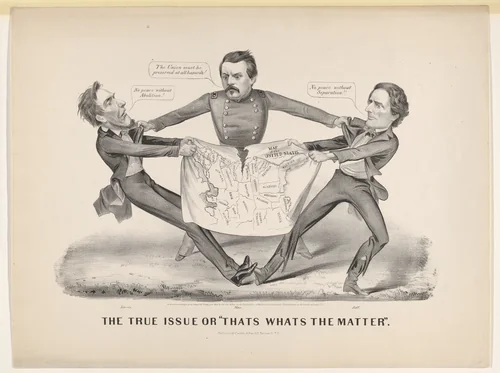
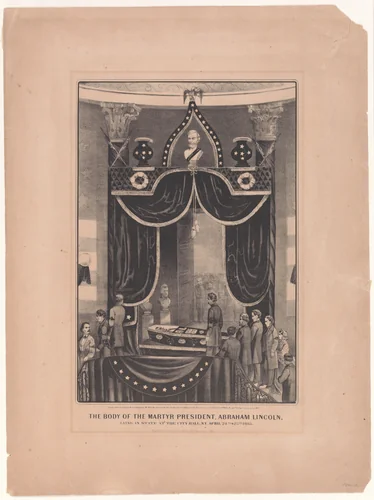
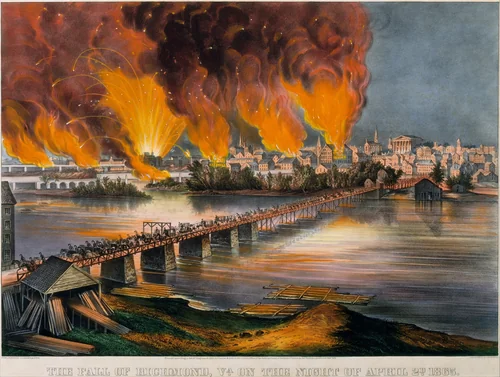
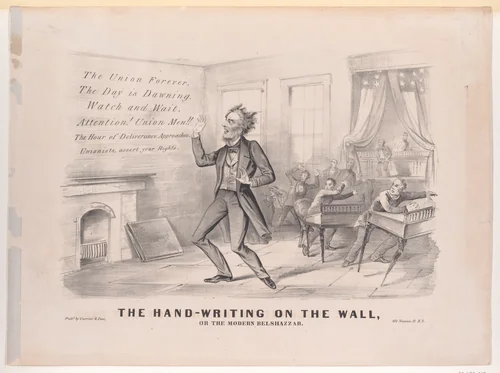
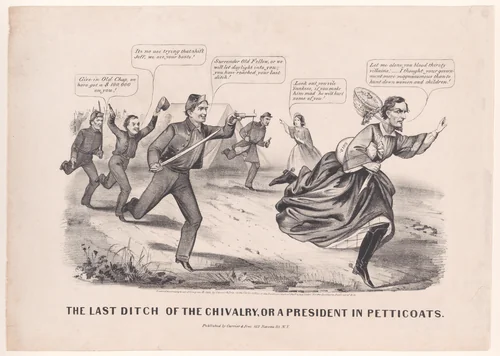
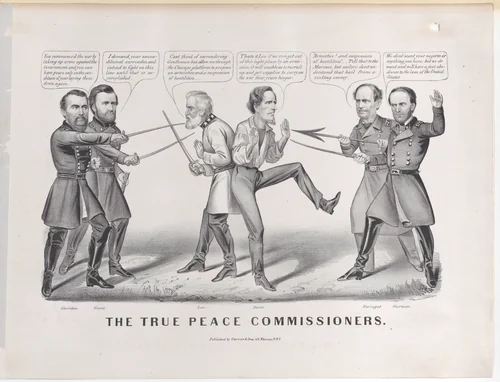
Currier specialized in translating immediate news events, scenic views, and popular cultural motifs into tangible, inexpensive works. The process involved rapidly produced lithographs which were subsequently colored by teams of artisans, allowing for quick turnaround and high volume. This efficient production method meant the firm could deliver subjects ranging from sentimental domesticity, such as Kind, Kind and Gentle is She, to important infrastructure views like New York Ferry Boat. Recognizing the broad, immediate appetite for these images, Currier boldly advertised the operation as "the Grand Central Depot for Cheap and Popular Prints."
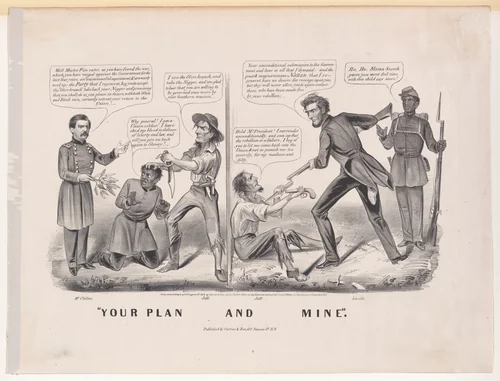
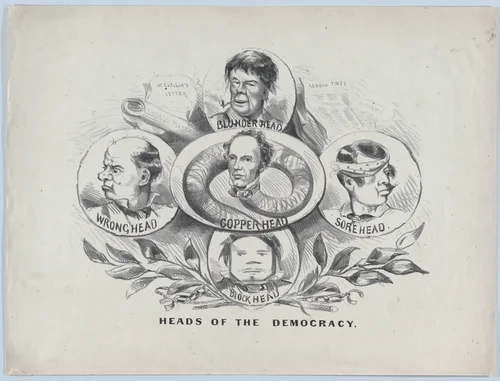
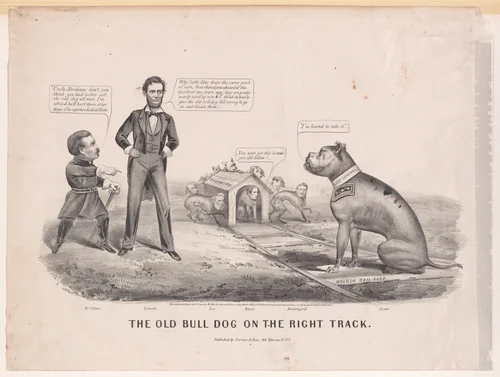
The business formalized its enduring identity in 1857 with the inclusion of James Merritt Ives, who had previously served as the firm’s bookkeeper and art manager. Under the joint banner of Currier & Ives, the firm cemented its role in documenting the evolving identity of the young nation, effectively creating a visual record accessible across virtually all economic strata. These high-quality prints offered Americans a view of life, history, and landscapes they might otherwise never encounter.
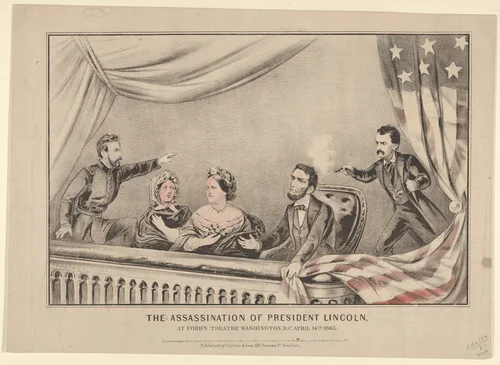
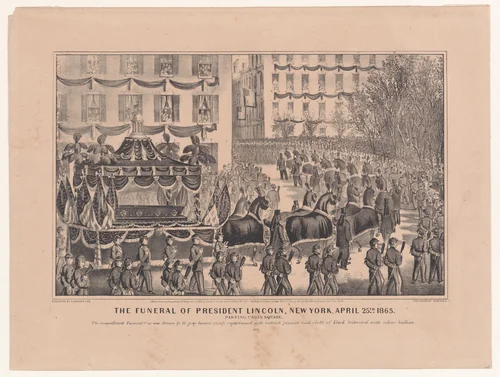
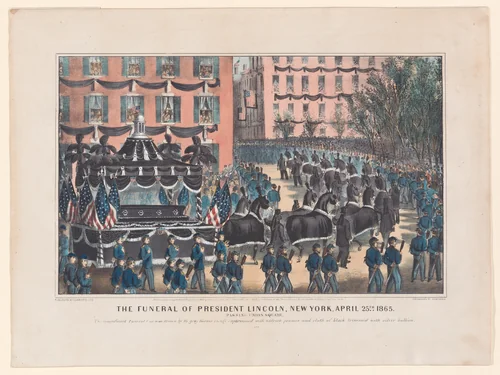
The immense cultural output of the firm remains a crucial resource for understanding the American psyche during the mid-to-late nineteenth century. Their prolific catalogue includes over 7,500 distinct images, many of which now reside in major institutional collections, including the Metropolitan Museum of Art and the Art Institute of Chicago. The widespread dissemination and age of these works means that a significant portion of their oeuvre is now considered within the public domain, granting contemporary audiences broad access to downloadable artwork. Perhaps the most interesting element of the firm’s long success was its reliance on speed; Currier & Ives often functioned as the nineteenth-century equivalent of a visual wire service, ensuring that representations of major events were published mere days after they occurred.
Source: Wikipedia · CC BY-SA 4.0