Cristoforo Roncalli
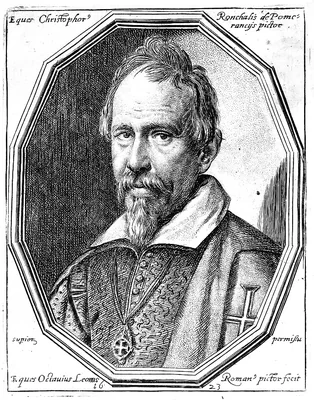
Cristoforo Roncalli (1552-1603) stands as a significant figure in the transition between sophisticated late Mannerism and the emerging drama of the early Roman Baroque. Active across the later decades of the sixteenth century, he contributed substantially to the artistic renovation of Rome under the patronage of successive popes and cardinals. Roncalli is perhaps most famously, and confusingly, known by the nickname Il Pomarancio, an appellation he shared with at least two other contemporary painters. This shared moniker, derived from the Tuscan town of Pomarance, suggests a strong regional identity and connection rather than any direct collaboration between the unrelated masters.
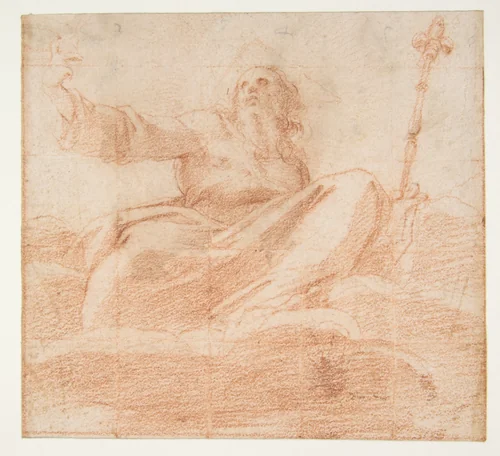
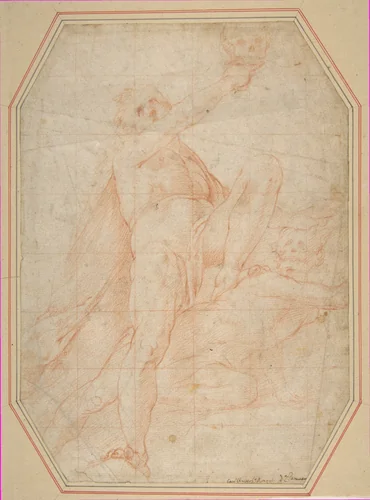
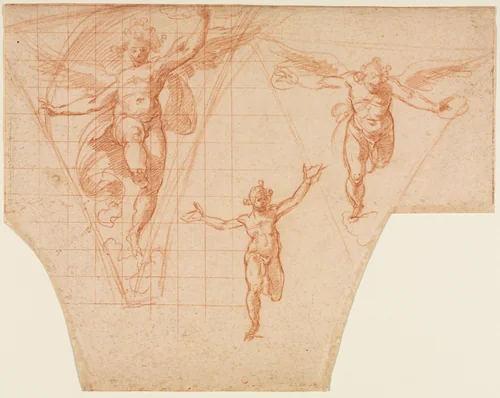
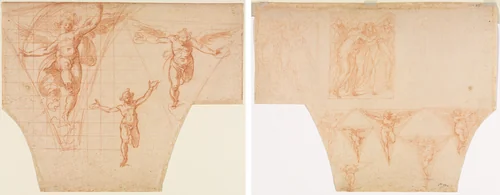
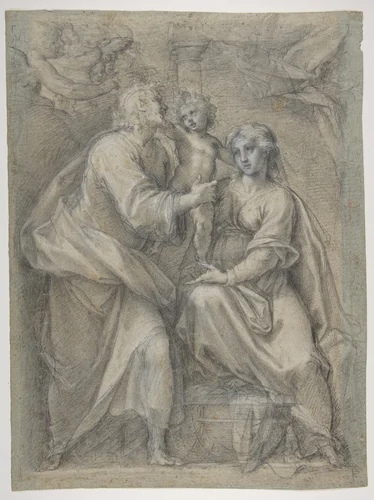
Roncalli’s prolific output extended beyond traditional religious frescoes to encompass architectural design and elaborate preparatory studies, many of which are now preserved in major American institutions, including the Art Institute of Chicago and the Metropolitan Museum of Art. While records of Cristoforo Roncalli paintings define his public career, his mastery of draftsmanship is most immediately apparent in surviving drawings. These works often delineate complex spatial relationships and figure dynamics, illustrating his transition from High Renaissance ideals toward greater expressive clarity demanded by the Counter-Reformation era.
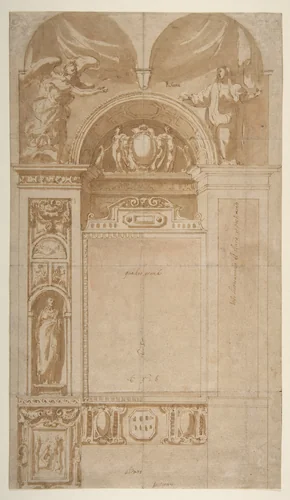
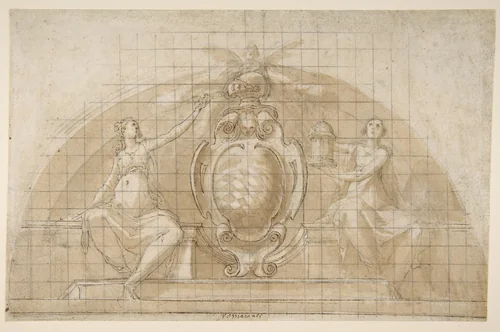
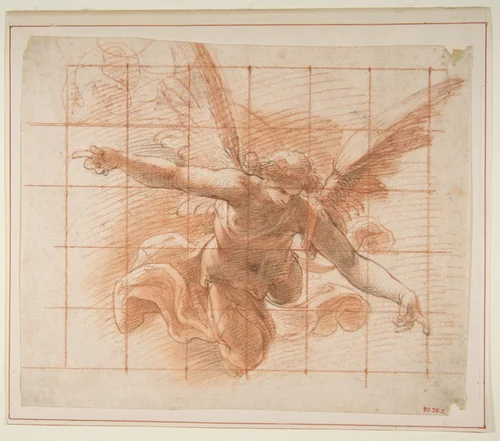
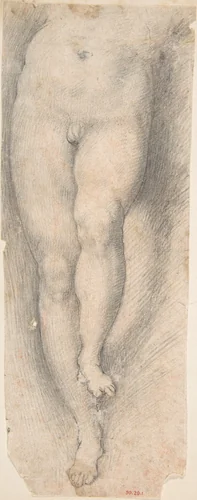
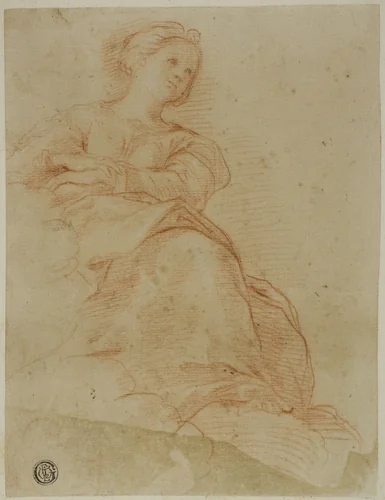
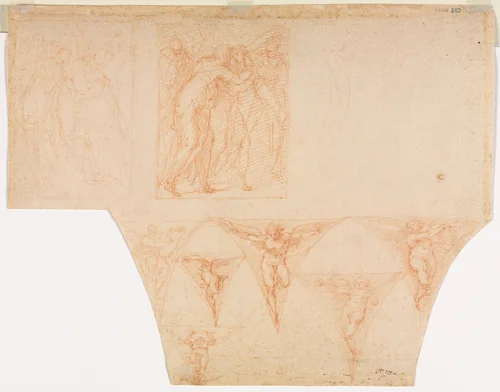
His preparatory work reveals an artist deeply engaged with formal problem-solving. Studies such as Design for a Reredos or Frame and Setting for an Altar Painting and Design for a Lunette Decoration: Coat of Arms Flanked by Seated Allegorical Figures demonstrate his facility in translating monumental decorative ideas onto paper. Even small, focused studies, like the dynamic Flying Angel or the structural rigor of Study for Lower Part of Torso and Legs of a Young Boy, highlight the anatomical precision underpinning his grander compositions.
Roncalli’s longevity and consistent production established him as a key influence on the generation that would define the seventeenth century. The fact that three prominent artists shared the same odd nickname, Il Pomarancio, is perhaps the most quintessentially Italian art historical quirk of the period, hinting at the regional pride and convoluted naming conventions of the late Renaissance. Given the widespread interest in his foundational work, many of his sketches and designs are now categorized within the public domain. This accessibility ensures that high-quality prints and other resources derived from his preparatory studies continue to circulate widely, reinforcing his status as a museum-quality master of late Mannerist visual culture.
Source: Wikipedia · CC BY-SA 4.0