Cristofano Robetta
Cristofano Robetta, active primarily between 1462 and 1510, holds a distinct place in the history of early Italian Renaissance printmaking. While originating in the traditional Florentine disciplines of goldsmith and artist, it is through his meticulous skill as an engraver that his legacy is cemented, placing his work within the permanent collections of institutions like the National Gallery of Art and the Art Institute of Chicago.
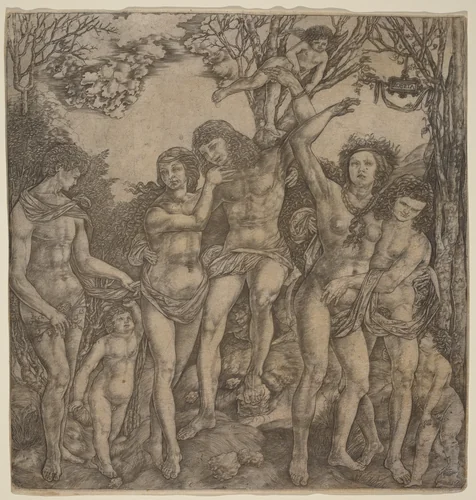
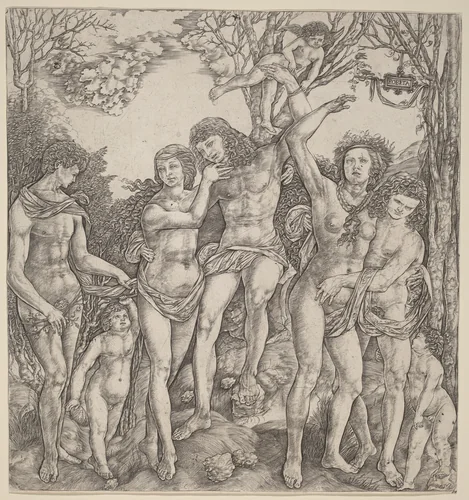
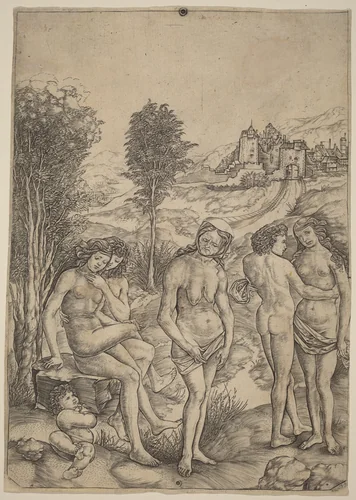
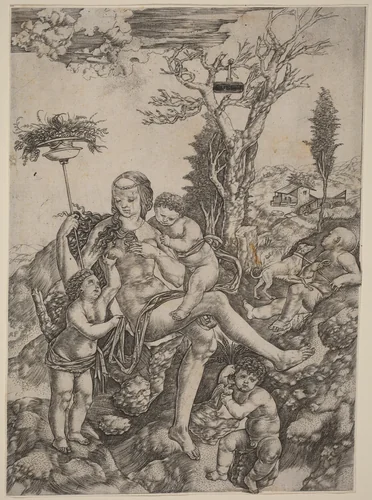
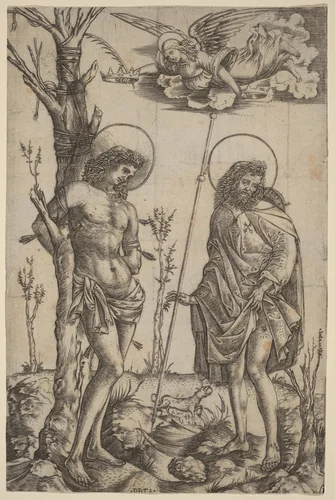
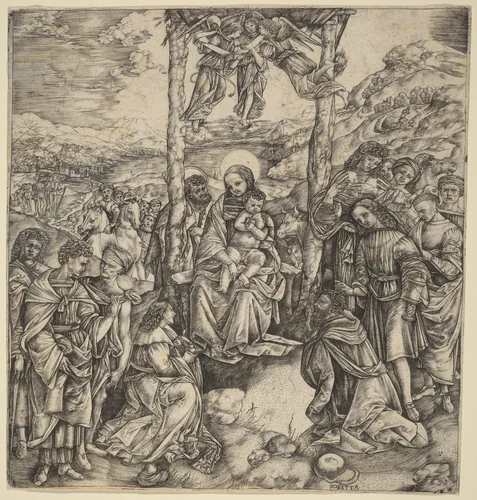
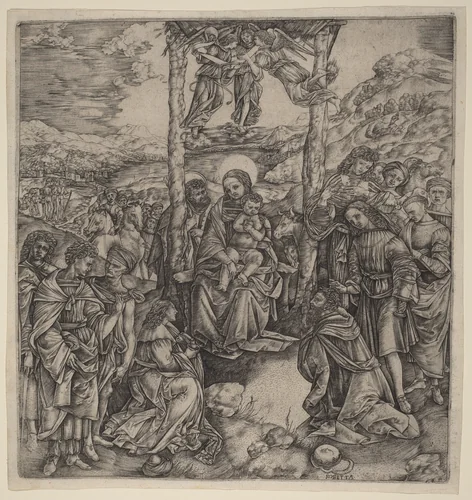
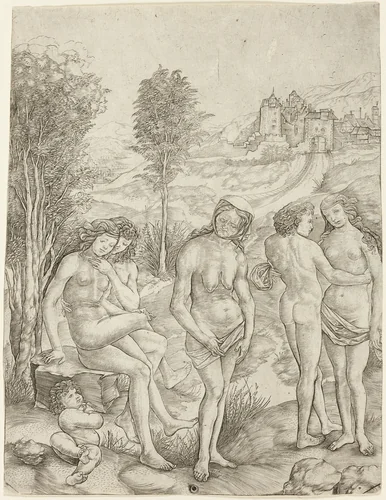
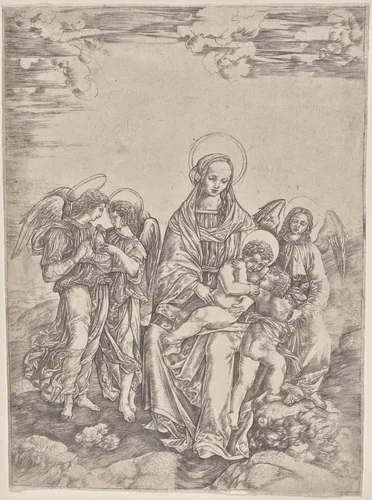
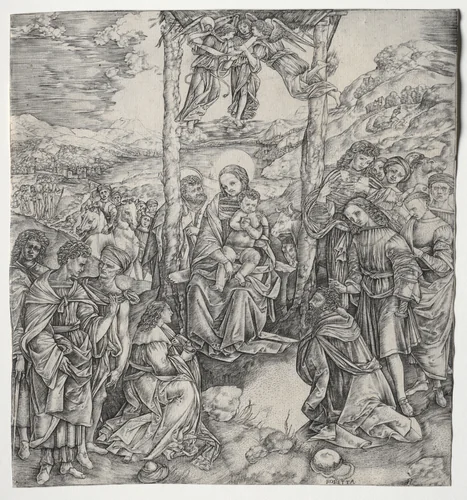
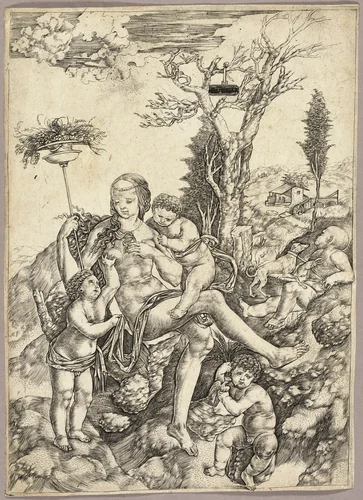
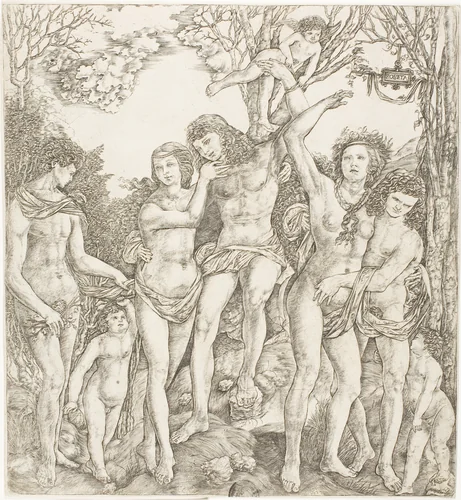
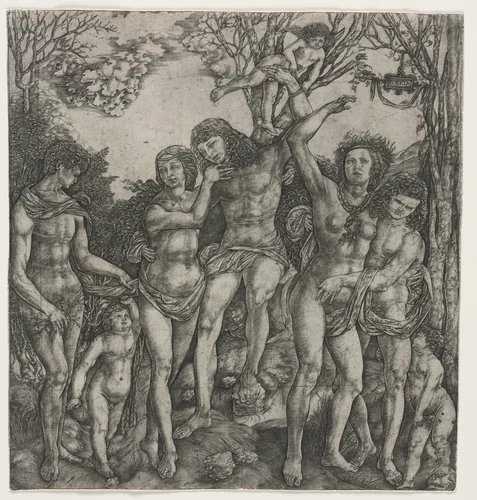
His extant output consists of a small but powerful corpus of roughly fifteen known plates. These prints demonstrate both technical mastery and a sophisticated thematic engagement, positioning him alongside contemporary masters working within the classicizing ideals of the late Quattrocento. Robetta’s compositions often dealt with complex mythological and moral allegories, such as the evocative pair of Allegory of Carnal Love and the powerful examination of vice found in Allegory of Envy. These engravings display the filtering of polished Renaissance painting through the sharp precision required of the burin, establishing him as a crucial figure in the dissemination of high-style Florentine draftsmanship.
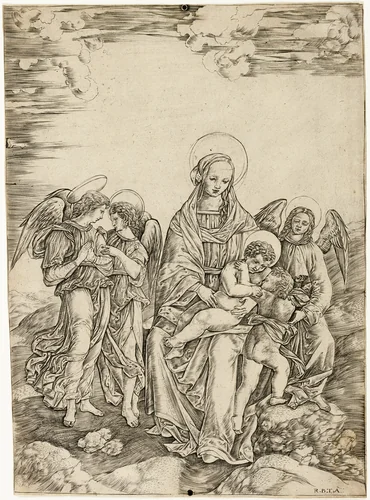
Unlike some of his peers who embraced rapid technical experimentation for commercial gain, Robetta maintained a refined, almost conservative aesthetic. His prints are dense, rich with symbolic detail, rewarding the kind of close inspection that makes them inherently museum-quality. Interestingly, while many engravers worked feverishly to disseminate religious imagery for mass consumption, Robetta seems to have focused his energies on producing highly finished, intellectual pieces often destined for elite private collectors, a commitment to intellectual rigor over sheer output characteristic of his career.
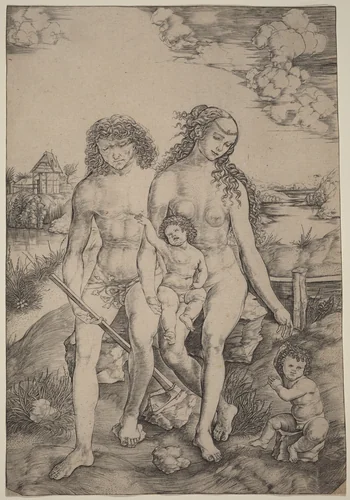
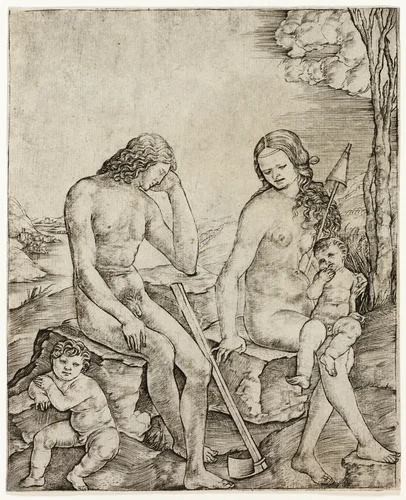
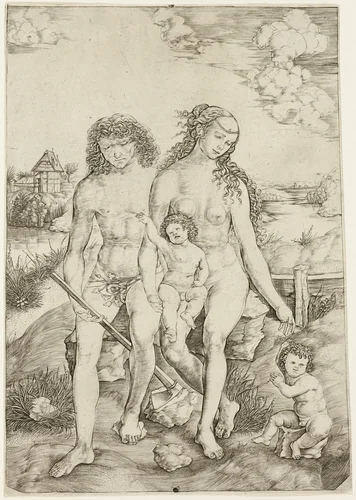
Key pieces like Adam and Eve with the Infants Cain and Abel also offer a rare glimpse into both Biblical narrative and intimate domesticity, rendered with the clarity typical of the best early Renaissance etching. Today, the enduring interest in Cristofano Robetta prints is sustained globally. Given the age and nature of these works, high-quality prints are frequently made available by major collections, ensuring that these historical images naturally reside within the public domain for scholarly study and general appreciation.
Source: Wikipedia · CC BY-SA 4.0