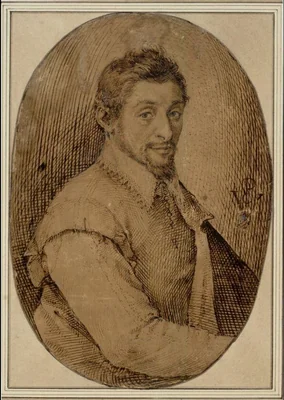
Crispijn van de Passe
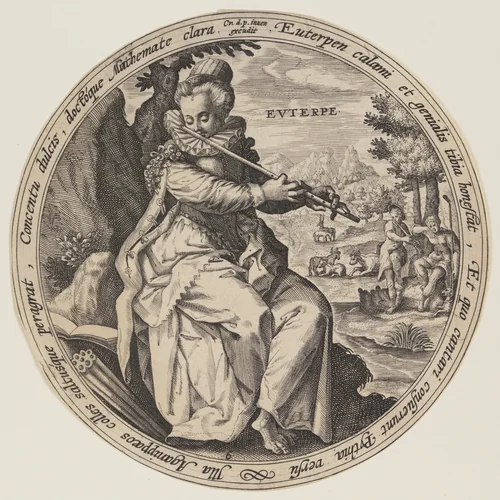
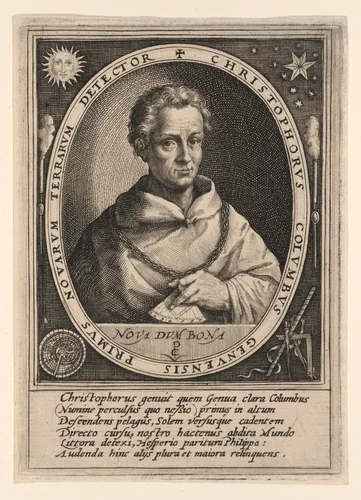
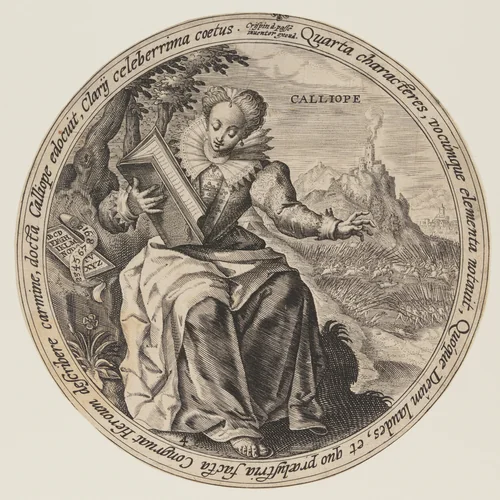
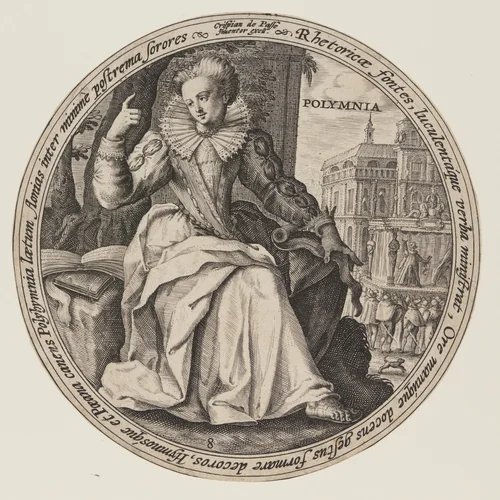
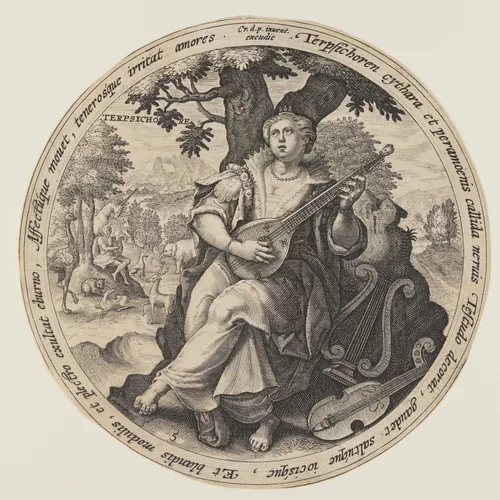
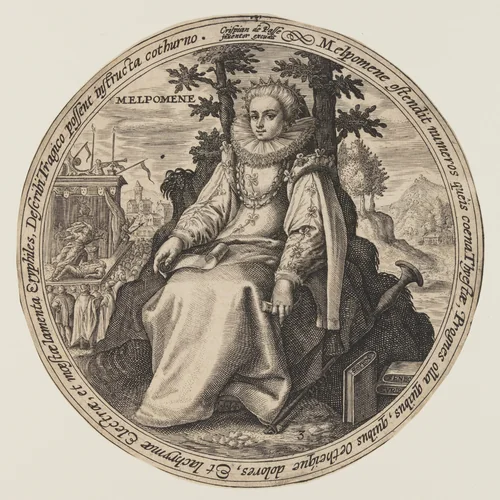
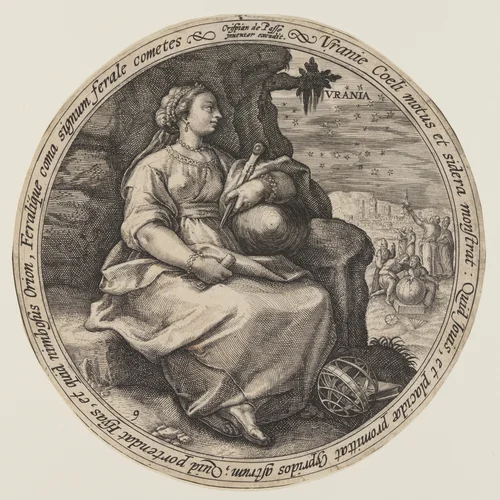
Crispijn van de Passe the Elder (c. 1545-1637) stands as the foundational figure of one of the most prolific and influential dynasties in Northern European printmaking. Active since at least 1574, Crispijn established a successful copperplate engraving enterprise that, operating initially from Cologne and later Utrecht, produced a vast and detailed catalogue of imagery for a burgeoning international market.
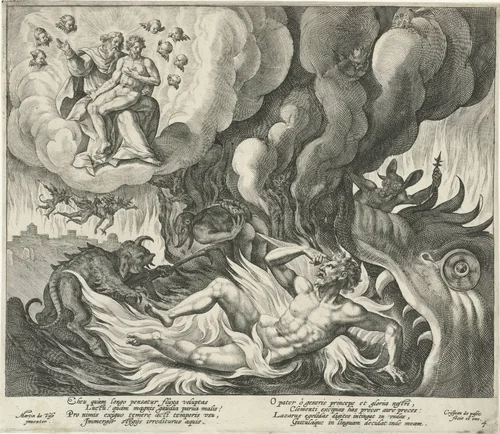
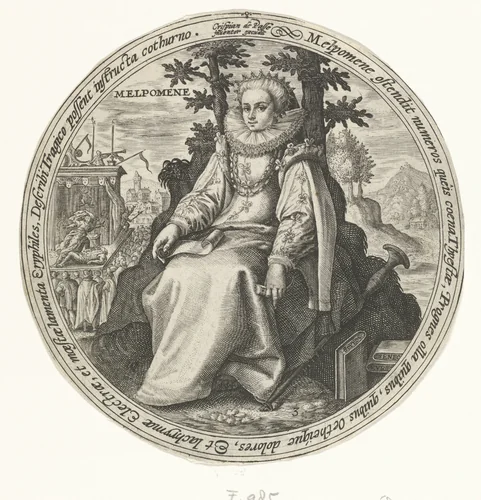
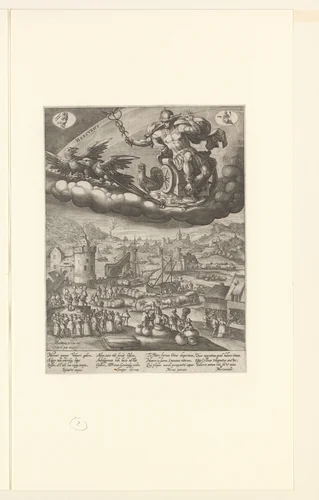
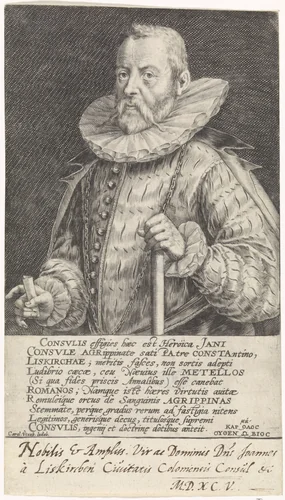
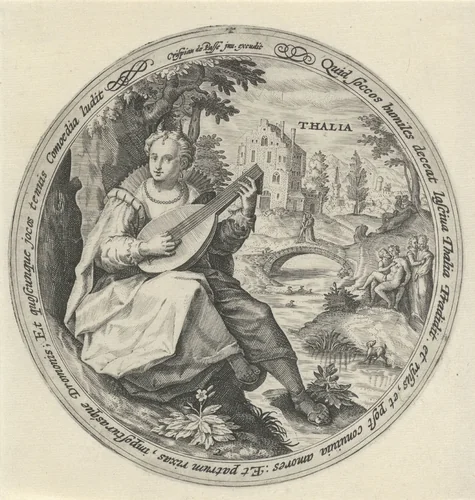
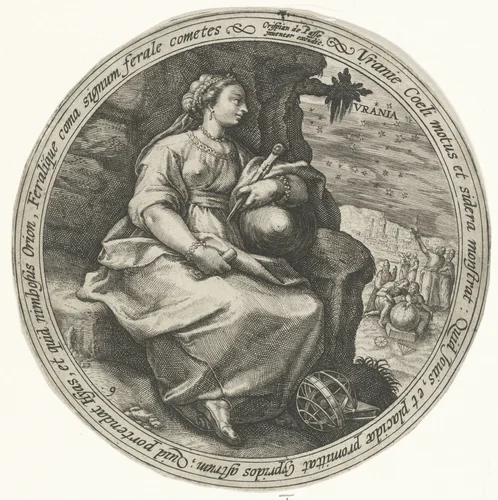
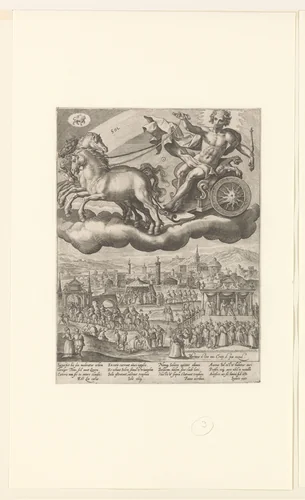
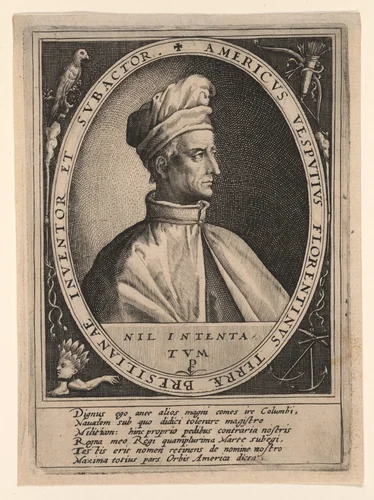
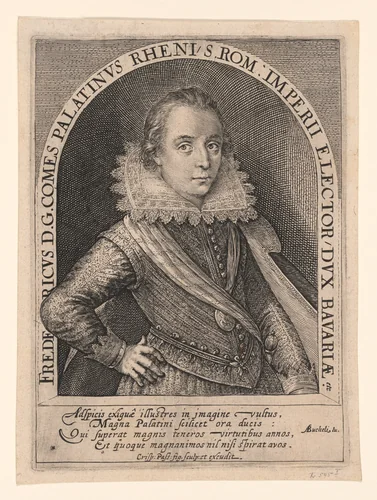
The van de Passe family’s output is comparable in scale to that of the Wierix and Sadeler families, yet their focus was distinctly rooted in commercial enterprise. While capable of executing complex biblical and mythological scenes, their success rested heavily on satisfying the vigorous public demand for portraits, sophisticated book title-pages, and smaller devotional subjects. The artist’s early works include detailed representations of the divine hierarchy, such as the specific series of prints featuring the apostles and archangels, including Apostel Andreas and Aartsengel Zadkiël. These were precisely the kind of reliable, museum-quality imagery that circulated widely across Europe.
A key feature of the van de Passe studio was the close integration of design and execution. Crispijn and his descendants frequently served as their own designers, translating original drawings directly onto the copperplate rather than relying entirely on outside draftsmen. This dedication ensured a high standard of technical consistency across the entire body of work, though it introduced an interesting challenge for modern connoisseurship: the individual styles of the family members are so consistently similar that, in the absence of a clear signature or date, identifying the precise hand of the maker requires forensic patience.
This commercial approach—prioritizing the repeatable high standards required for portraiture and illustration—sustained the dynasty for over a century, providing essential visual documentation of the era. Prints documenting scenes like the Annunciatie (appearing in various states, depicting the Virgin Mary or the Angel Gabriel individually) demonstrate the practical utility of their output. Today, the precise rendering of these historical documents ensures that high-quality prints and royalty-free images of the van de Passe catalogue remain critical resources for both art historical study and collection. The legacy of Crispijn van de Passe the Elder is maintained in major institutional holdings, including the Rijksmuseum, which preserves examples of his defining contributions to European engraving.