Crescenzio Onofri
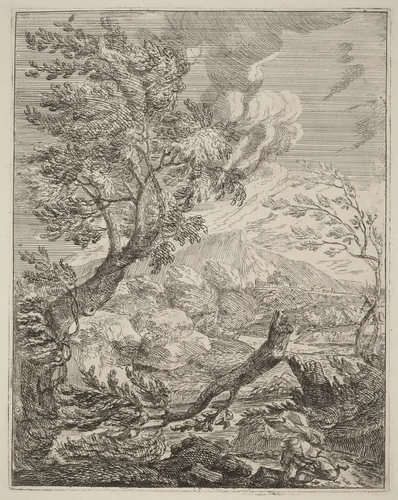
Crescenzio Onofri (1632-1696) stands as an important figure in the evolution of 17th-century Italian landscape painting. Active primarily in Rome and later in Florence, he worked across painting, drawing, and engraving, bridging the established classical landscape tradition with a detailed, atmospheric observation of the natural world. Onofri’s activity spanned decades, placing him squarely among the later inheritors of the veduta tradition, even as his detailed compositions pushed toward a more romantic interpretation of the Italian campagna.
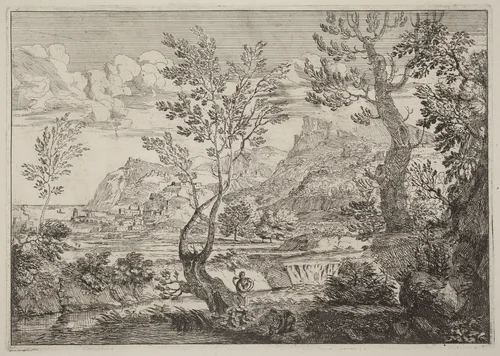
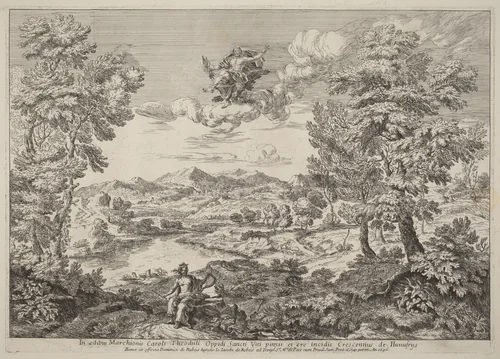
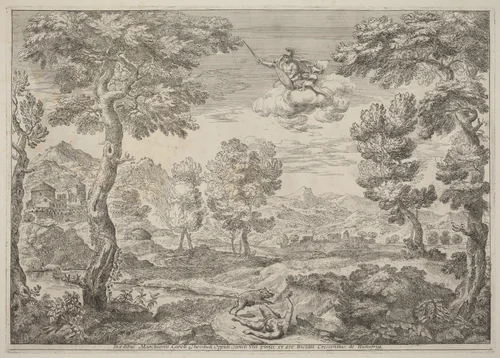
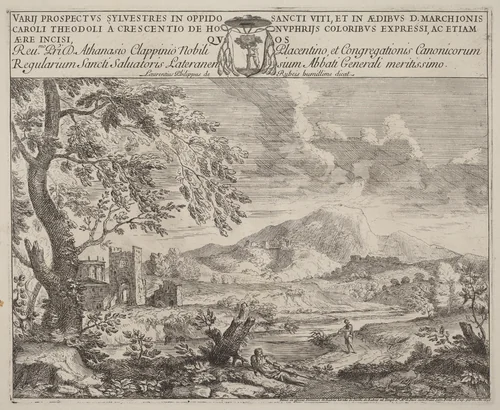
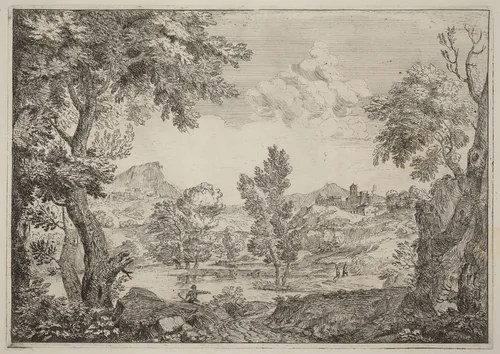
Onofri’s training is traditionally linked to Gaspard Dughet, a presumed apprenticeship that ensured his foundation in the highly influential classical style pioneered by Nicolas Poussin. This grounding provided Onofri with a sophisticated understanding of composition and light, evident in his surviving works. He excelled across mediums, producing not only oils but also detailed drawings and significant engraved works. These surviving works range from dramatic natural studies, like the powerful A Waterfall, to evocative topographical records.
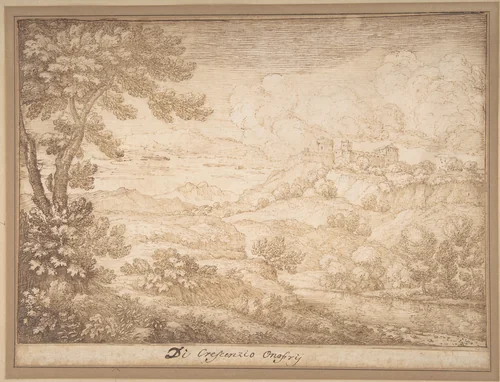
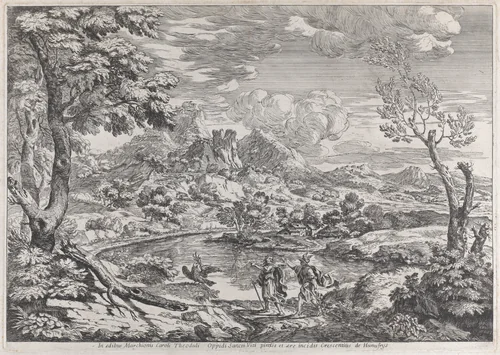
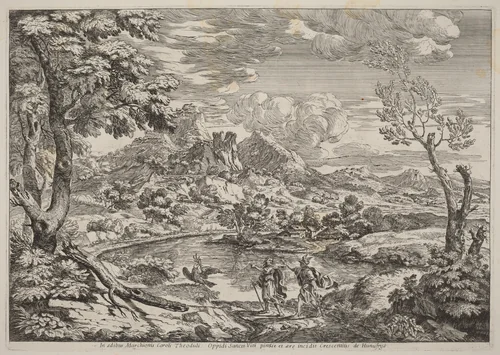
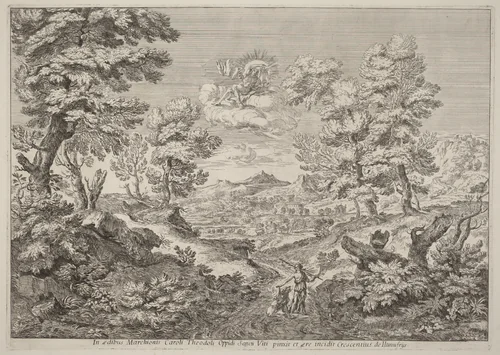
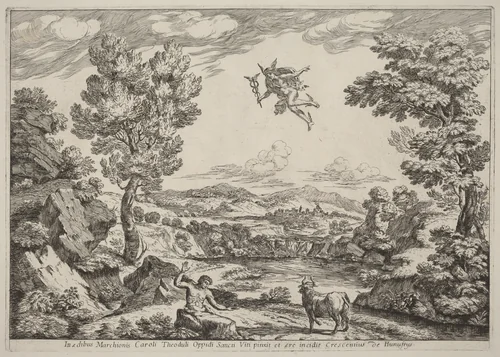
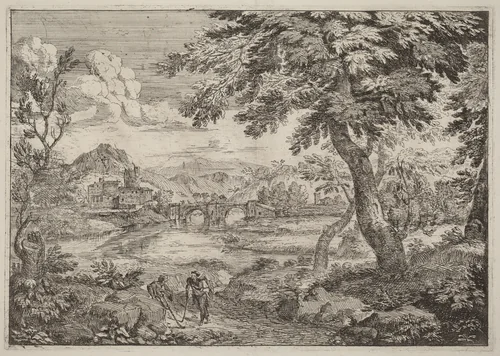
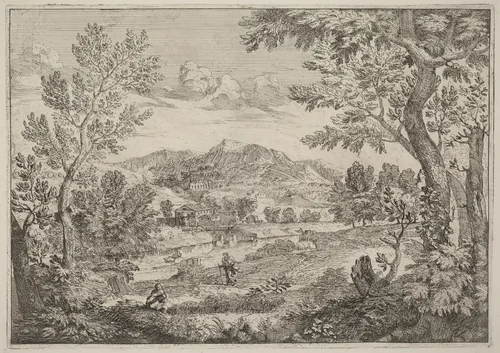
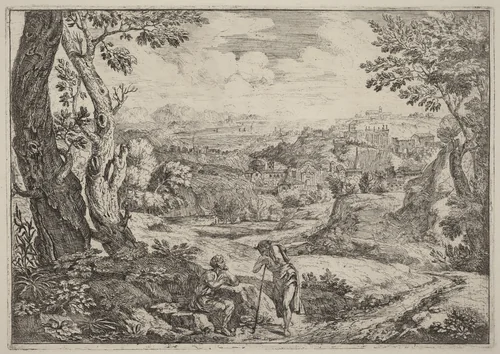
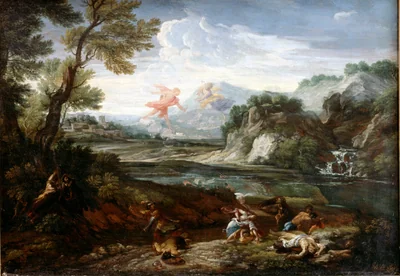
His known oeuvre includes several distinct compositions, many of which reveal his skill in integrating classical themes into his settings. Examples such as Landscape with a Castle on a Hill demonstrate his mastery of depth and scale, while mythological scenes, like A Man Showing Mercury the Eagle of Jupiter, indicate his commitment to narrative specificity. It is worth noting that while Onofri provided the dramatic scenery, he frequently collaborated with specialist figure painters of the period to populate and complete his compositions, outsourcing the complex human element while retaining control over the environmental mood. This partnership approach, common in 17th-century Rome, speaks to the high regard held for his landscape expertise.
Though perhaps recognized primarily for his draftsmanship and Crescenzio Onofri prints during his lifetime, today his legacy is preserved in major collections, including the Metropolitan Museum of Art and the National Gallery of Art, attesting to the museum-quality status of his output. The continuing interest in Onofri's mastery of etching means that many of his compositions, often available as high-quality prints, are now accessible in the public domain, securing his enduring position within the 17th-century Italian landscape tradition.
Source: Wikipedia · CC BY-SA 4.0