Cosmè Tura
Cosmè Tura (c. 1430-1495), known historically as Il Cosmè or Cosimo Tura, stands as the critical, foundational figure in the genesis of the Ferrarese School of painting. Active primarily between 1450 and 1484, Tura’s contribution to the Italian early-Renaissance was essential, establishing a distinctly local aesthetic for the court of the powerful Este family. He effectively translated the burgeoning classical vocabulary into a style marked by dramatic linearity and almost brittle precision.
Tura’s work represents a sophisticated synthesis of existing artistic traditions, particularly the detailed ornamentation of late-Gothic manuscript illumination and the powerful, sculptural articulation pioneered by artists like Andrea Mantegna. This combination resulted in figures that often possess a nervous energy and architectural stiffness, rendered with vivid, sometimes jarring, color palettes. These characteristics are clearly evident across his varied output, which spans both large panel compositions and meticulous works on vellum.
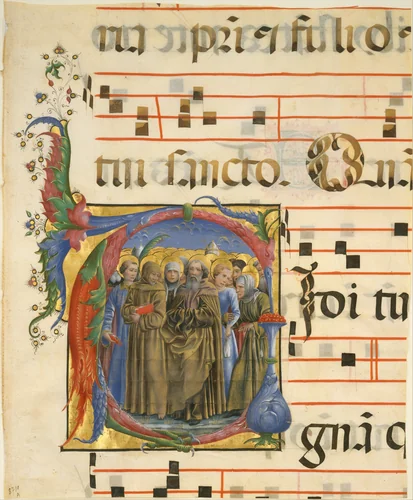
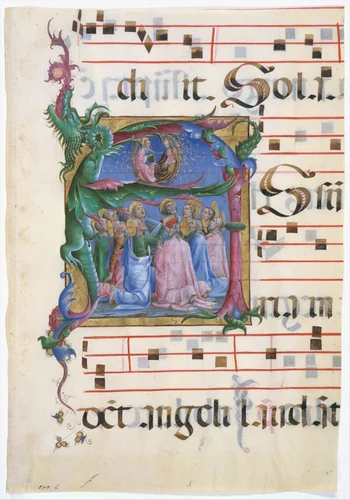
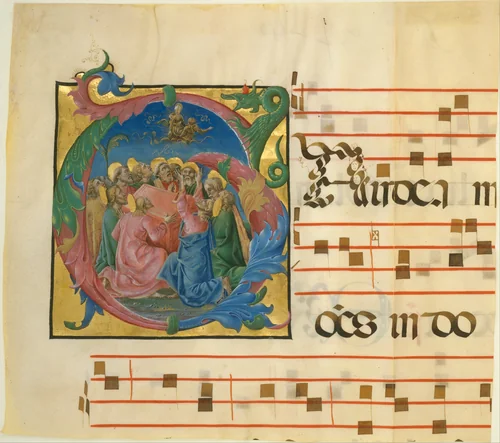
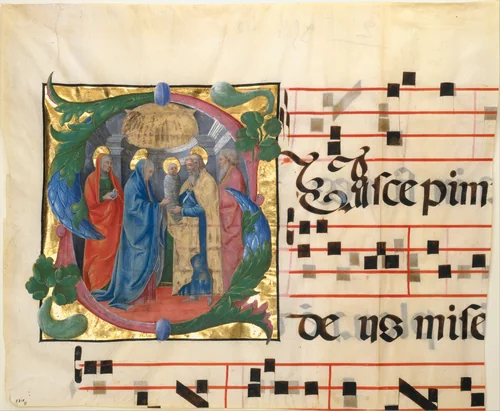
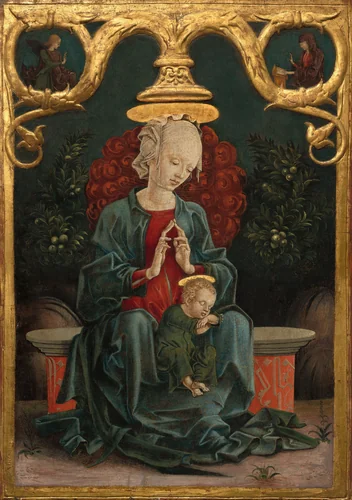
The surviving catalog of Tura’s work is surprisingly compact, consisting of just nine authenticated paintings, one drawing, and four substantial manuscript leaves, all crucial windows into his method. Important pieces like his Madonna and Child in a Garden demonstrate his mastery of detailed natural settings, while illuminated works, such as the Manuscript Illumination with the Assumption of the Virgin in an Initial A, confirm his expertise in miniature painting. Tura was highly sought after, receiving significant commissions throughout his career, yet the final, documented body of work is notably limited for an artist of his stature and lengthy active period. This very scarcity heightens the historical value and importance of the few extant Cosmè Tura paintings.
Today, Tura’s pivotal early-Renaissance contributions are housed in prestigious institutions worldwide, including the National Gallery of Art. Due to the historical importance of his creations, these museum-quality works are frequently digitized, making high-quality prints and downloadable artwork widely available for study and enjoyment.
Source: Wikipedia · CC BY-SA 4.0
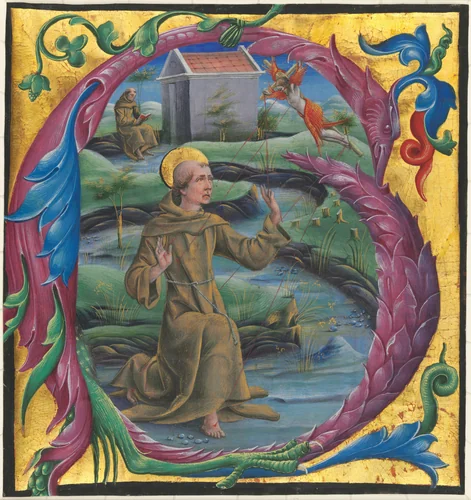
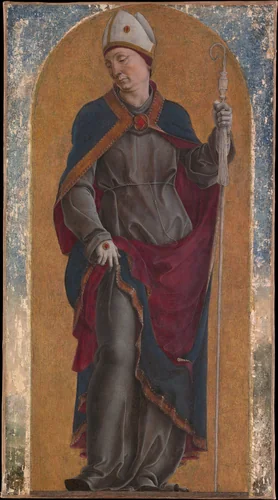
![Saint Francis [far left panel] by Cosmè Tura, painting, 1470-1480](https://img.artbee.org/0710be79-5763-464a-88d2-5867cc1efa07/small.webp)
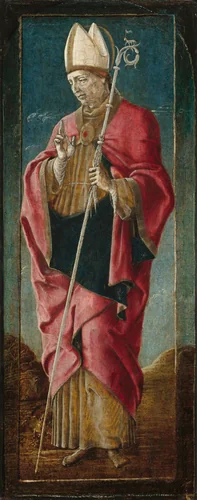
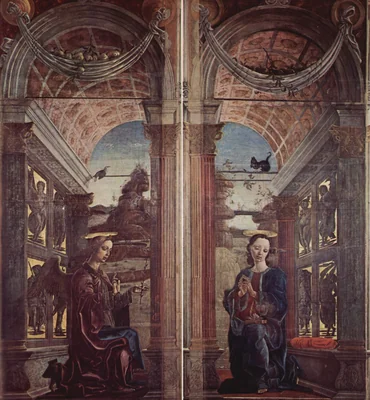
![The Annunciation with Saint Francis and Saint Louis of Toulouse [four panels] by Cosmè Tura, painting, 1470-1480](https://img.artbee.org/ba7d27ef-bfde-49ca-a69c-4911745cafc6/small.webp)
![The Archangel Gabriel [middle left panel] by Cosmè Tura, painting, 1470-1480](https://img.artbee.org/49096a5b-97de-4fac-9d96-6f6b3596a2ae/small.webp)
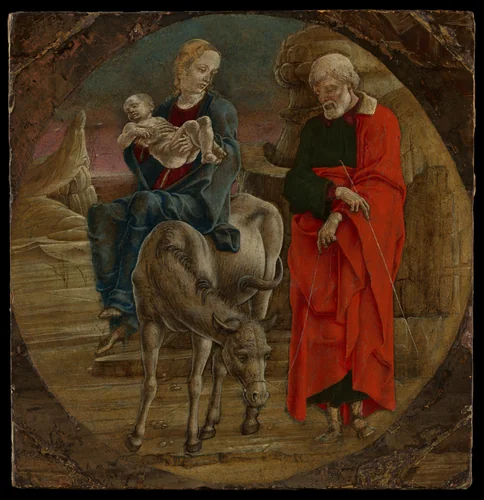
![The Virgin Annunciate [middle right panel] by Cosmè Tura, painting, 1470-1480](https://img.artbee.org/7fb7324d-da20-4f20-87e5-a98b0d899f97/small.webp)