Cornelius Varley
Cornelius Varley, FRSA (1781–1868) occupied a unique and compelling position in early nineteenth-century British culture, successfully merging the exacting disciplines of scientific precision with artistic observation. Active as a practitioner for nearly four decades, Varley earned significant contemporary renown as a highly skilled watercolour painter, focusing largely on atmospheric and meticulously detailed topographical studies.
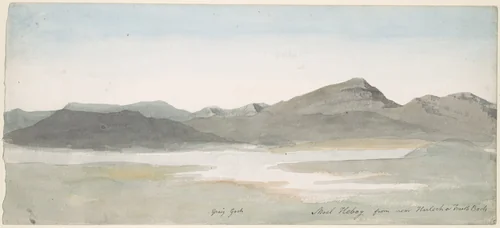
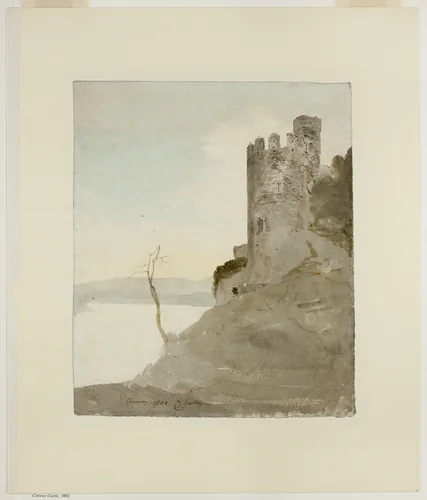
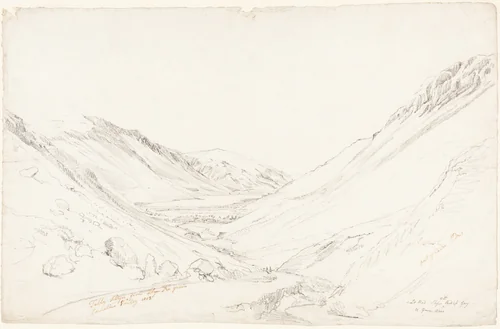
However, his enduring historical significance lies equally in his profound contributions to applied optics. Recognized as an ingenious optical instrument-maker, Varley famously invented the graphic telescope and the graphic microscope. These devices, designed to facilitate accurate projection and tracing, allowed for unprecedented accuracy in field sketching and detailed rendering. This technological mastery enabled the artist to capture intricate and demanding subjects, from distant architectural views like Conway Castle to the challenging scale of the Welsh peaks seen in Craig Goch, Moel Hebog, North Wales. Few artists can claim to have personally engineered the very instruments they utilized to capture the natural world, a dedication which speaks volumes about the early modern quest for objective representation.
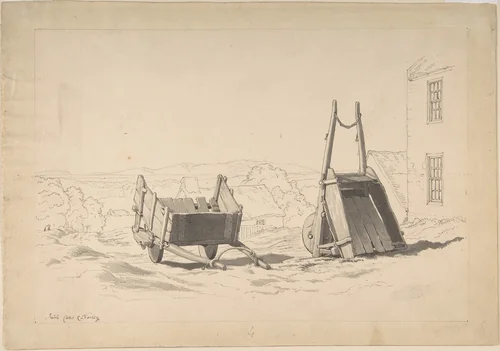
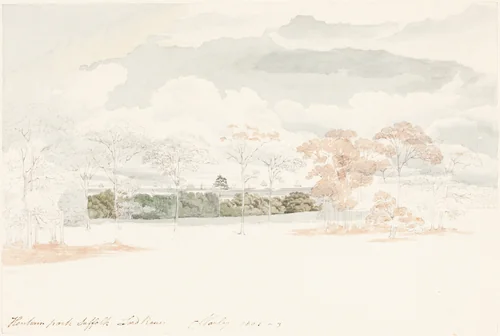
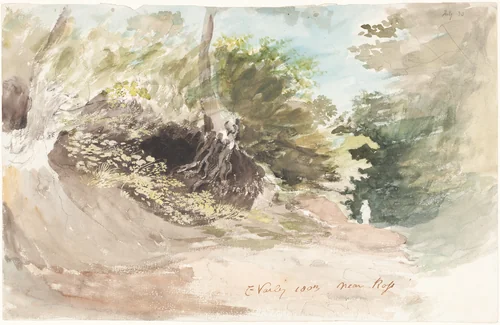
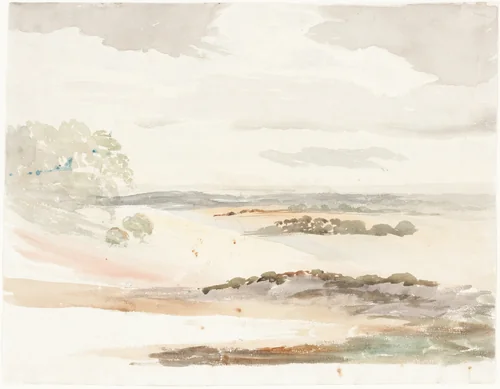
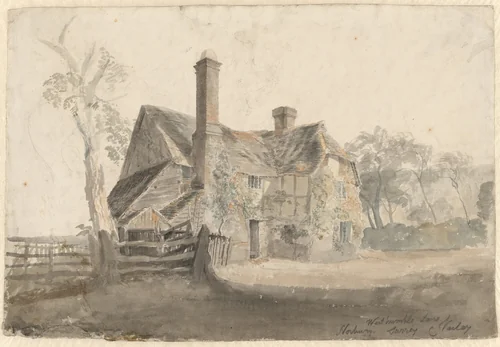
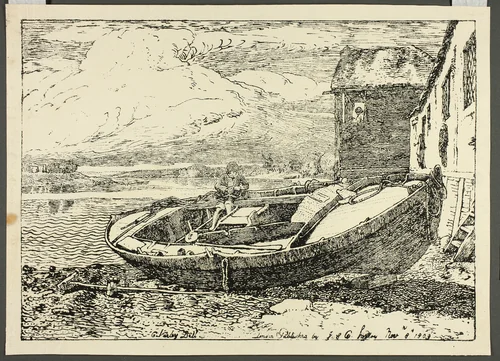
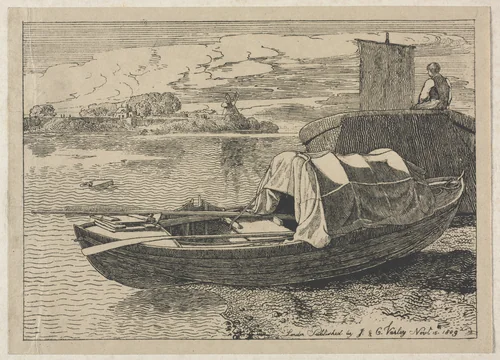
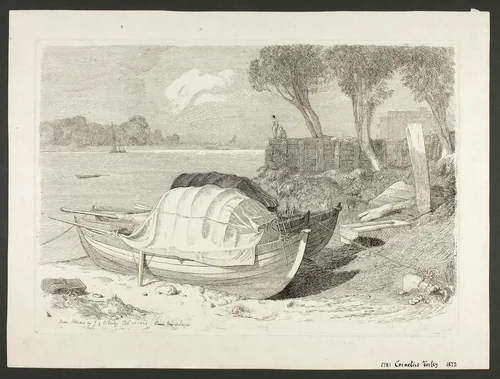
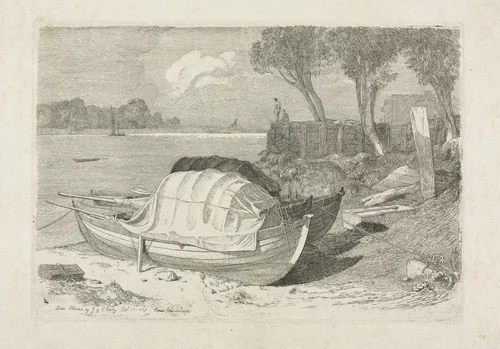
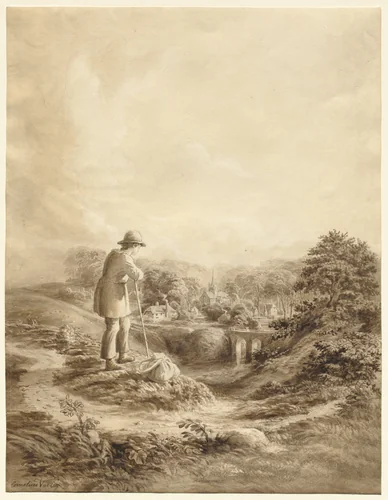
Varley’s preserved oeuvre consists primarily of meticulous drawings, finished watercolours, and a limited collection of prints, frequently documenting his extensive travels across Britain and Ireland. His studies of regional life, such as the observant Irish cars (Study of two carts in a landscape), provide valuable visual documentation alongside his formal landscape compositions like Henham Park, Suffolk. The artist’s output is highly prized for its crisp draughtsmanship and controlled palette, characteristics often attributed to his scientifically rigorous approach to composition.
Today, Varley’s legacy is preserved in major American institutions, including the Metropolitan Museum of Art, the National Gallery of Art, and the Cleveland Museum of Art. The precision inherent in his technical drawings ensures that many of these historically important images are available as high-quality prints. His body of work, reflecting a period when empirical science and topographical art were merging fields of inquiry, serves as an essential resource for understanding early British landscape depiction. Many fine examples of Cornelius Varley prints are now in the public domain, ensuring widespread access to his detailed artistic and technical legacy.
Source: Wikipedia · CC BY-SA 4.0