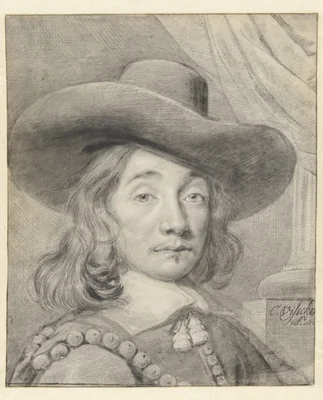
Cornelis Visscher
Cornelis Visscher holds an indelible position among the preeminent engravers of the Dutch Golden Age. While the Visscher name itself encompasses an influential dynasty of printmakers, active over an extended period spanning the late sixteenth into the seventeenth century, Cornelis Visscher distinguished himself through an unparalleled technical rigor that elevated the craft of reproductive printmaking. Working alongside his brothers, Jan de Visscher and Lambert Visscher, he helped solidify the family firm’s dominance in disseminating images across Europe.
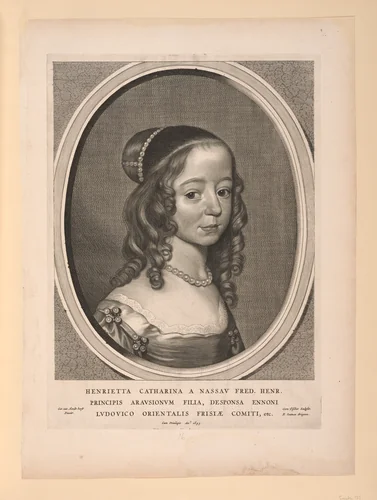
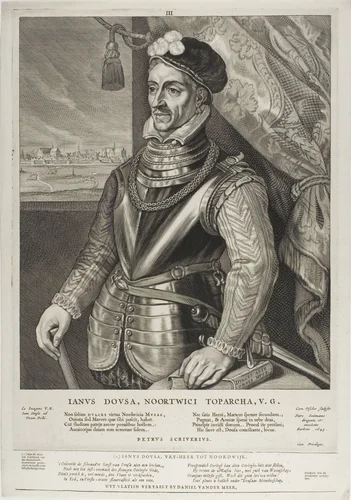
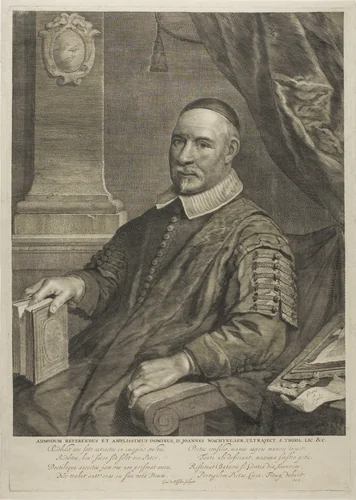
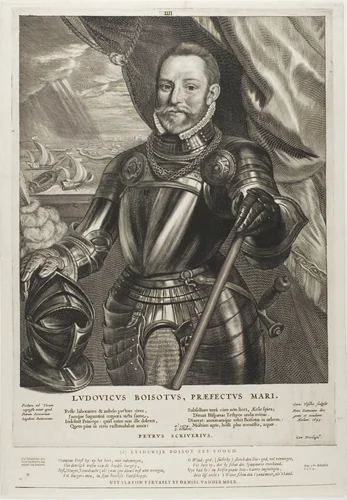
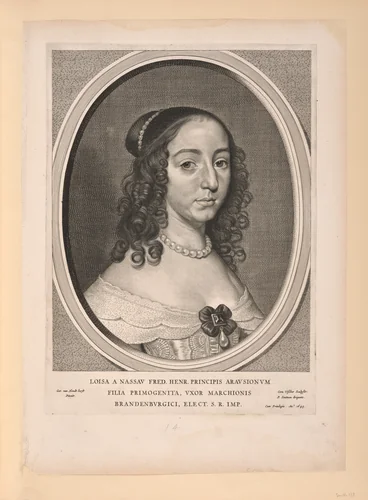
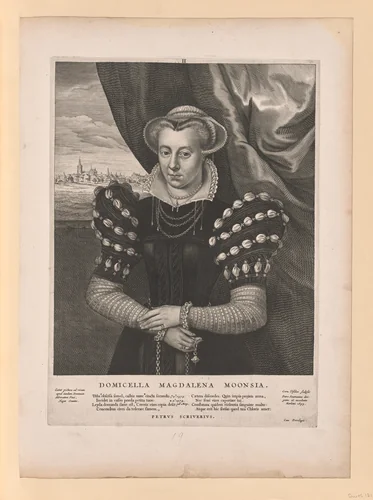
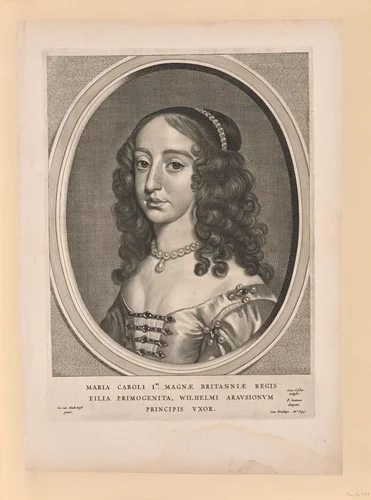
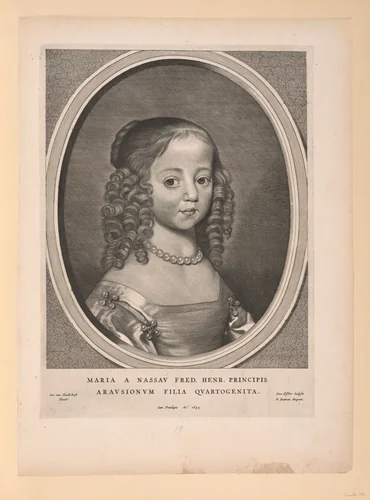
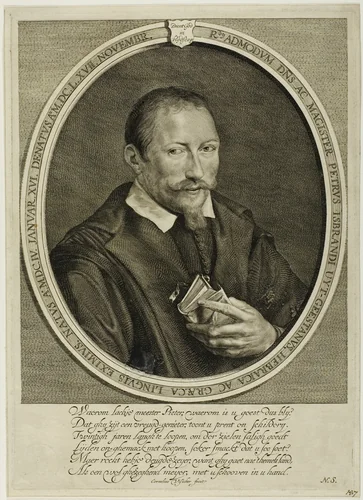
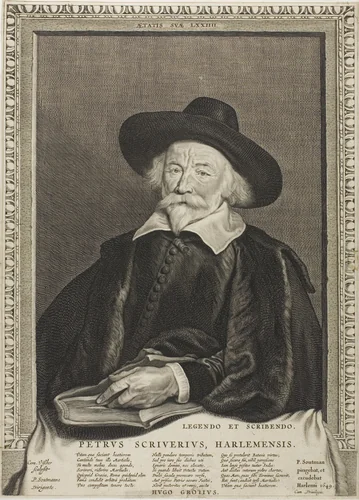
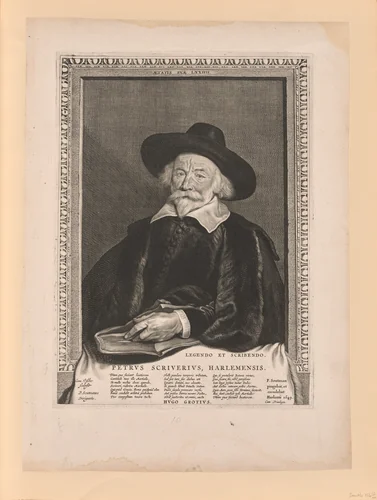
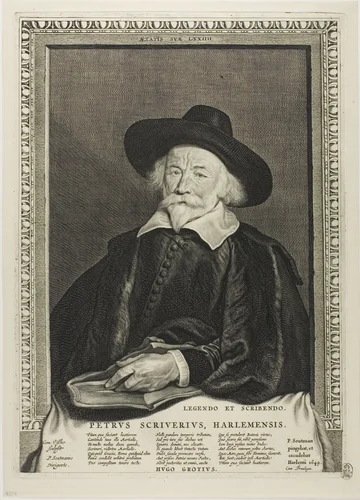
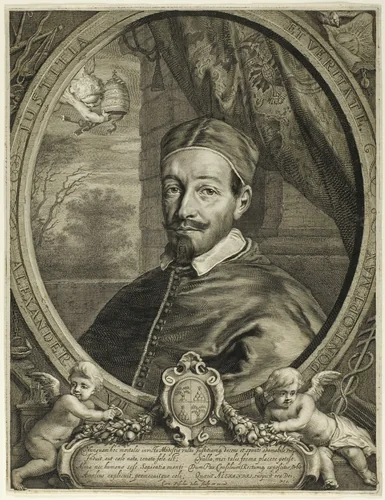
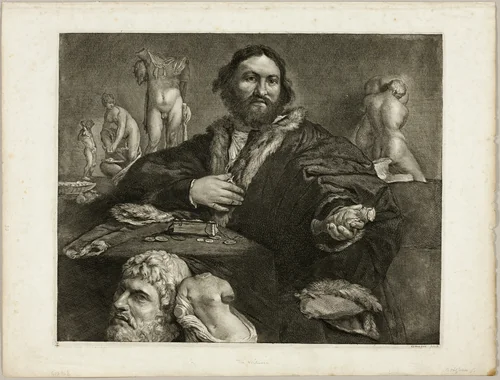
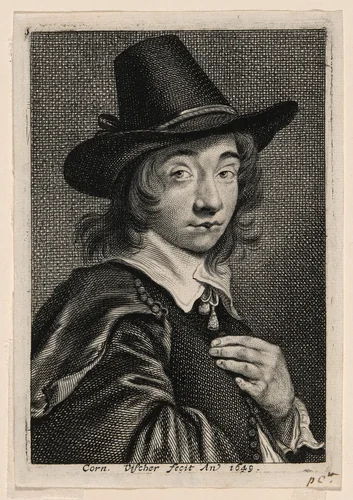
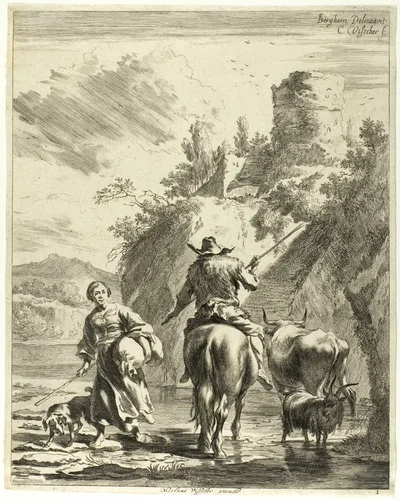
Visscher’s artistic genius lay in his meticulous command of line, utilizing complex cross-hatching and dot-and-flick techniques to capture subtle variations in texture, light, and volume. This technical dexterity allowed him to excel equally in the grand manner of portraiture and the intimate detail of genre scenes. His ability to render the luxurious fabrics and solemn authority required of commissions such as Henrietta Catharina, Princess of Orange Nassau, contrasts sharply with the vitality found in character studies like The Pancake Woman. It is in works such as Lieven van Coppenol, however, where Visscher’s portraiture achieves its full psychological depth, portraying the sitter not merely as a subject, but as a personality captured in a moment of thoughtful pause. This mastery ensured that his works quickly became highly sought-after, cementing their place in foundational institutions, from the Rijksmuseum to the National Gallery of Art.
Visscher frequently contributed to major publishing projects, notably producing plates such as The Lamentation for collaborative ventures like Cabinet Reynst. These demanding works set a standard for what constitutes museum-quality engraving, influencing subsequent generations of Dutch and European printmakers. His legacy persists not only in original impressions, but also in the wide availability of his work. Many of Visscher’s foundational Cornelis Visscher prints are now in the public domain, ensuring scholars and enthusiasts alike can access and study these high-quality prints. His enduring contribution proves that the most exacting technical proficiency can serve as the conduit for substantial artistic expression, transforming the mechanical reproduction of an image into an art form in its own right.
Source: Wikipedia · CC BY-SA 4.0