Cornelis van Dalen
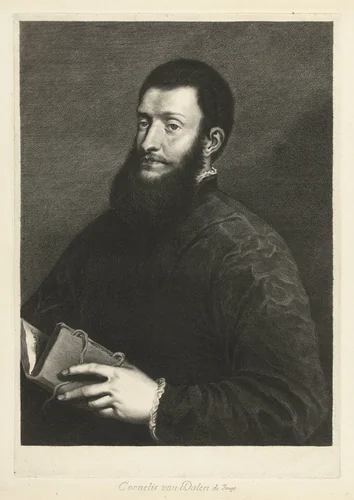
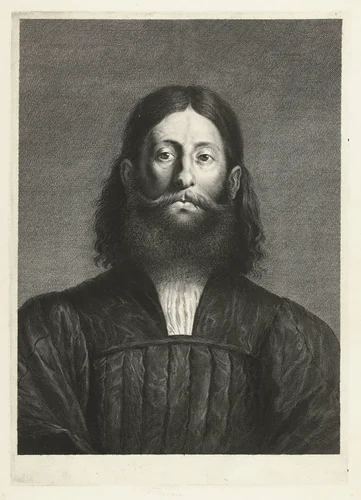
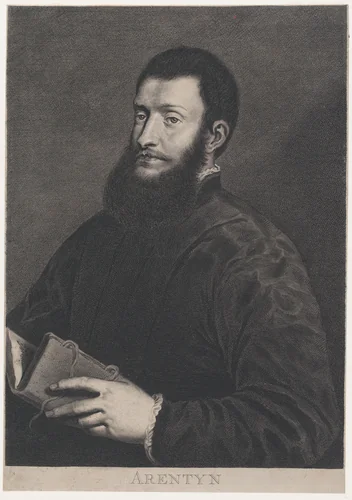
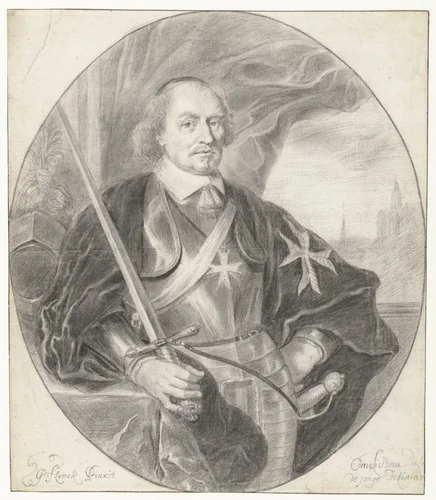
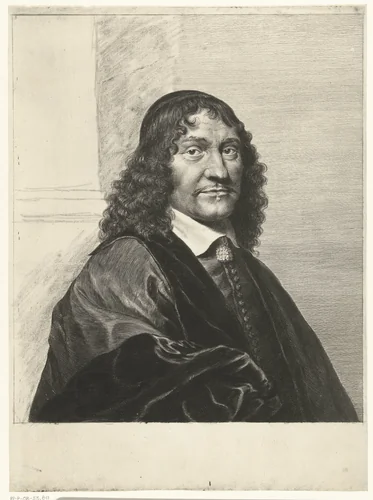
Cornelis van Dalen established himself as a significant Dutch figure in 17th-century engraving, active primarily between 1602 and 1641. His precise and controlled output, recorded at approximately fifteen known plates, focused almost exclusively on highly detailed portraiture crucial for disseminating the likenesses of powerful figures across Northern Europe. His technical mastery ensured his inclusion in major institutional holdings, notably the Rijksmuseum in Amsterdam and the National Gallery of Art in Washington, D.C.
Van Dalen specialized in the refined rendering required for copperplate engraving, a process demanding incredible patience and discipline. He produced works that function simultaneously as primary historical documents and as artistic statements concerning status and power. The subjects he chose underscore his strong connection to contemporary political and literary circles, particularly those linked to the English court.
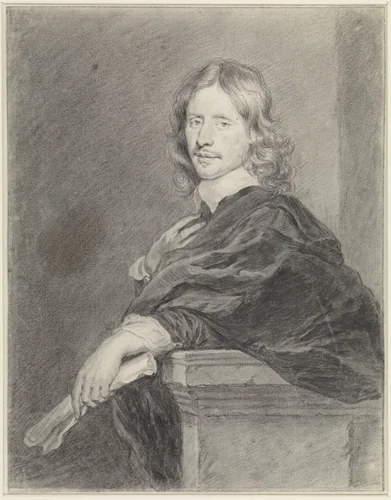
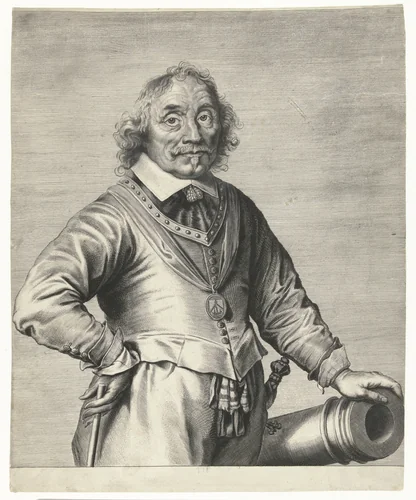
His recorded works include formal portraits of the rising Stuart dynasty: the young Charles II as Prince and his brother, James II, Duke of York, alongside the key nobleman, Algeron Percy, 10th Earl of Northumberland, and the esteemed writer, Josuah Sylvester, Poet. These commissions attest to the high regard in which his careful draughtsmanship was held, providing generations of viewers with crisp, authoritative visual records of 17th-century elite culture.
The enduring clarity and historical importance of Van Dalen’s work ensure its continued study and accessibility. Given the age and nature of these materials, much of his collected output now resides securely in the public domain. This accessibility permits modern institutions to provide museum-quality documentation, often available as high-quality prints or downloadable artwork for scholars and enthusiasts worldwide. His prints offer essential insight into the visual culture of early modern Europe.
It is a curious footnote to history that an artist whose work demanded such specific, careful delineation of personality would himself be subject to identity confusion across the centuries. Though Van Dalen’s artistic legacy is cemented by these foundational prints from the early 17th century, the name Cornelis van Dalen would later resurface in historical registers associated with an entirely different endeavor—sports competition—centuries after the engraver laid down his burin.
Source: Wikipedia · CC BY-SA 4.0