Cornelis Troost
Cornelis Troost was a leading figure in 18th-century Dutch art, originating in Amsterdam. Active primarily between 1706 and 1737, Troost distinguished himself not just as a painter, but as a transitional creative who first established a notable career as an actor. This unconventional background indelibly shaped his visual art, providing his compositions with an acute understanding of human gesture, theatrical staging, and narrative tension.
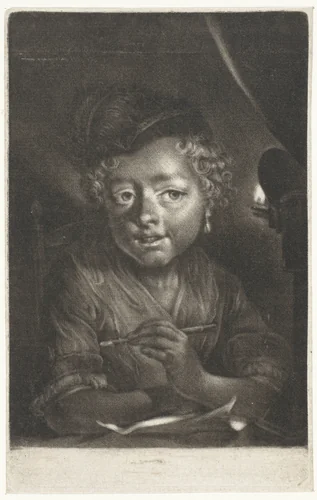
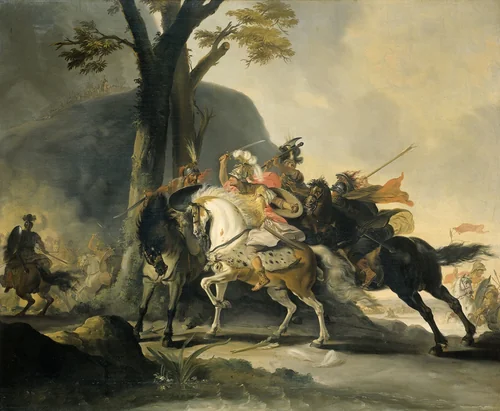
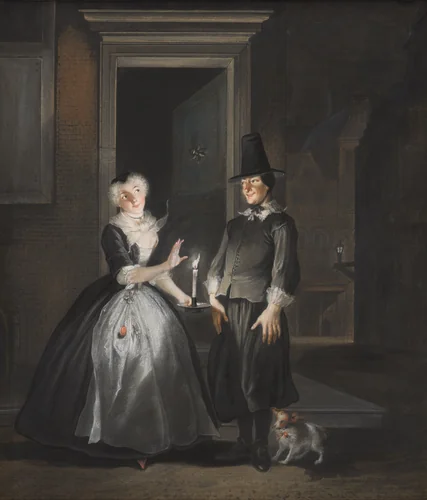
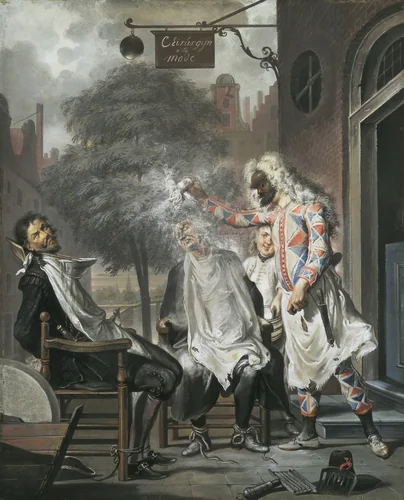
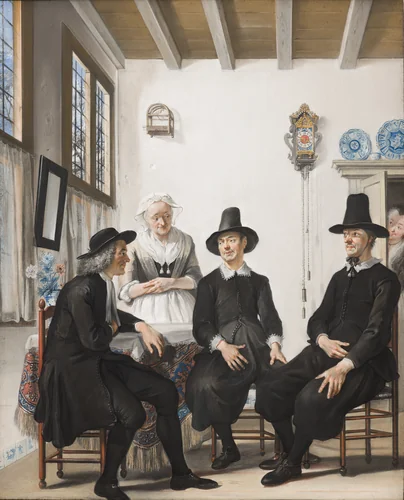
Troost excelled particularly in refined portraiture and intimate genre scenes, capturing the domestic and often comic interactions of the bourgeois society around him. His work possesses a stylistic precision that bridges the robust realism of the Dutch Golden Age with the emerging Rococo sensibilities. Through paintings and Cornelis Troost prints, he documented the subtle absurdities and genuine emotions of everyday life.
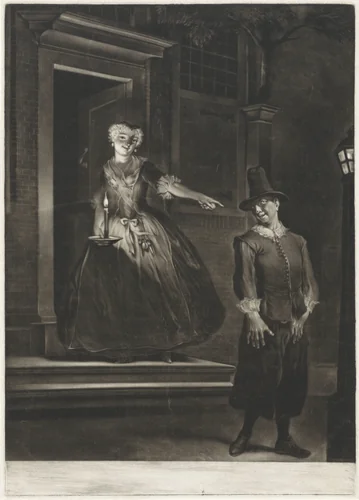
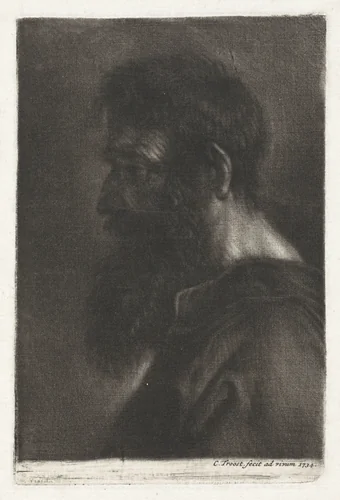
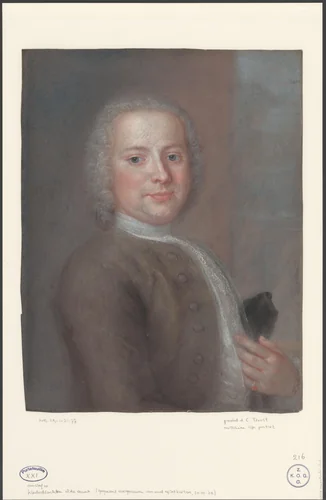
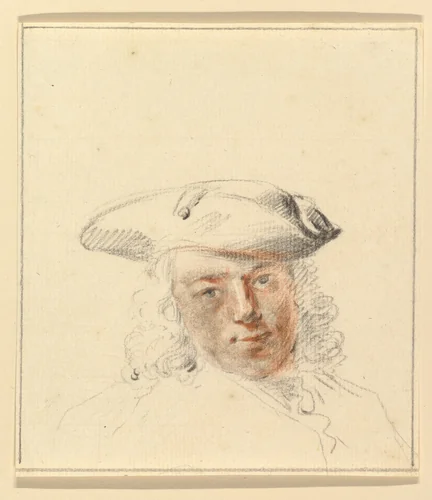
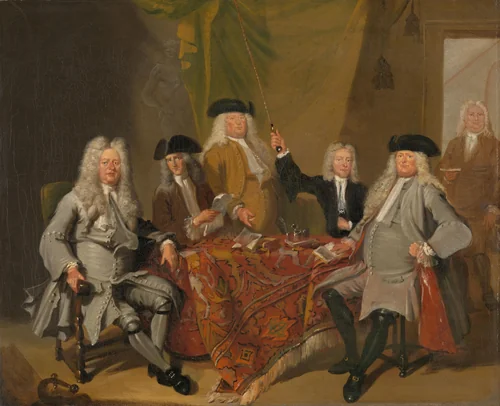
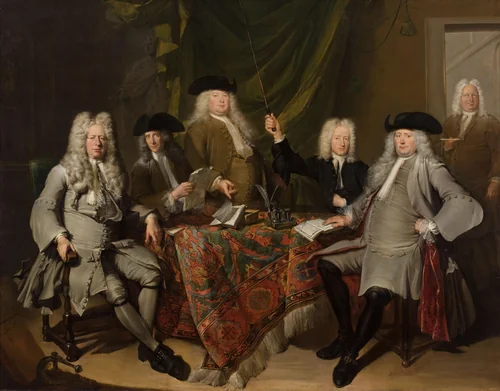
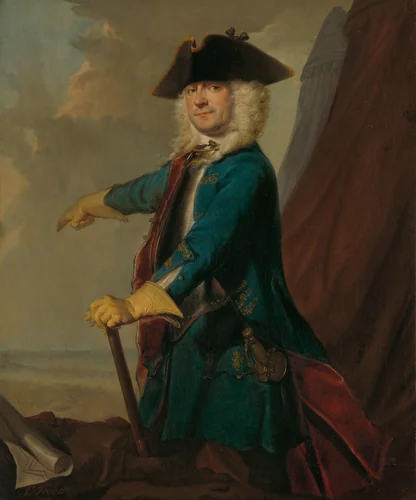
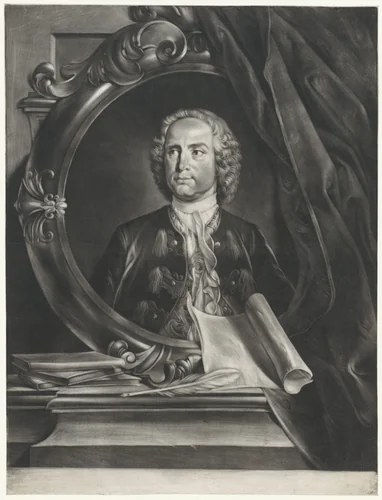
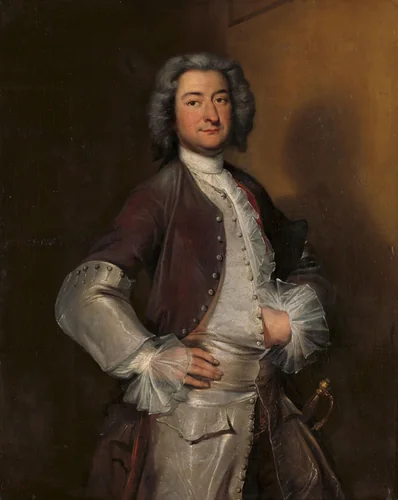
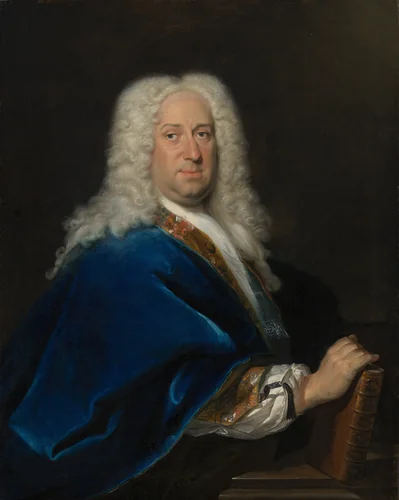
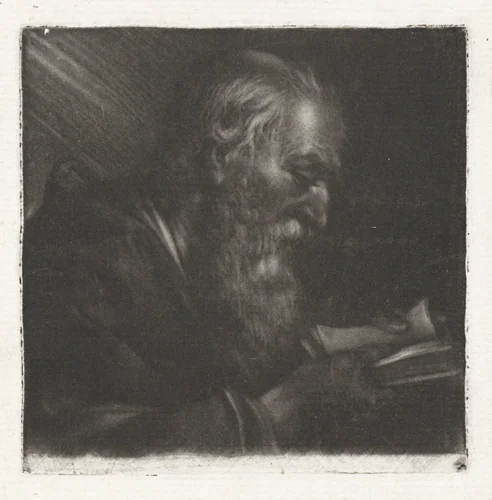
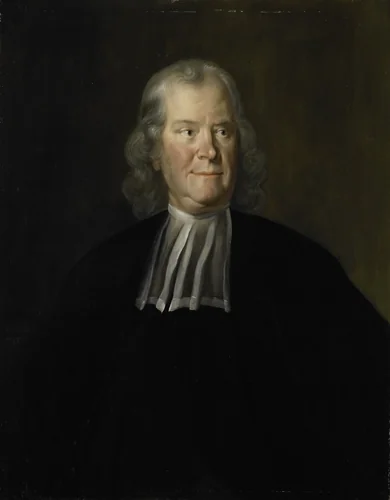
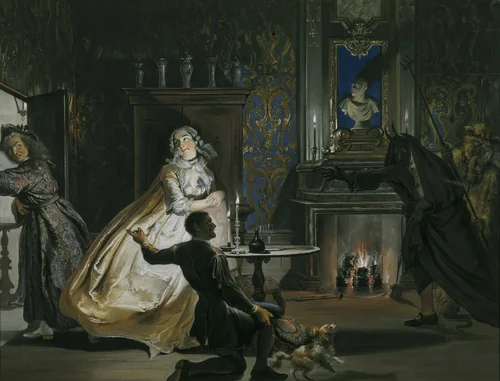
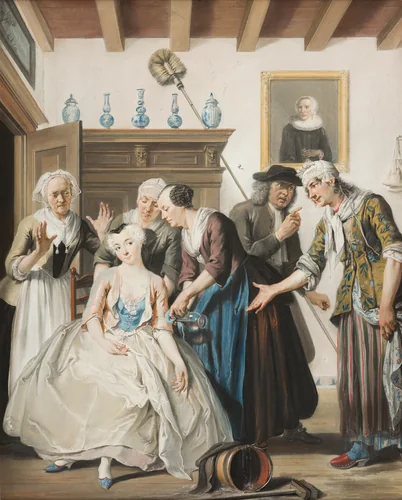
His ability to capture psychological depth is evident across his known output, which includes seven paintings, five prints, and two drawings. Dramatic pieces such as Jan Claasz of de gewaande dienstmaagd: de liefdesverklaring van Reinier Adriaansz demonstrate his mastery of complex groupings and implied action, while his character studies, like Lezende oude man, showcase his technical skill in rendering texture and light. Even his standard portraiture, such as Portrait of a Young Man or the compelling Portret van een onbekende man, mogelijk een zelfportret, avoids stiff formality, conveying a directness often missing in contemporaneous commissions. It is perhaps unsurprising that an artist who spent years observing and embodying human emotion could produce such compelling visual narratives.
Today, Troost’s contributions are recognized globally. His paintings are housed in prestigious institutions, including the Rijksmuseum and the Mauritshuis in the Netherlands, as well as the Metropolitan Museum of Art. For researchers and enthusiasts of 18th-century Netherlandish art, much of his visual legacy is considered public domain, ensuring that these historical records of early modern Dutch society remain widely accessible. His works are often reproduced as high-quality prints, allowing the subtle personality embedded in Troost’s compositions to be appreciated far beyond their institutional settings.