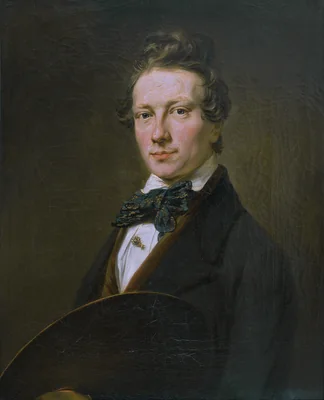
Cornelis Springer
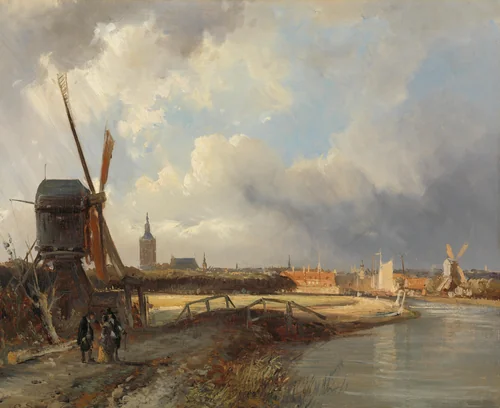
Cornelis Springer (1817-1891), a pivotal figure in 19th-century Dutch painting, established his enduring significance as the preeminent master of the cityscape, or stadsgezicht. Active from 1827 through the 1860s, Springer synthesized the meticulous architectural detail characteristic of the Dutch Golden Age tradition with the heightened realism and atmospheric effects popular in his own era. His work is centrally important for documenting the idealized urban environment of the Netherlands before widespread modernization irrevocably altered the historic centers.
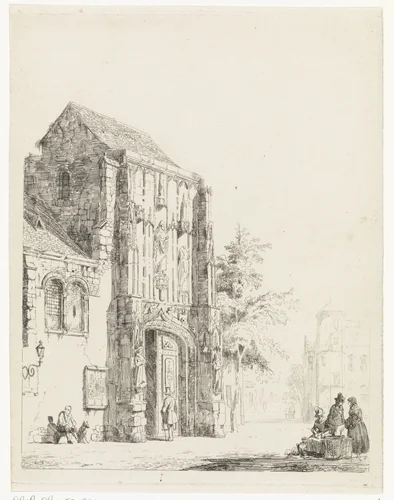
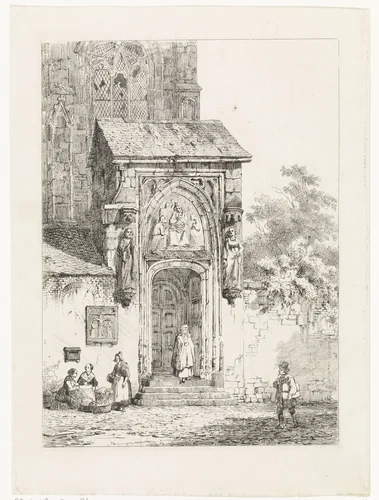
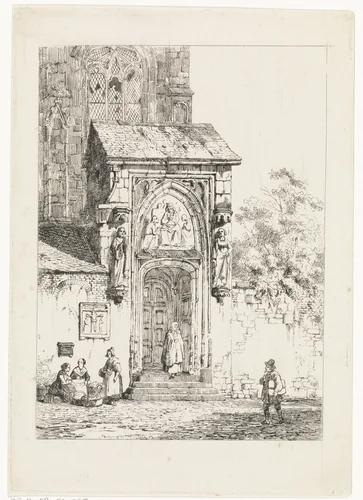
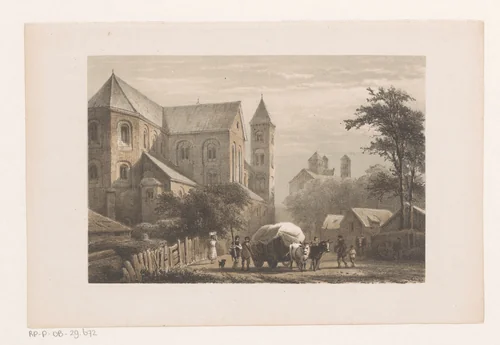
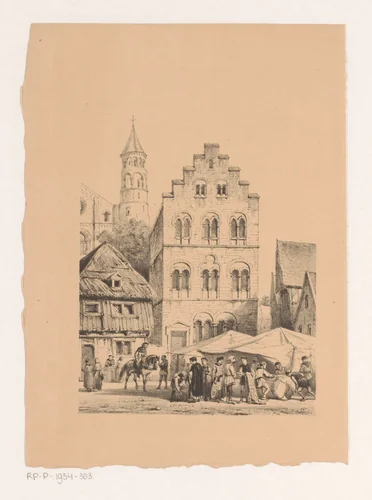
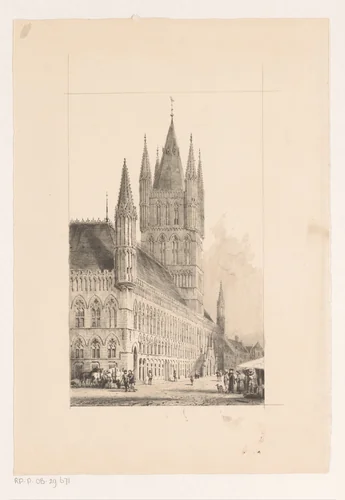
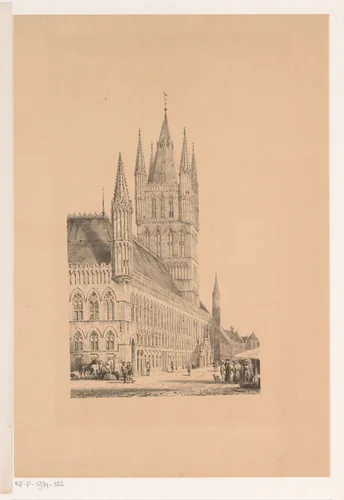
Springer specialized in capturing the complex interplay of light and shade across vast, often ornate, structures—particularly church portals and historic public squares. His technique involved painstaking accuracy in rendering brickwork, stonework, and vanishing points, lending his canvases and graphic works a precision that often rivals early photography. Works such as Gezicht op een kerkportaal and Verkopers voor een kerkportaal perfectly exemplify this focus, placing the viewer directly before monumental architecture populated by precisely scaled figures who suggest the rhythm of daily life.
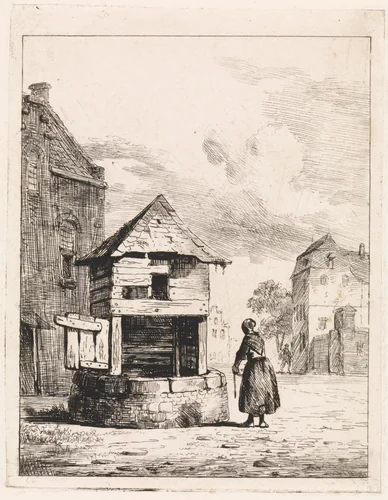
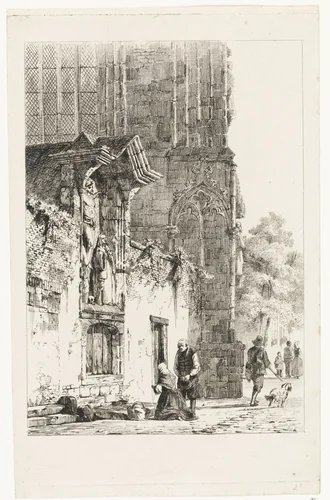
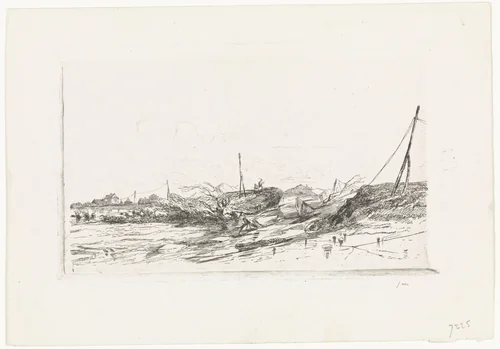
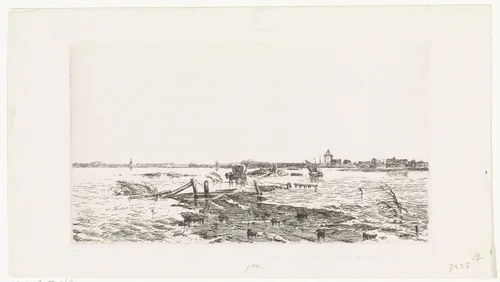
While his surviving corpus includes defining examples of painting, a notable portion of his output encompassed graphic media; collections often feature over a dozen Cornelis Springer prints. These graphic works and oils reveal a consistent thematic focus on genre scenes situated within architectural settings, utilizing small figures—such as the Meisje bij een waterput or the devoted Vrouw knielend voor een kapelletje—to provide human context and scale to the towering buildings.
A subtle but defining characteristic of Springer's method is his tendency toward compositional perfection. Unlike contemporaries who embraced spontaneous views, Springer often adjusted reality, creating composite scenes that presented the idea of a city block rather than a slavish topographical representation. He functioned, in effect, as an architectural idealist, carefully choreographing every shadow and figure to maximize aesthetic effect.
Today, Springer's legacy is maintained in major institutional holdings, notably at the Rijksmuseum. Due to the age of his material, a large quantity of his work resides in the public domain. This status ensures that even today, institutions and researchers can access high-quality prints and reproductions, allowing for the continued study and appreciation of his vital contribution to 19th-century realism.
Source: Wikipedia · CC BY-SA 4.0