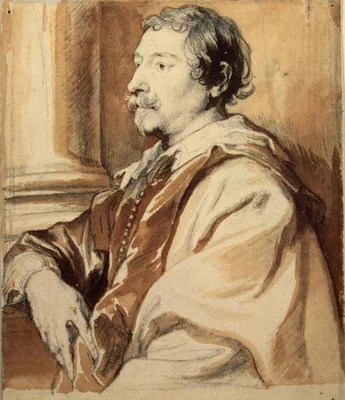
Cornelis Schut
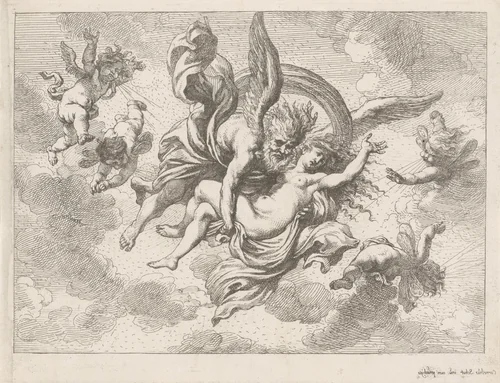
Cornelis Schut occupies a key position within the flourishing artistic output of 17th-century Antwerp. Active from 1597 until his death, he established himself as one of the region’s foremost history painters in the High-Baroque style. His technical fluency across media, including painting, drawing, and engraving, secured him a central role in delivering the grand narratives required by religious and courtly patrons. It is widely presumed that Schut received his initial training under Peter Paul Rubens, an association that provided the foundational dynamism and scale evident throughout his career.
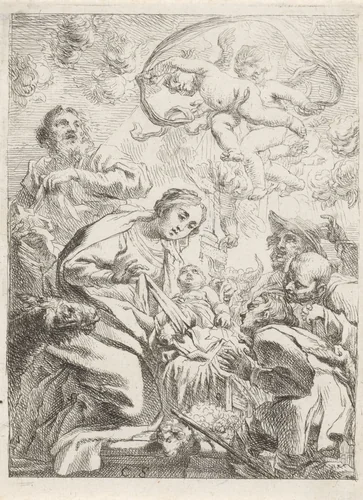
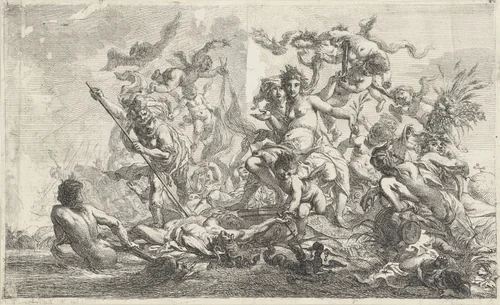
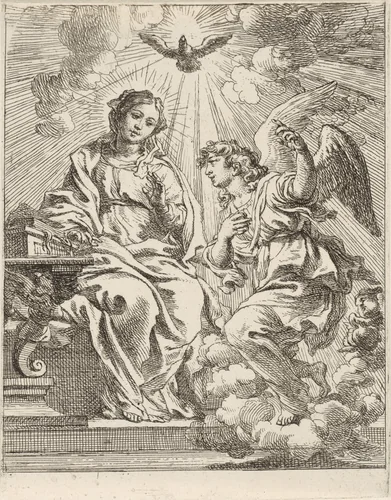
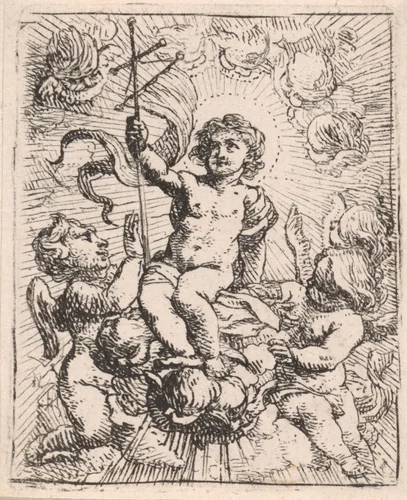
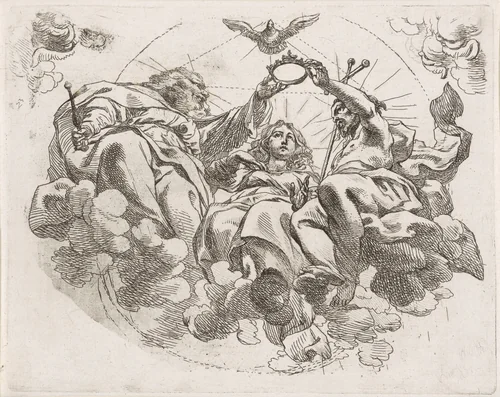
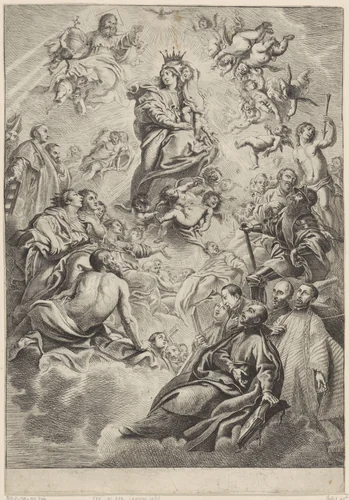
Schut’s artistic trajectory was critically shaped by an extended period spent working in Italy. This exposure cemented his commitment to the dramatic intensity, robust forms, and calculated theatricality typical of the High-Baroque. Upon returning to Antwerp, Schut became a leading exponent of the period’s dominant religious fervor, treating numerous Counter-Reformation subjects with emphatic energy designed to inspire awe and devotion. Yet, his talents were not strictly confined to the sacred; Schut demonstrated equal vigor in mythological narratives, creating complex compositions like Neptune with Two Horses on the Sea, which showcases his mastery of dynamic form and movement. His utility extended even further, engaging in the less glamorous but highly necessary field of tapestry design, confirming his status as a complete artistic professional.
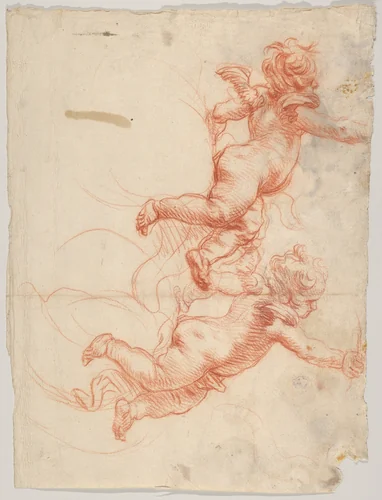
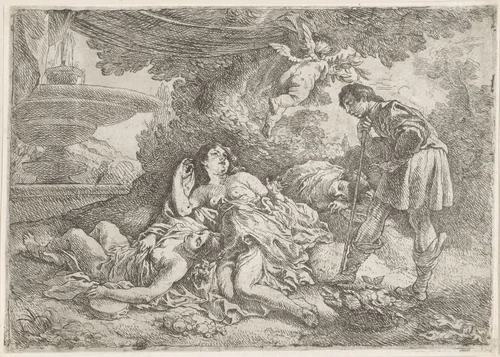
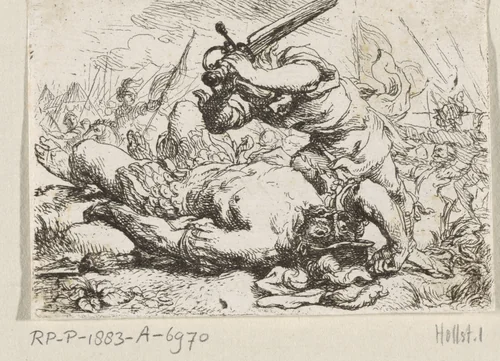
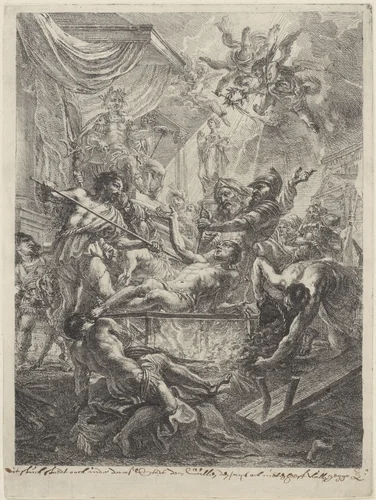
Schut’s oeuvre is notably diverse in subject matter and scale. From the didactic precision of works such as Grammatica to the profound moralizing power of the Allegory of Vanity, his output provided a comprehensive visual education for his audience. A curious observer might note that while Schut expertly executed the dramatic, overwhelming scale inherited from the Rubens workshop, his own figures sometimes possess a slightly more refined, almost theatrical grace, allowing light to fall on them with calculated elegance.
Today, Schut’s importance is reflected by his representation in major institutional holdings globally, including the Metropolitan Museum of Art, the Rijksmuseum, and the Art Institute of Chicago. The technical brilliance of Cornelis Schut prints and drawings remains accessible to a wide audience; many of these historical works are now in the public domain, offering downloadable artwork for scholars and enthusiasts seeking museum-quality reproductions.
Source: Wikipedia · CC BY-SA 4.0