Cornelis Pronk
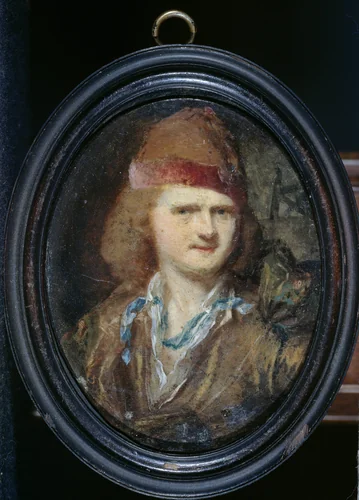
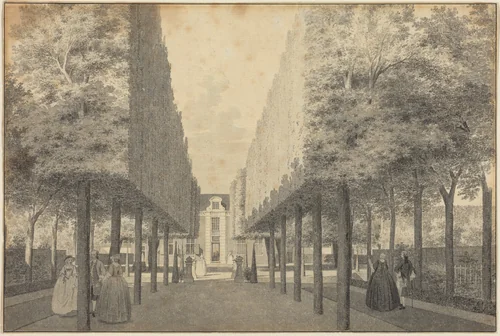
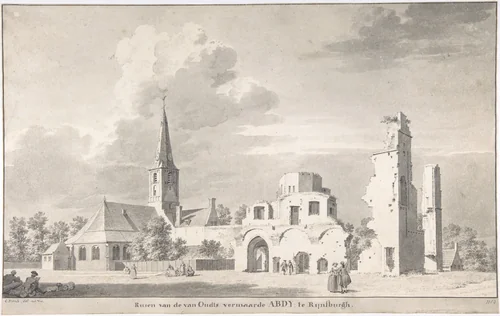
Cornelis Pronk (1701-1753) stands as one of the pre-eminent visual chroniclers of the Netherlands during the first half of the eighteenth century. Recognized primarily as a gifted draughtsman, he was also an active painter and a highly influential porcelain designer. Pronk established a foundational body of topographical art, documenting the rapidly evolving cities, towns, and architectural landmarks of the transitional period following the Dutch Golden Age.
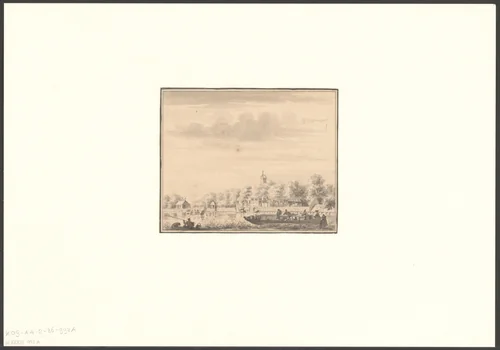
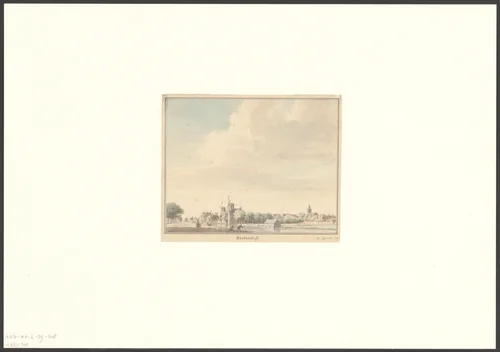
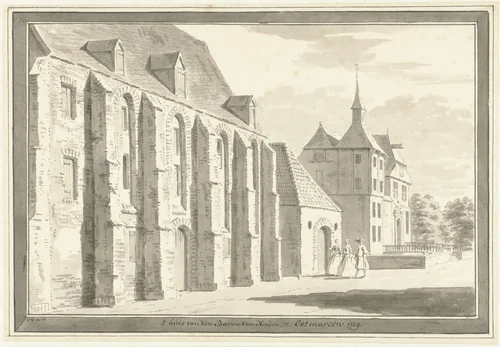
The significance of Pronk’s artistic output rests squarely in its volume and rigorous archival quality. Unlike those who favored imaginative capricci, Pronk applied an almost scientific standard to observation, ensuring his drawings functioned simultaneously as sophisticated art and invaluable historical documents. His dedication to mapping the built environment cemented his reputation among both municipal patrons and private collectors, who relied on his precise representations of waterways in works like Gezicht op de Amstel and detailed structural views such as Gezicht op de kerk en het huis te Ootmarsum. This comprehensive record-keeping preserved views that have long since been altered or lost.
Pronk’s artistic versatility extended beyond ink and watercolor. He is credited with introducing innovative designs for porcelain, particularly those intended for export via the Dutch East India Company (VOC). This engagement in the decorative arts added a surprising layer of global commerce to his otherwise localized oeuvre. It is perhaps a gentle irony that the artist so devoted to accurately recording immovable Dutch architecture was also responsible for designing some of the era's most delicate, transportable luxury goods.
Today, the meticulous detail captured in original drawings and early Cornelis Pronk prints remains a vital resource for cultural historians and art enthusiasts. Due to their status, many of his works now circulate in the public domain, making high-quality prints and downloadable artwork widely accessible. This dedication to clarity and documentation ensures the enduring legacy of his pieces, which reside in institutional collections including the Rijksmuseum, the Metropolitan Museum of Art, and the National Gallery of Art, affirming his lasting museum-quality importance in the history of Dutch draftsmanship.
Source: Wikipedia · CC BY-SA 4.0