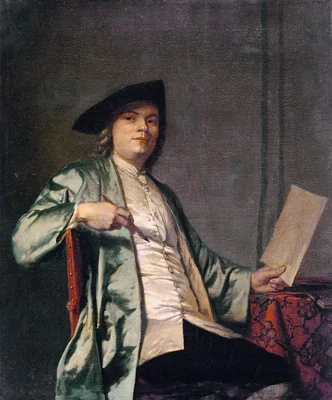
Cornelis Ploos van Amstel
Cornelis Ploos van Amstel (1726–1798) occupied a unique and influential position within eighteenth-century Dutch cultural life, distinguished equally as a refined painter and a passionate art collector. His significance rests not just on his own artistic output, but also on his influential role as a preserver and cataloger of the nation's artistic heritage during a period of considerable cultural transition.
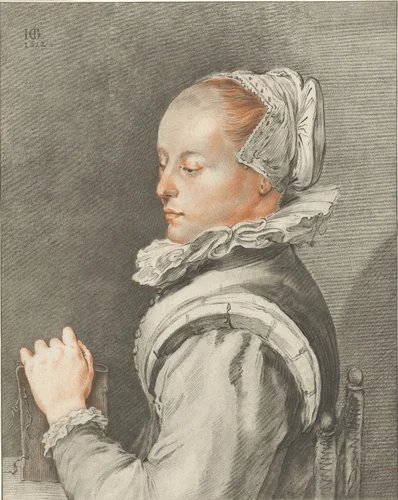
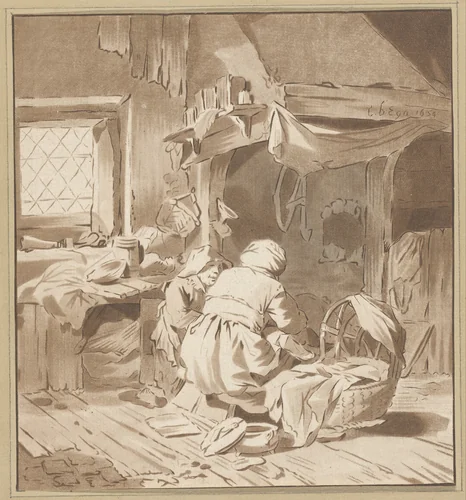
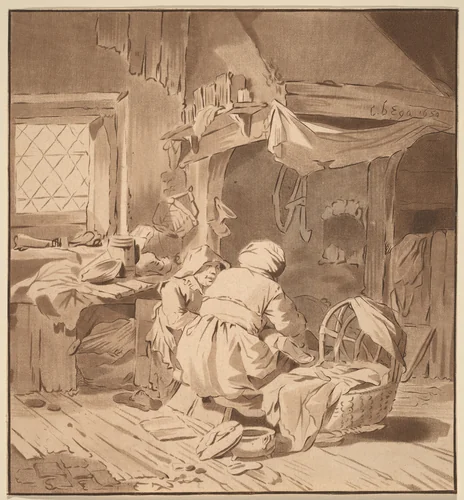
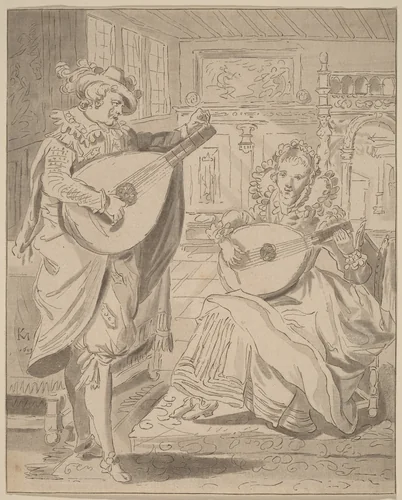
Though his active printmaking years were concentrated between 1736 and 1748, Ploos van Amstel’s artistic sensibilities remained deeply rooted in the established genre traditions of the previous century. His known artistic catalog, comprising approximately fifteen major prints, demonstrates a fascination with intimate domestic scenes and robust tavern life, reminiscent of figures like Adriaen van Ostade. Works such as Dame bij kaarslicht and the repeated study of a Drinkende man zittend op een ton capture this detailed, atmospheric approach to everyday subject matter.
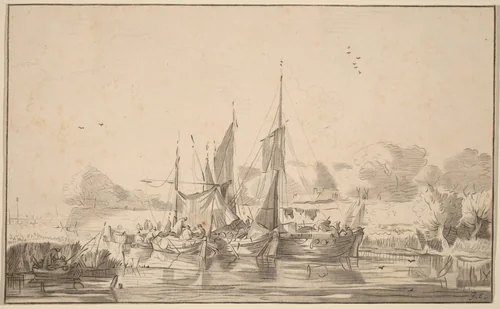
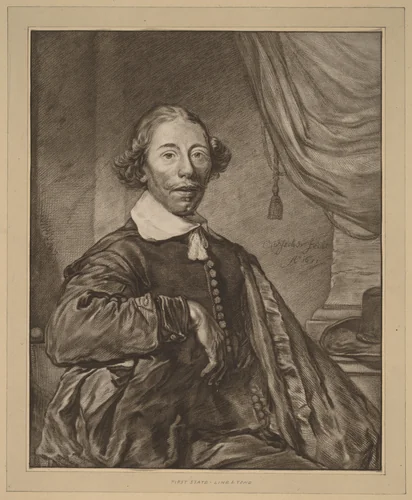
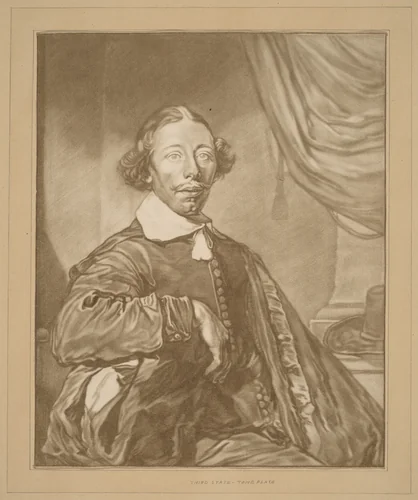
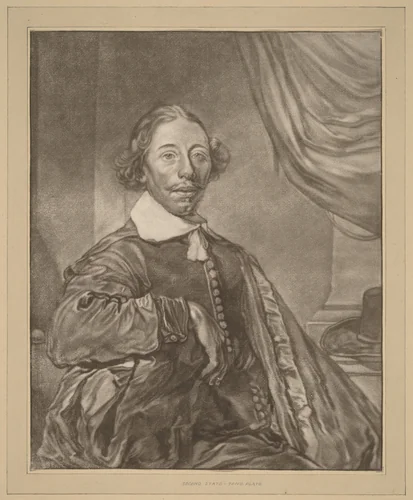
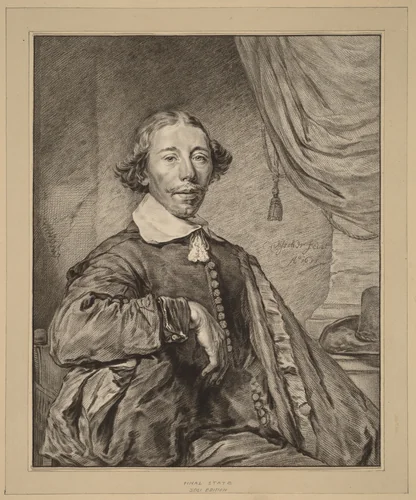
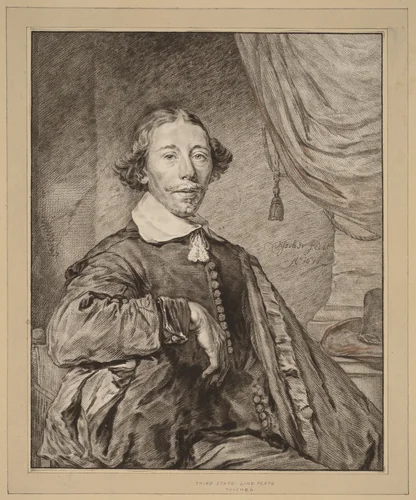
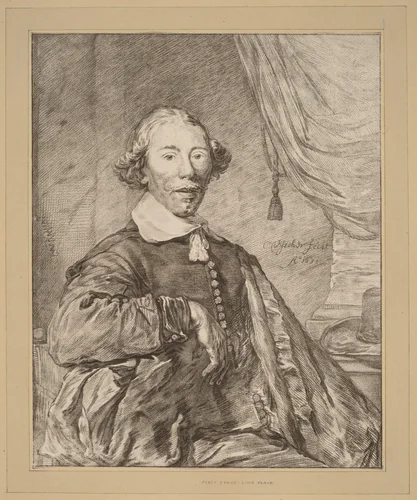
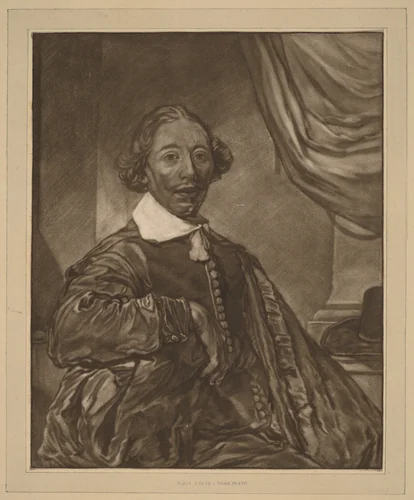
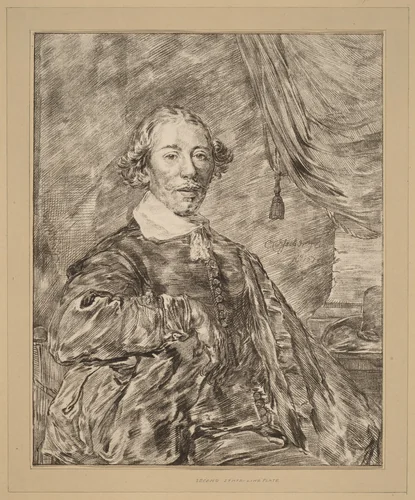
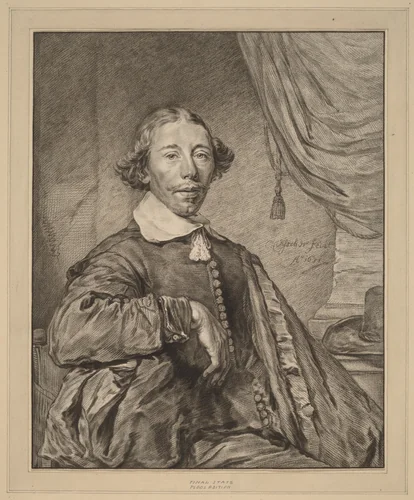
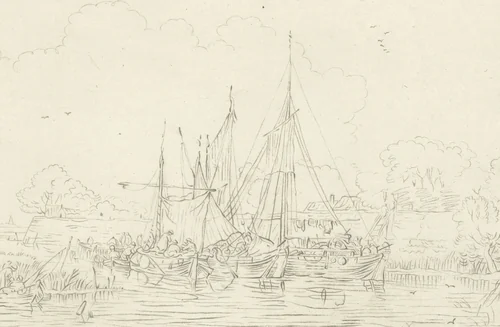
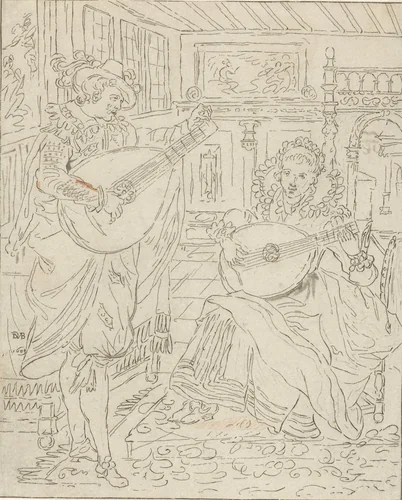
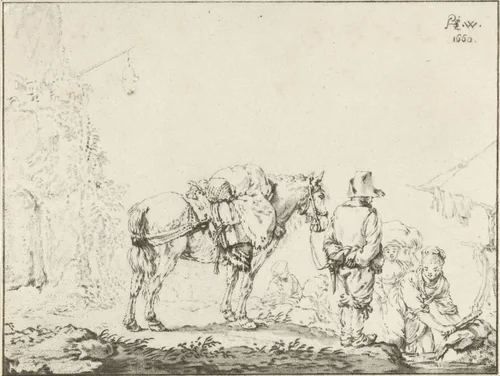
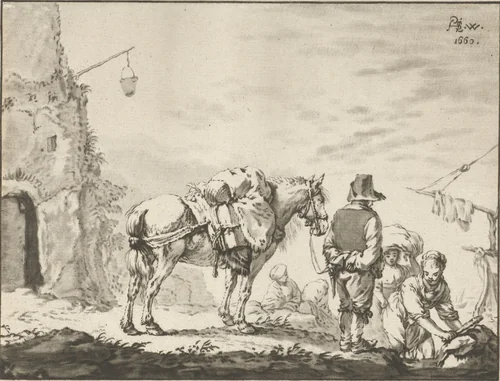
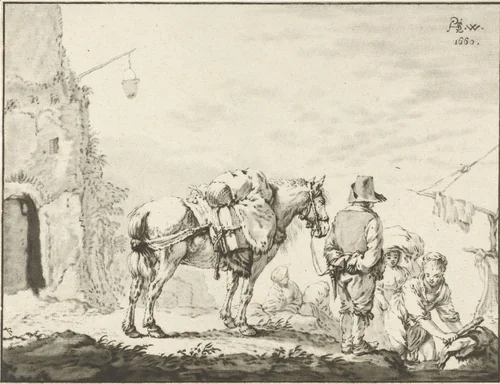
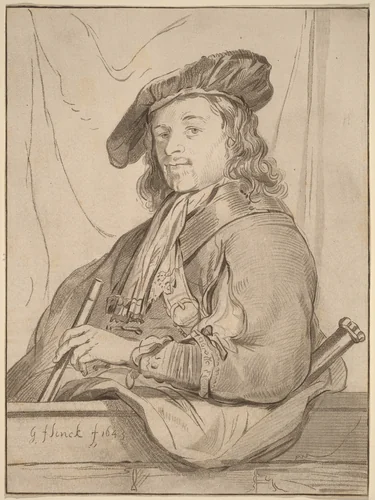
Ploos van Amstel was particularly recognized for developing sophisticated etching and stipple techniques designed specifically to reproduce the delicate texture and subtle coloration of old master drawings. This technical innovation allowed him to translate fragile, original works into durable, museum-quality prints that could be appreciated by wider audiences and collectors, a service that proved critical for the appreciation of earlier Dutch masters. His efforts to reproduce these works means that much of his enduring legacy is tied to the concept of artistic dissemination, ensuring that visual culture he championed remains widely available today.
Beyond his direct output, Ploos van Amstel was a dedicated and influential connoisseur who amassed a remarkable collection of drawings and paintings, cementing his status as a major figure in the Amsterdam art market. His keen eye for quality ensured the preservation of numerous important works, many of which now reside in national collections, including the Rijksmuseum. He was reportedly known for being intensely private about his collecting methodology, often outmaneuvering rivals at auction by employing discreet agents. Because of the lasting quality of his reproductive output, many of these historically important images are available as high-quality prints, providing researchers and enthusiasts with royalty-free access to images otherwise lost to private collections or time.
Source: Wikipedia · CC BY-SA 4.0