Cornelis Galle
The name Cornelis Galle signifies not a singular master, but a dynasty of three highly accomplished engravers who exerted considerable influence over printmaking in the Low Countries across the seventeenth century. Cornelis Galle I (1576-1650), the founder of this prolific artistic lineage, established the family reputation for producing precise, museum-quality prints, specializing initially in reproductive engraving. His active period, beginning in the late sixteenth century, coincided with the zenith of Antwerp’s status as a European hub for graphic arts publication, placing him at the center of innovation and distribution.
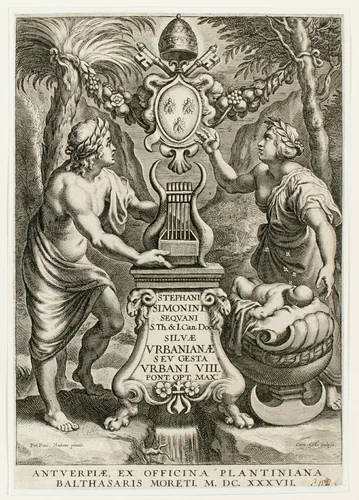
The body of work attributed to the elder Galle includes masterful portraiture, a crucial service in an age dependent on physical prints for reputation and recognition. His meticulous plates capture the intellectual vigor of their subjects, exemplified by the detailed depiction of Balthasar Moretus of Antwerp and the sharply rendered likeness of Leonard Lessius, Jesuit Priest, Professor at Louvain. Such works were vital instruments of cultural communication, translating major oil paintings and drawings into accessible, widely available graphic media that shaped popular perception.
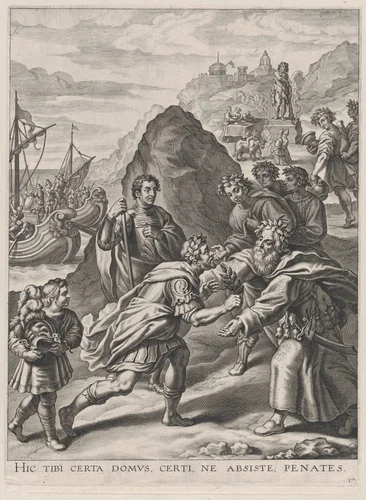
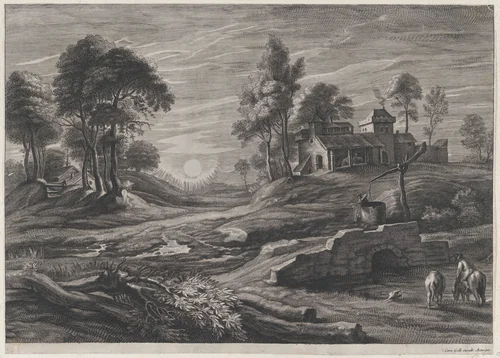
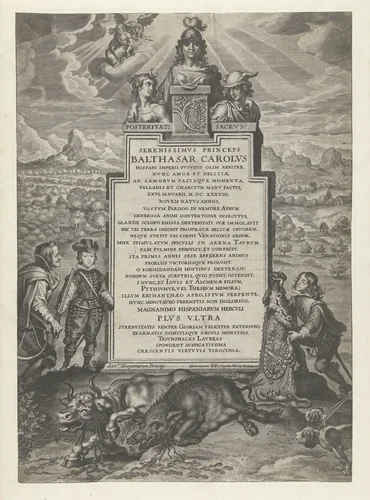
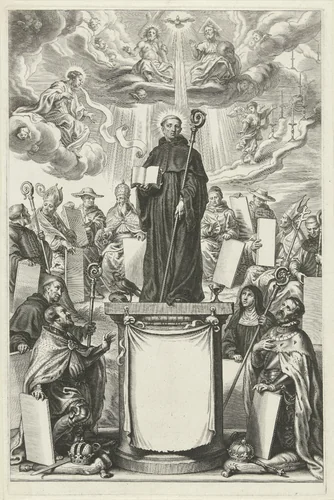
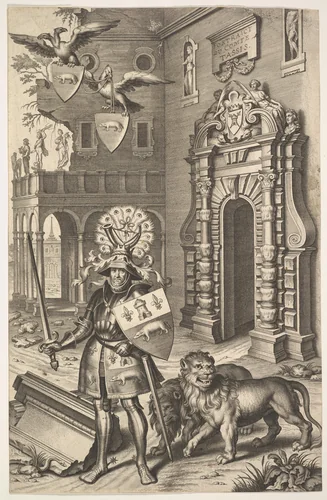
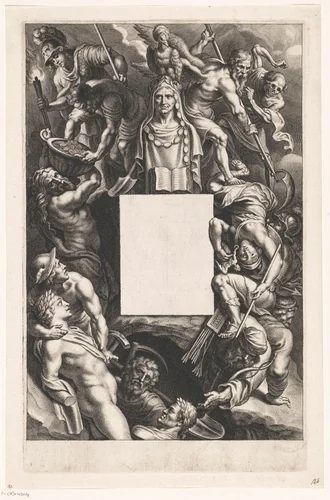
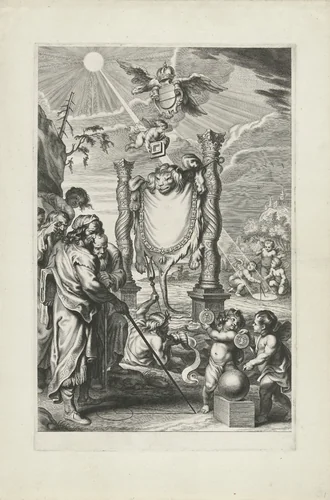
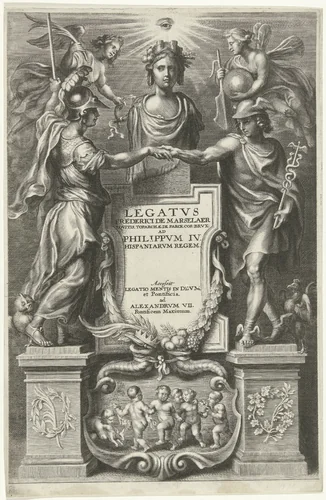
It is perhaps the greatest subtle challenge for contemporary scholarship to definitively distinguish the output of Cornelis I from that of his son, Cornelis Galle II (1615-1678). While the father’s hand defined the technical precision of the first half of the century, the son successfully maintained the family workshop’s influence and technical excellence for decades after, ensuring that the Galle name remained synonymous with dependable, skilled etching and engraving. This continuity allowed the Galle studio to participate successfully in the era’s vast commercial network, producing both commissioned portraits and complex narrative pieces like Landschap met Christus en de discipelen.
The collective legacy of the Galle family is attested by their enduring presence in major collections worldwide, including the Rijksmuseum, the Metropolitan Museum of Art, and the National Gallery of Art. Their continuous production cycle provided an essential service to the European art market and guaranteed the broad circulation of important images. Today, many of the Galle family’s most significant images are in the public domain, allowing institutions and the public alike access to these powerful historical documents as downloadable artwork and high-quality prints.
Source: Wikipedia · CC BY-SA 4.0