Cornelis Engebrechtsz
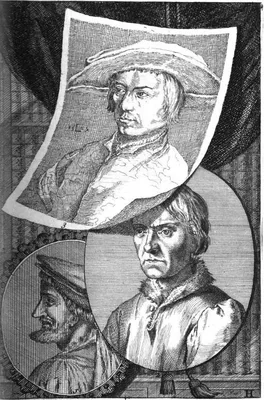
Cornelis Engebrechtsz (c. 1462-1527) holds a crucial, often underappreciated position in the history of Northern Renaissance painting, being widely regarded as the founding figure of the distinct Leiden school. Operating exclusively within his native city until his death, Engebrechtsz. established an influential studio practice and produced intense devotional works that shifted the visual focus of religious painting from large-scale theological narrative to emotional intimacy and dramatic characterization.
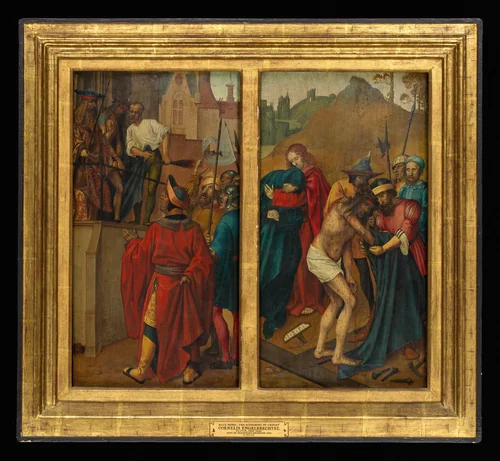
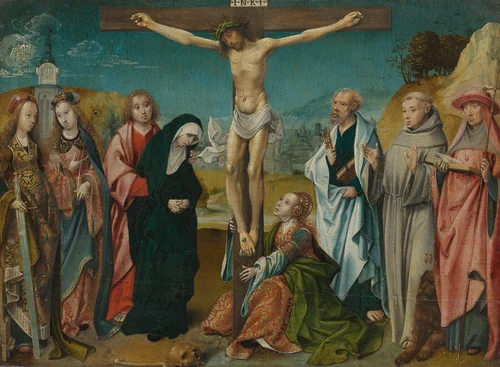
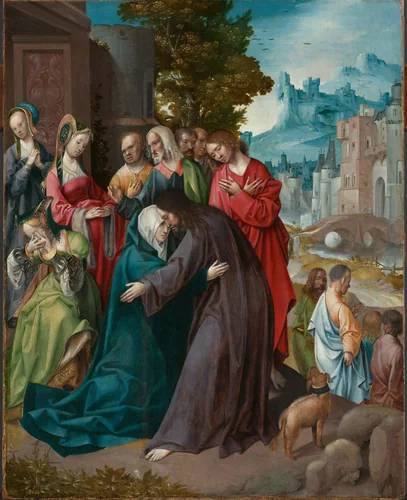
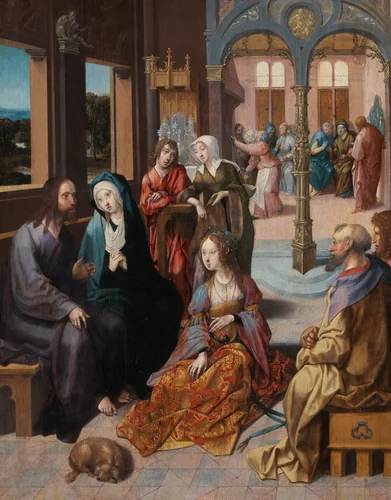
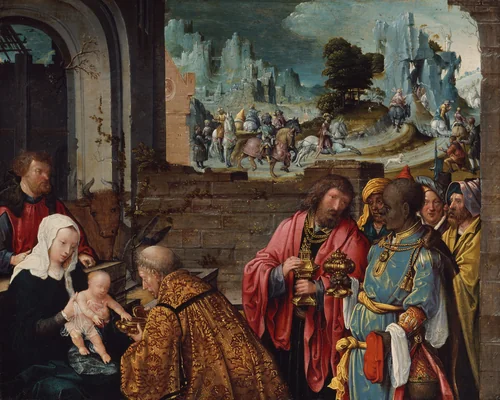
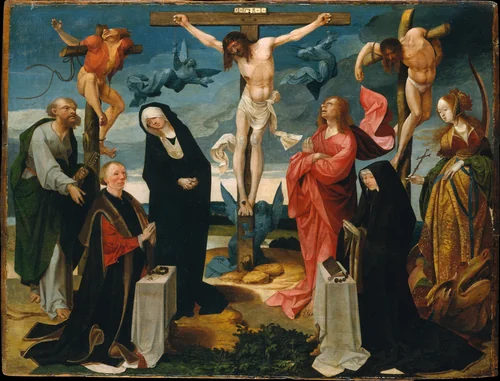
His artistic output, while limited in number, reveals a mastery of detail and deeply affective compositions typical of early Dutch painting. Major surviving works, highly valued as museum-quality objects, include the complex diptych components Ecce Homo and The Disrobing of Christ, which exhibit his interest in dynamic, layered figure groupings. The multi-panel altarpiece Christ on the Cross, with Mary, John, Mary Magdalene and Sts Cecilia and Barbara (left) and Peter, Francis and Jerome (right) further demonstrates his ambition to embed theological drama within crowded, emotionally charged architectural settings. Other significant Cornelis Engebrechtsz paintings, such as Christ Taking Leave of his Mother and Christ’s Second Visit to the House of Mary and Martha, illustrate his particular skill in handling the human element of sacred interactions.
Engebrechtsz.’s primary, and perhaps most enduring, impact lay in his role as a pedagogue. His studio served as the major training ground for the next generation of Leiden masters, including Aertgen van Leyden and his own sons, Cornelis, Lucas, and Pieter Cornelisz. Kunst. Most pivotal among his students, however, was Lucas van Leyden, the true phenomenon of early 16th-century printmaking and painting. It remains one of the fascinating ironies of art history that the very master who launched the Leiden tradition was eventually eclipsed in historical acclaim by his brilliant protégé.
Today, Engebrechtsz.’s works are cornerstone examples of early Dutch painting held in prestigious institutions globally, including the Rijksmuseum, the Metropolitan Museum of Art, and the Art Institute of Chicago. As his works transition into the public domain, high-quality prints and downloadable artwork ensure that the foundational master of Leiden continues to be accessible for scholarly study and general appreciation.
Source: Wikipedia · CC BY-SA 4.0