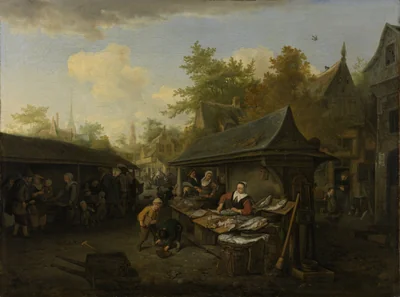
Cornelis Dusart
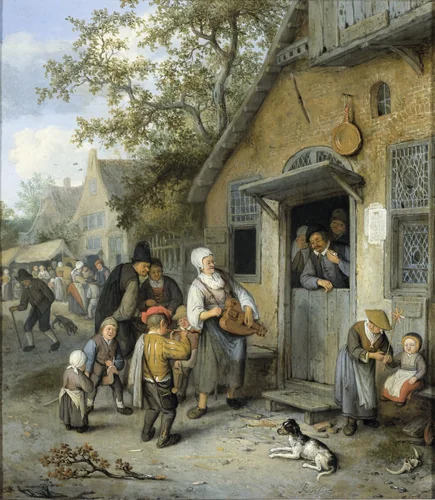
Cornelis Dusart was a highly accomplished Dutch artist whose output primarily centered on graphic media during the latter half of the seventeenth century. Operating during the final flourishes of the Dutch Golden Age, Dusart distinguished himself as a skilled genre painter, drawer, and particularly, a prolific printmaker. Active primarily between 1660 and 1670, his focused contribution through etched and drawn works established his reputation for lively, detailed depictions of contemporary life, moving beyond idealized subjects to capture the vigor of the street and the home.
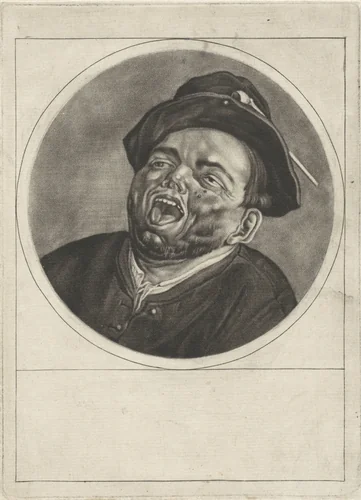
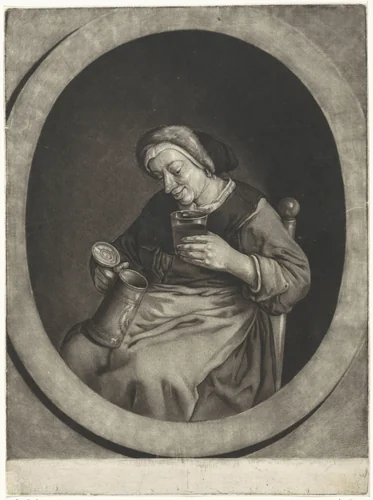
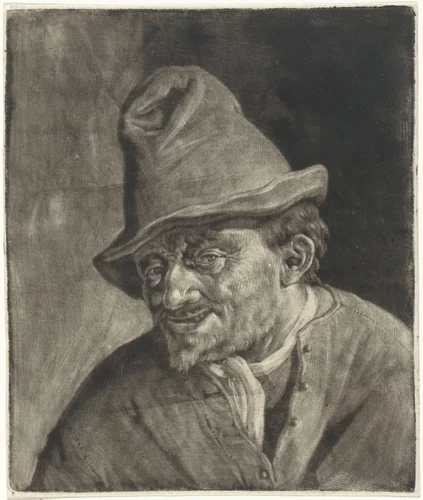
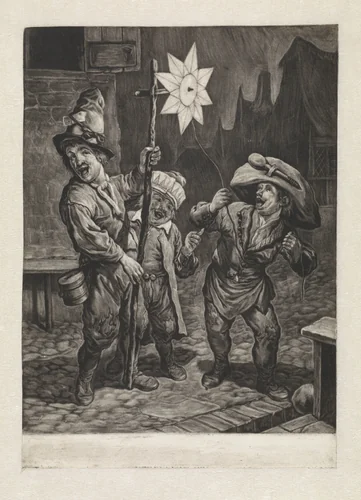
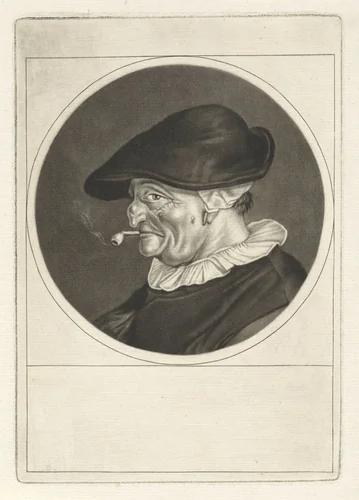
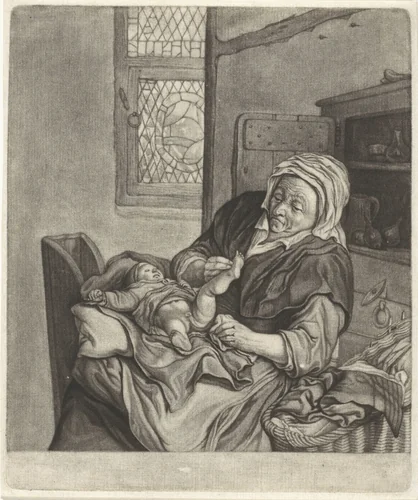
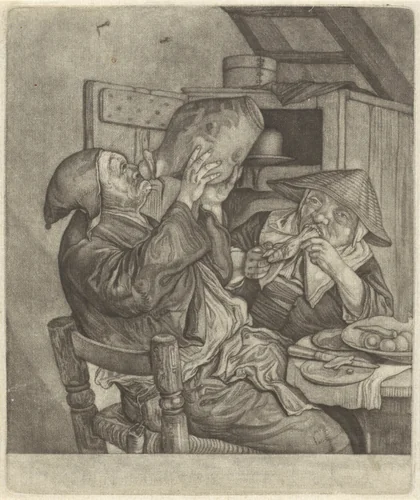
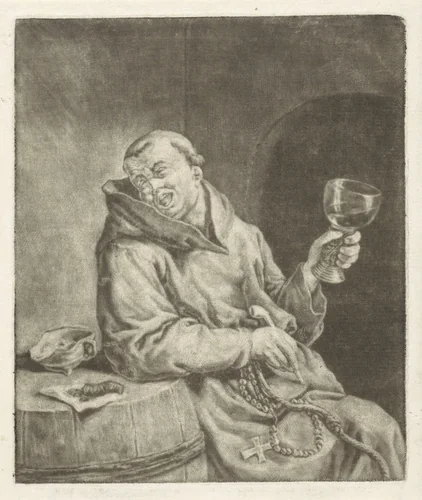
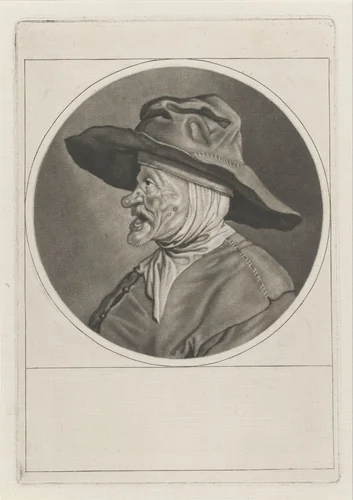
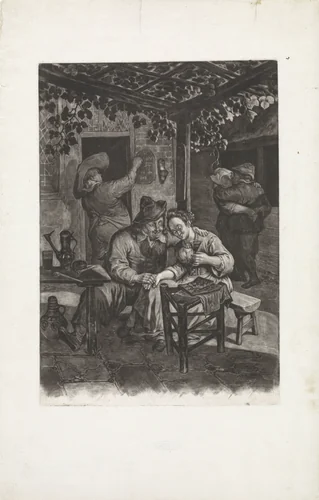
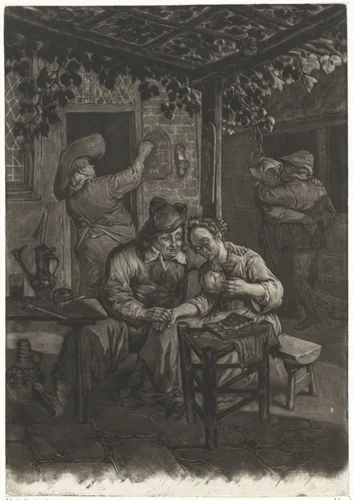
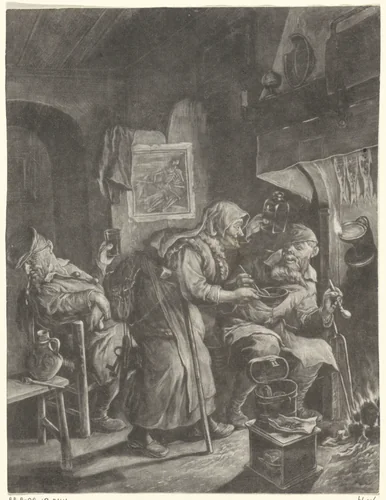
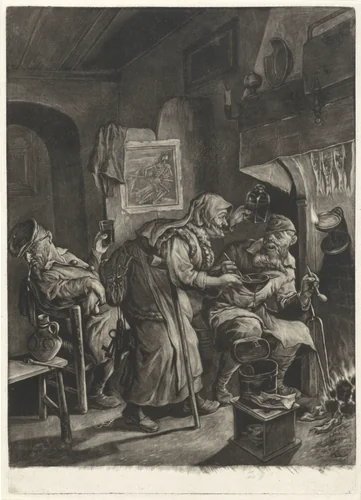
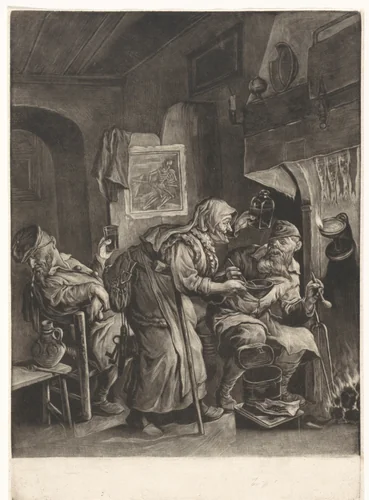
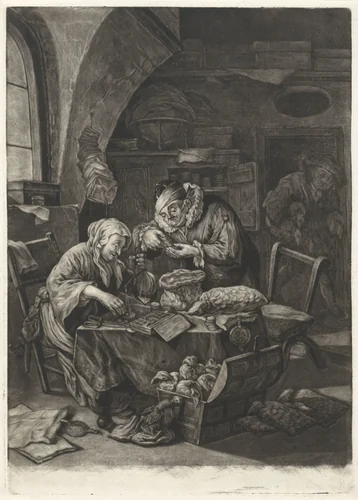
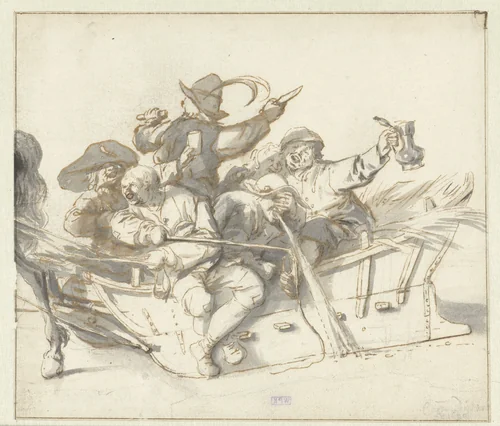
Dusart specialized in intimate genre scenes, capturing the common pleasures, minor moral dramas, and quotidian routines of his time. His surviving graphic inventory includes approximately ten known prints and five drawings, demonstrating a vigorous realism coupled with a sense of warm, often slightly satiric, observation. The subjects frequently involve tavern life, rustic figures, or everyday entertainment, showcasing an engagement with social types prevalent in Dutch art of the period. The title Cereris Bacchique Amicus (A Friend of Ceres and Bacchus), for instance, suggests a lighthearted application of classical allegory to the mundane activities of drinking and feasting, a persistent motif found within his work.
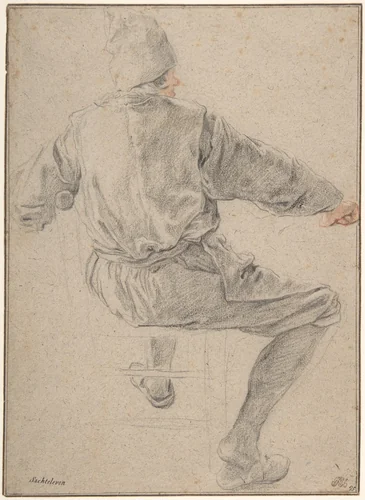
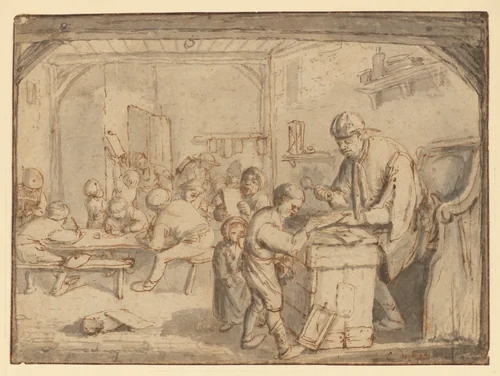
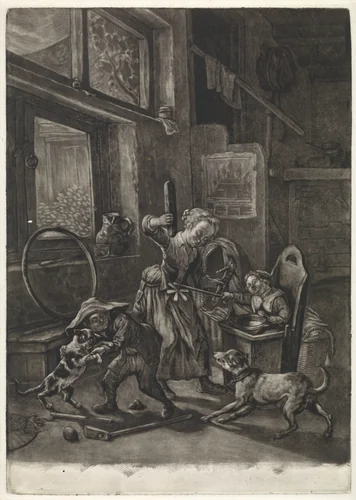
Dusart exhibited technical mastery over line work and tonal variation in compositions like the seasonal study July and the complex street scene A Young Man with a Peepshow and a Dog. His precision confirms his technical prowess and his ability to render dynamic, multi-figure narratives within the compact space of a print. It is perhaps a subtle indicator of his recurring interest in common humanity and social interaction that the title Biecht (Confession) appears more than once in the recorded database of his work.
The historical significance of his work lies in its detailed documentation of 17th-century life, confirming his place among the foremost Dutch graphic artists of his generation. Institutions such as the Rijksmuseum and the National Gallery of Art hold prime examples of his oeuvre, ensuring the continuous study of Cornelis Dusart prints. Many of these historically significant works, recognized for their quality and detail, are now entering the public domain. This accessibility ensures that museum-quality renderings and high-quality prints remain widely available for contemporary audiences and scholars.
Source: Wikipedia · CC BY-SA 4.0