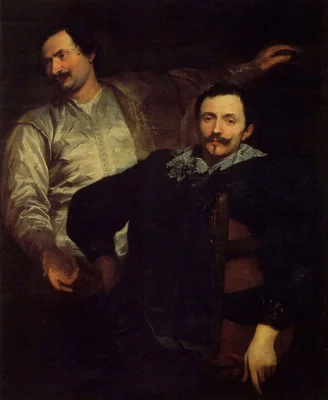
Cornelis de Wael
Cornelis de Wael was far more than a conventional painter. A quintessential figure of the early seventeenth century, he successfully navigated the worlds of art creation, commerce, and international diplomacy. Though Flemish by birth, De Wael made Genoa, Italy, his primary base of operations, transforming the city into an essential nexus for artistic dialogue. He was not merely a resident artist; his established position as an engraver, painter, and sophisticated art dealer ensured he played a crucial role in managing the significant artistic exchange between Flanders and Italy during the first half of the century.
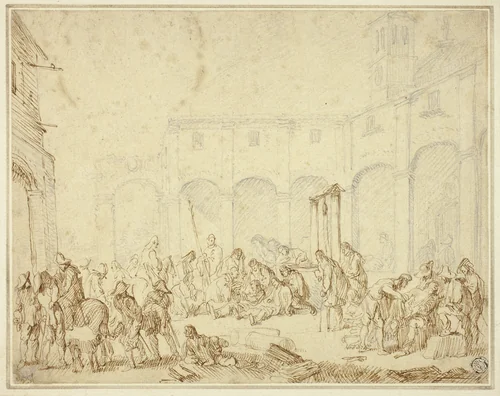
De Wael’s artistic output was notably varied, encompassing history paintings, still lifes, and, most distinctively, genre scenes and dramatic battle compositions. While many contemporaries in Italy focused on classical idealism, De Wael possessed a keen eye for the gritty reality of everyday life and conflict. His compositions, such as the dramatic Wounded Soldiers in a Courtyard on Town Square, often captured human despair and irony with a severity that stood out against the prevailing decorative trends in Italian painting. It seems the market for straightforward mythological scenes was easily saturated; De Wael opted instead for the complexities of the human condition, often resulting in works that were unsettling, even for a public accustomed to the stark realism of Northern Europe. This powerful sensibility subsequently resonated with local artists, most notably Alessandro Magnasco, who adopted De Wael’s influence in capturing emotional intensity.
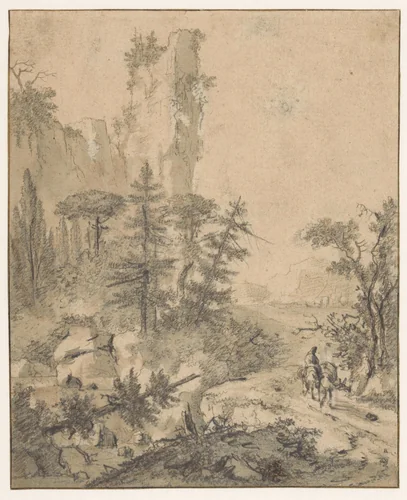
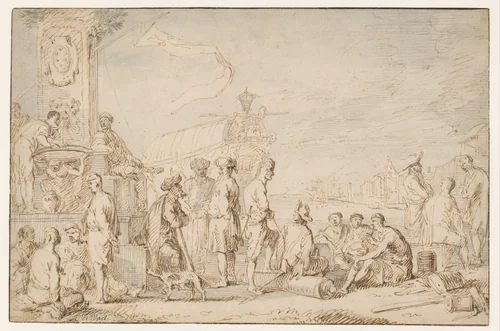
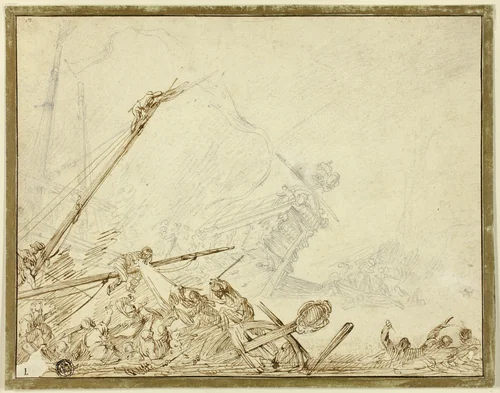
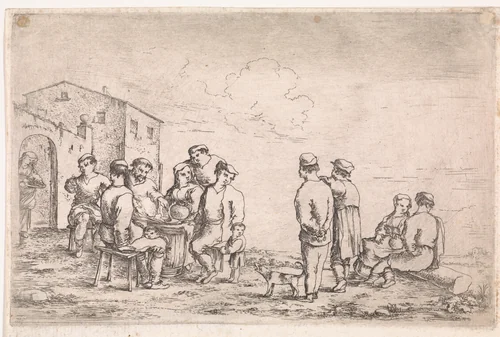
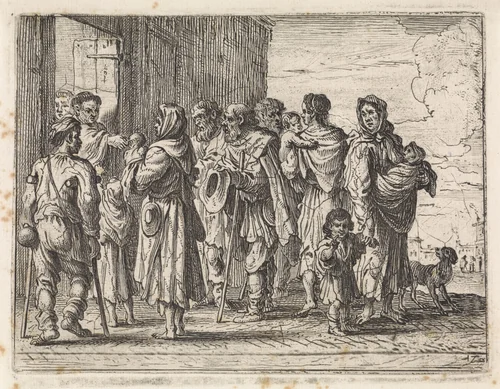
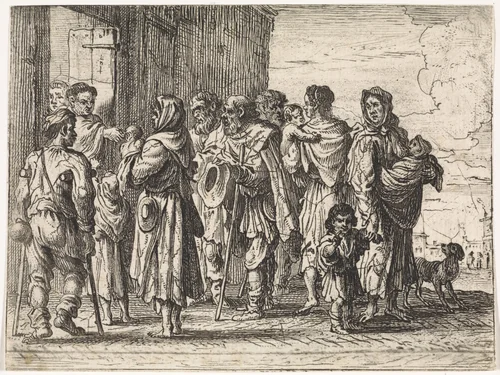
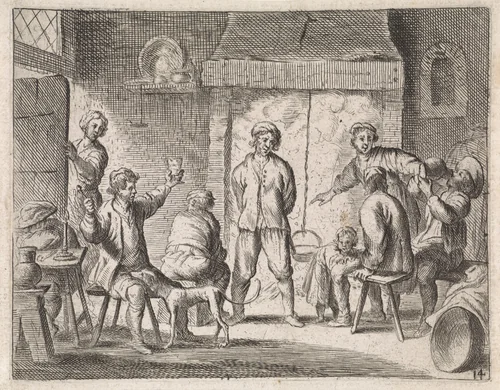
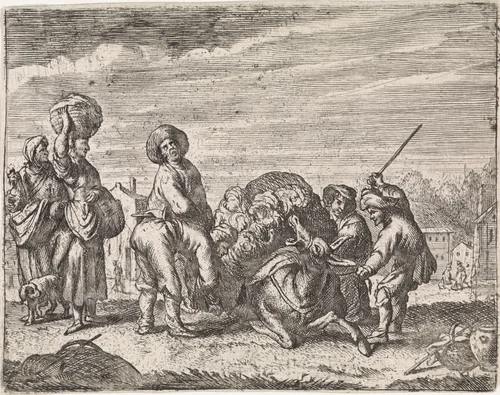
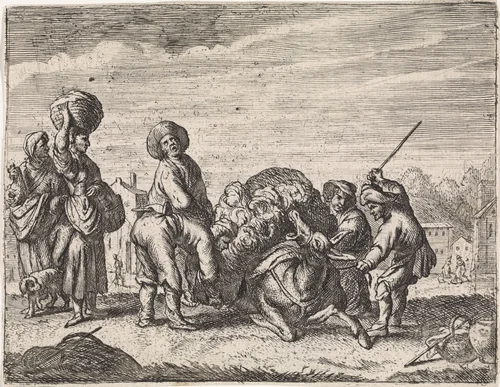
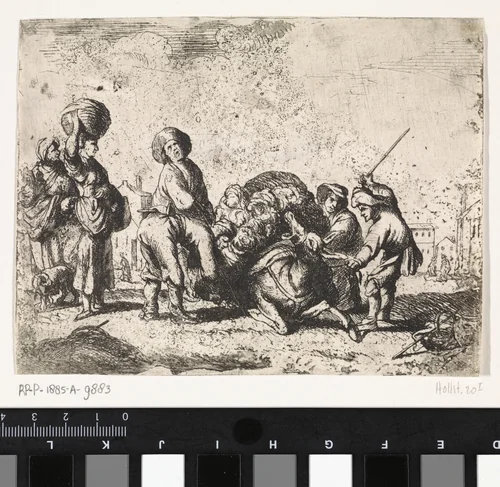
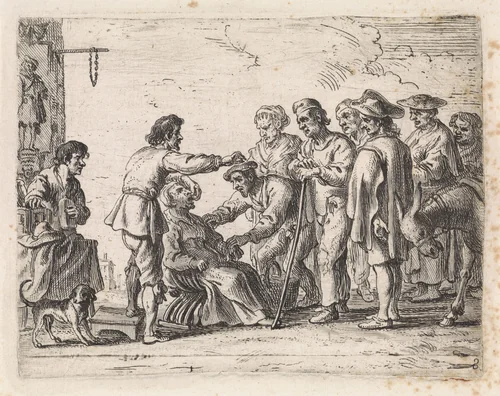
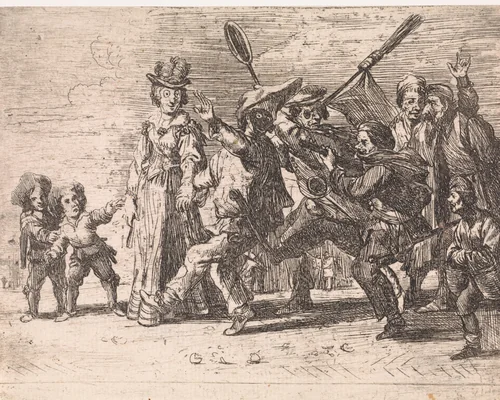
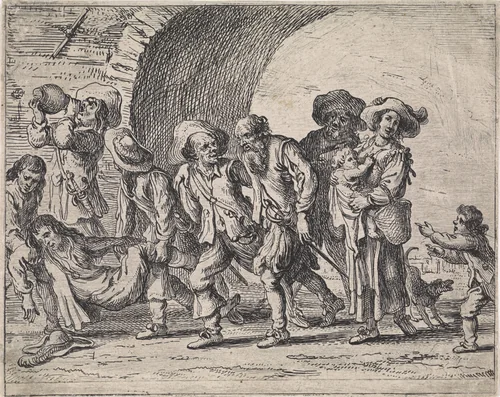
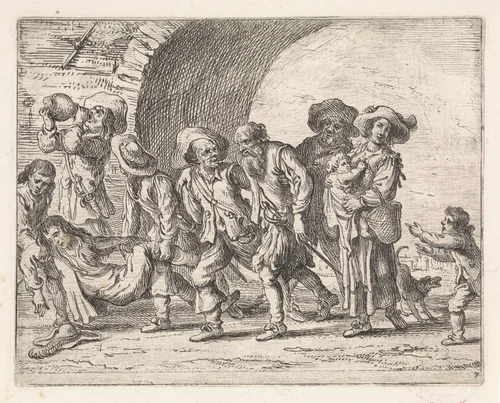
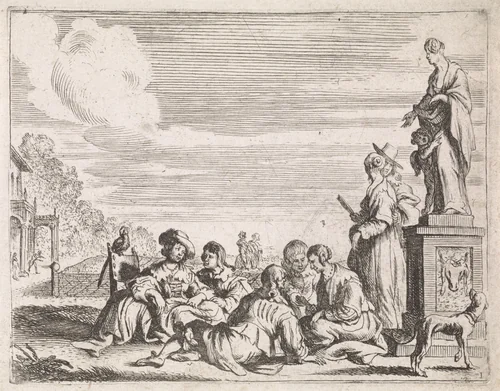
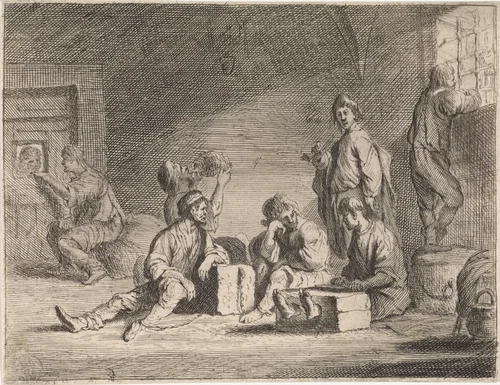
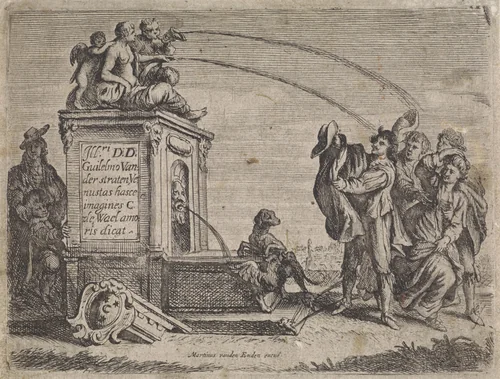
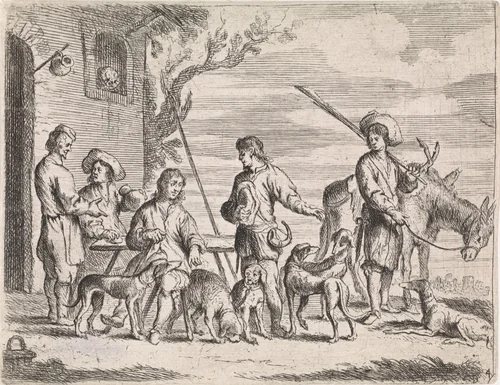
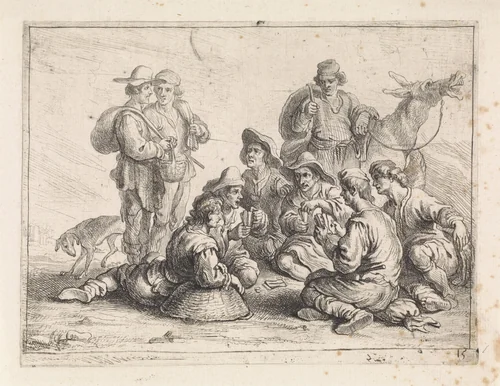
As an engraver, Cornelis de Wael prints, totaling eleven known examples in this collection, demonstrate his facility with narrative detail and atmospheric effects, ranging from the domestic Gezelschap buiten voor een herberg to the exotic vista of Oosterse zeehaven. His commitment to capturing immediate reality is consistent across his mediums, which also included four surviving drawings. Today, while significant original works reside in major institutions like the Rijksmuseum and the Art Institute of Chicago, a broader appreciation for his dynamic scenes, such as the dramatic Shipwreck or the more intimate Bergweg met man met twee muilezels, is made possible because many of his studies and engraved compositions are now in the public domain. These valuable holdings allow students and collectors to access high-quality prints and downloadable artwork, ensuring his influential contribution to seventeenth-century European art remains accessible for contemporary study.
Source: Wikipedia · CC BY-SA 4.0