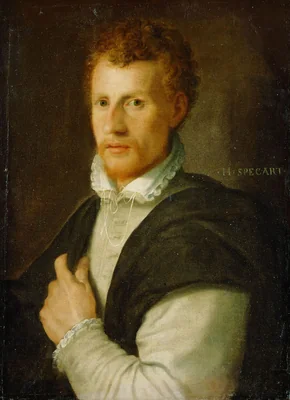
Cornelis Cort
Cornelis Cort (active 1500-1561) stands as a pivotal figure in the history of Northern European printmaking, recognized foremost as an accomplished Dutch engraver and draughtsman. His prolific output and technical dexterity in handling the burin made him instrumental in the sophisticated reproduction and circulation of key Renaissance compositions across Europe. Cort’s career provides an essential case study of artistic migration and cross-cultural influence during the mid-sixteenth century, demonstrating the crucial role played by printmakers in defining the era's visual lexicon.
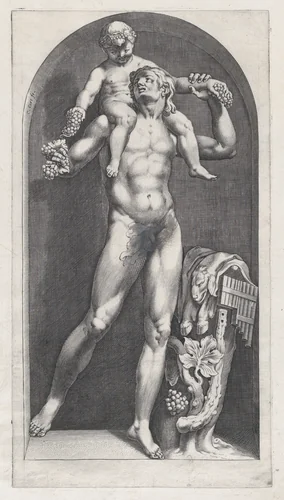
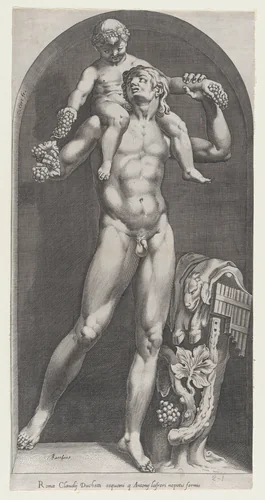
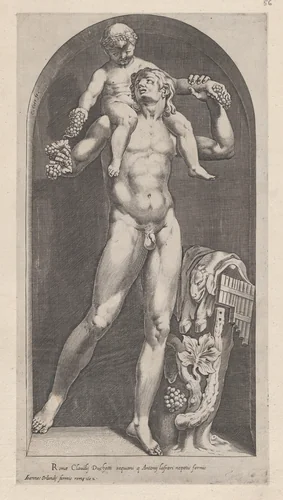
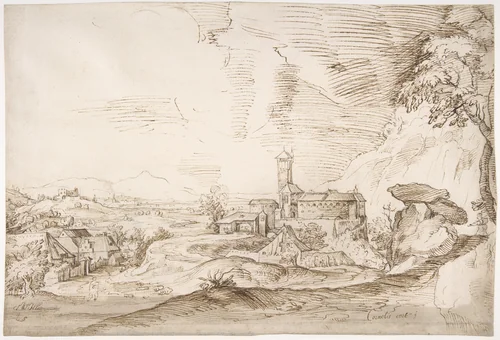
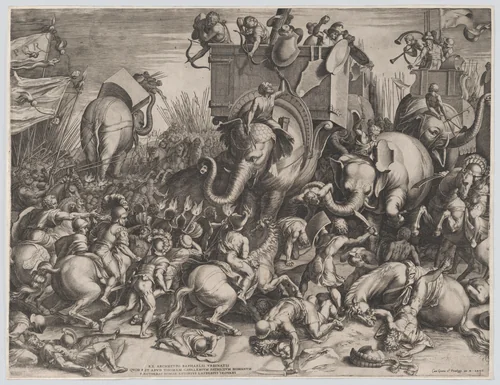
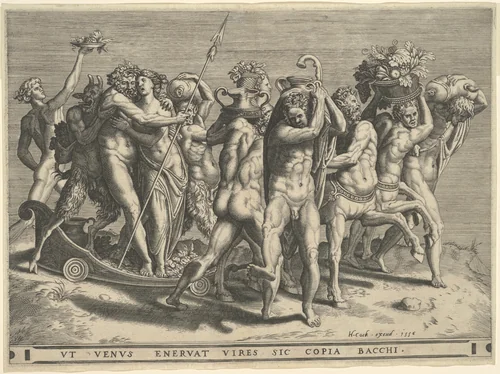
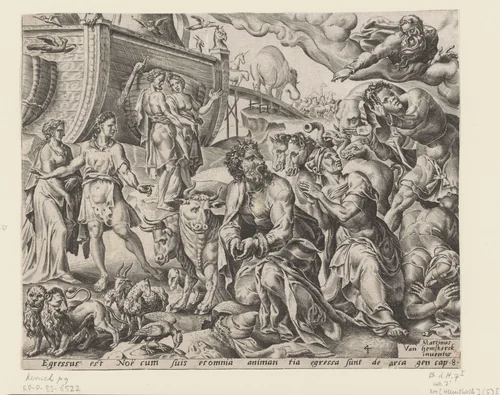
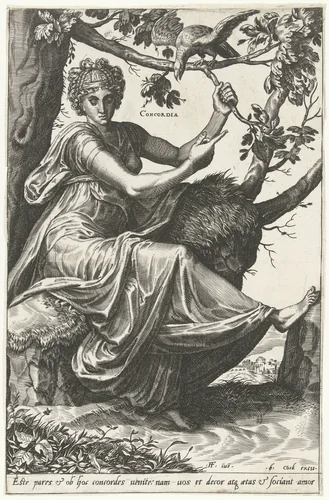
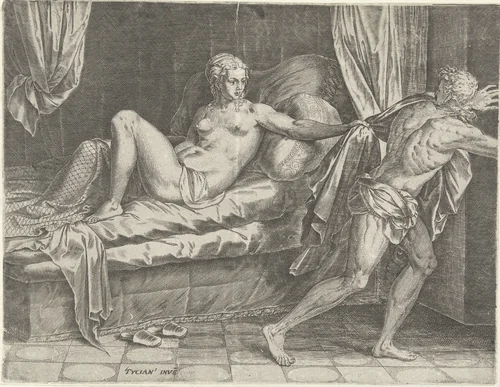
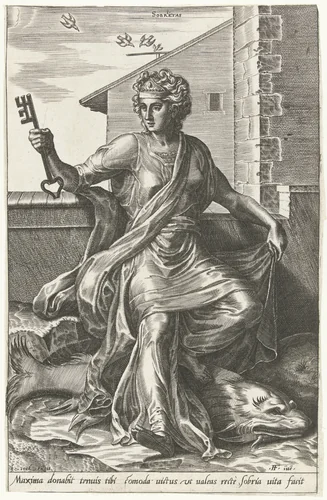
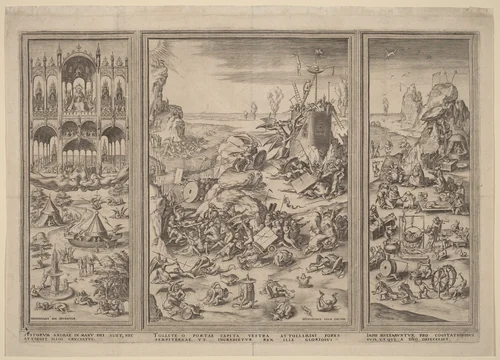
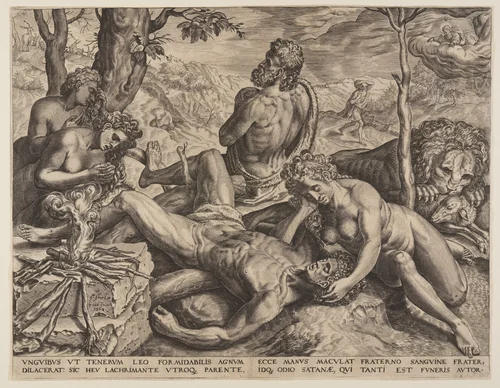
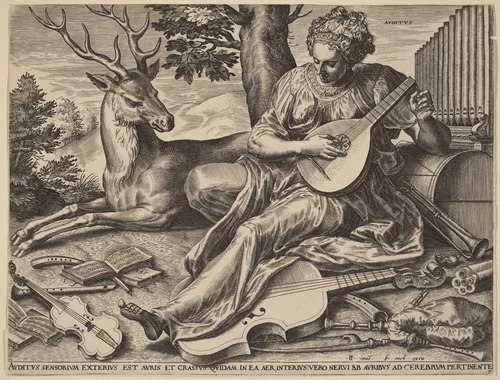
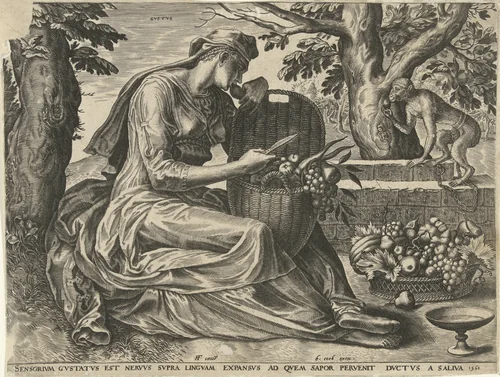
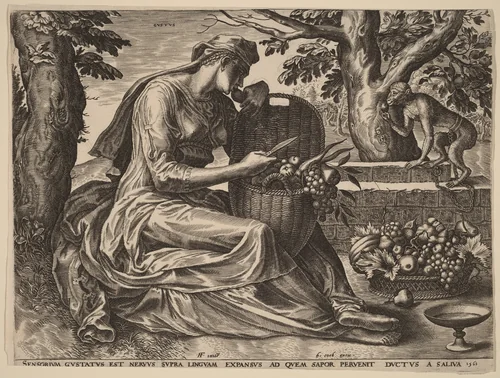
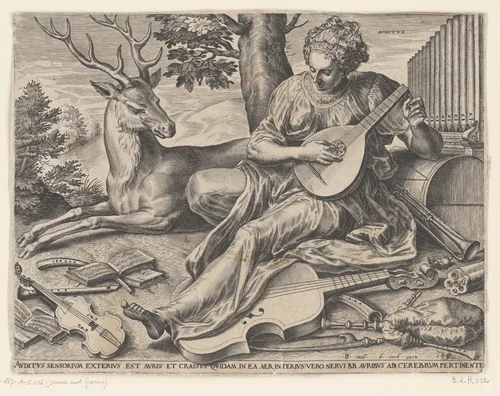
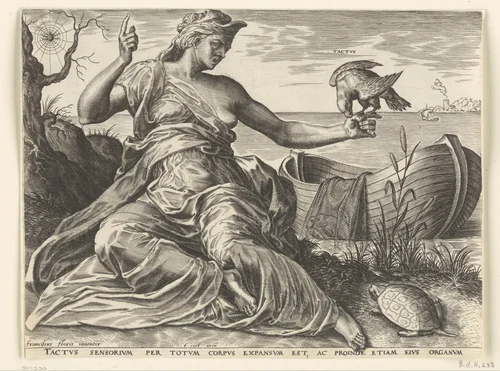
Cort’s skill was essential for disseminating the work of contemporary masters, making their complex figure studies and monumental designs accessible to a wider audience. He excelled in translating oil and fresco into detailed line work, allowing figures to retain their volumetric force and drapery its tactile quality. The versatility of his subject matter is evident in works ranging from the topographical Italian Landscape to mythological pieces like Bacchus on the Shoulders of a Satyr, which Cort produced in multiple exacting renditions for the collector market.
The latter portion of Cort’s active period was defined by his move south. Spending the final twelve years of his life in Italy, he was known affectionately as Cornelio Fiammingo, or ‘Cornelius the Fleming.’ This moniker suggests the degree to which this Northern master successfully integrated his technical brilliance into the high-stakes competitive environment of Rome, establishing powerful workshop relationships. Cort’s dedication to producing museum-quality impressions cemented his influence on a generation of younger artists, including Hendrick Goltzius.
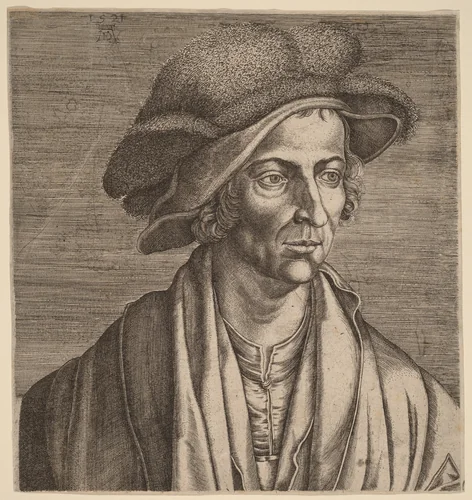
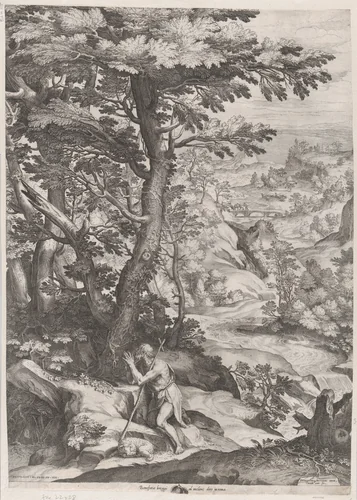
Through his mastery of copperplate engraving, Cornelis Cort performed a service essential to the globalization of Renaissance aesthetics, translating monumental paintings and frescos into reproducible, detailed graphic documents. The enduring quality of his draftsmanship is confirmed by the sustained interest of major global institutions; today, collections spanning the Metropolitan Museum of Art, the Rijksmuseum, and the Art Institute of Chicago hold important examples of his graphic output, including prints after Joachim Patinir. Cort’s foundational role in solidifying printmaking as a distinct and powerful artistic medium remains undeniable, with his original works and high-quality prints now frequently available in the public domain.
Source: Wikipedia · CC BY-SA 4.0