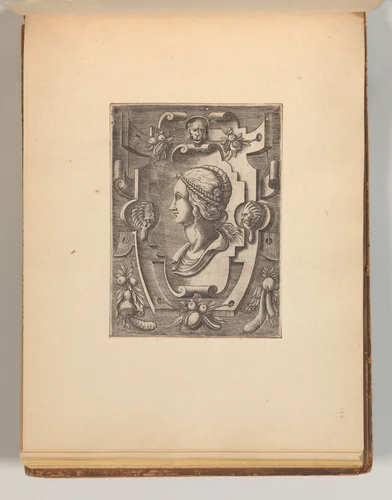
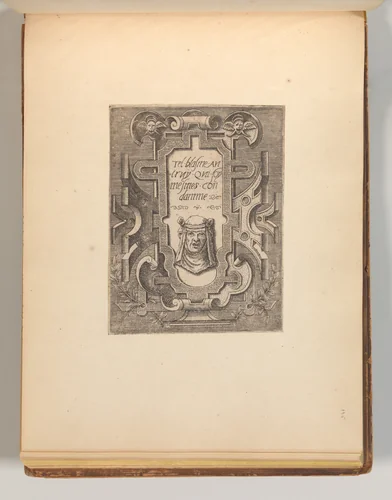
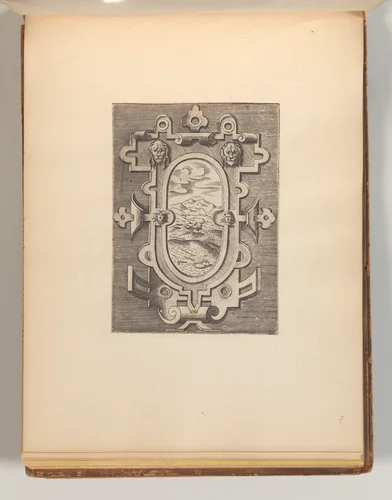
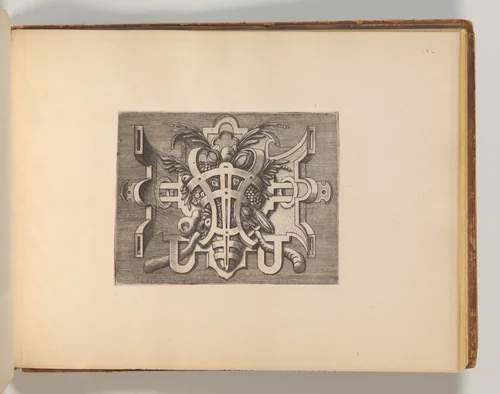
Cornelis Bos
Cornelis Bos was a central figure in the mid-16th century print economy, operating as an engraver, printseller, and publisher who successfully bridged the aesthetic gap between Italian Renaissance classicism and Northern European tastes. Working primarily across the 1530s and 1540s, this Flemish artist, sometimes known as Bossche, ensured that the monumental sculptural and architectural achievements of Rome were rendered accessible to a wider audience through the reproducible medium of the print. His activity was crucial in establishing the iconographic vocabulary of antiquity throughout Northern Europe.
Bos’s primary renown rests upon the technical precision of his output, which focused on producing accurate engravings derived from Italian models. His meticulous commitment to detail suggests a deep respect for the source material, a necessary attribute for a figure whose primary job was often the scholarly translation of three-dimensional form into two, rather than pure invention. He consistently affirmed the authenticity of the material produced by his workshop, often signing his output with the recognizable monogram C-B, a mark that guaranteed the technical quality of the resulting sheets. Today, these historically important images are increasingly available as downloadable artwork, reflecting the enduring legacy of his commitment to broad distribution.
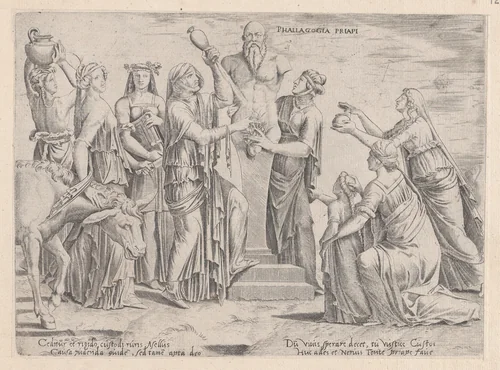
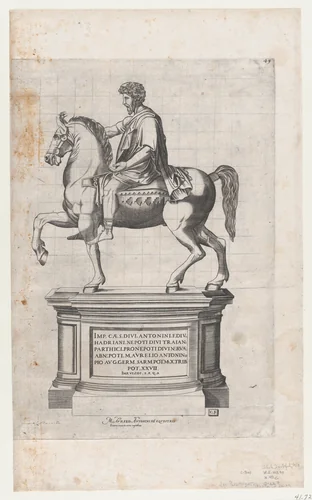
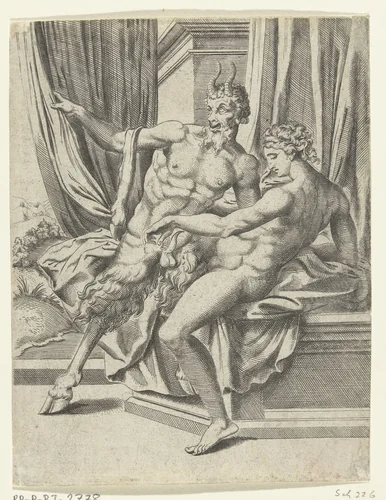
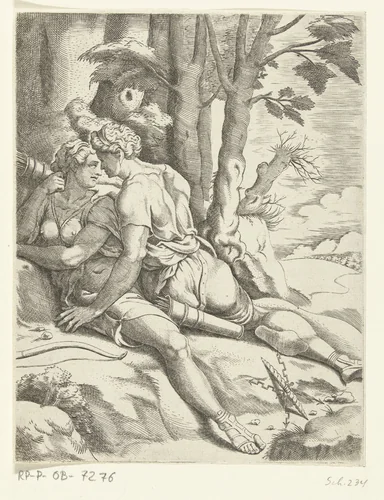
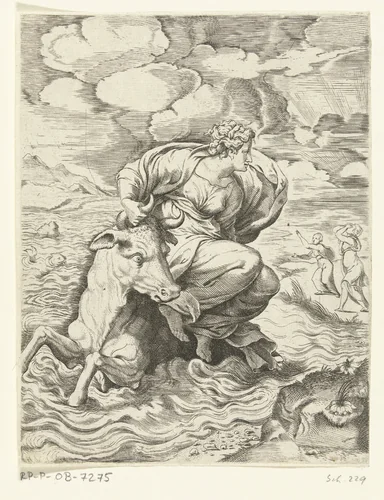
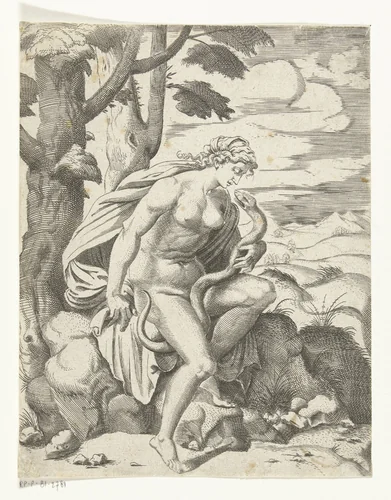
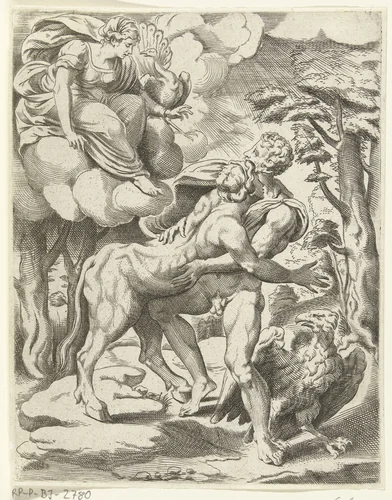
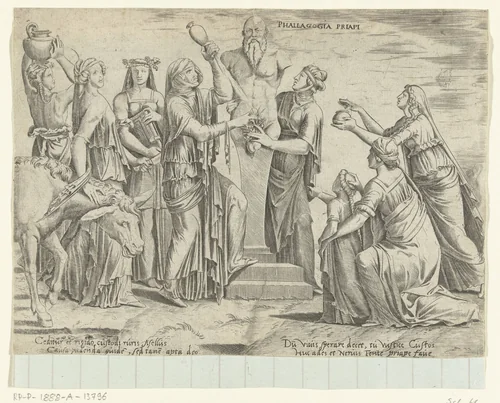
His participation in ambitious publishing ventures, such as the Speculum Romanae Magnificentiae (Mirror of Roman Magnificence), underscored his expertise in classical subjects. Plates such as Eight Women Sacrificing to Priapus and Marcus Aurelius from this important series demonstrate his skill in rendering ancient statuary with clarity and fidelity. His mythological works, including the dramatic Jupiter en Antiope, the complex Jupiter en Callisto, and the vibrant Jupiter en Europa, further exemplify the contemporary hunger across Europe for detailed, accessible narratives drawn from Ovid and classical lore.
Through his combined role as producer and merchant, Bos significantly contributed to the establishment of the print as a legitimate vehicle for both scholarly inquiry and artistic dissemination. Works bearing his distinctive C-B mark, renowned as high-quality prints, are preserved in major institutions worldwide, including the Rijksmuseum and the Metropolitan Museum of Art, standing as powerful examples of Northern European engagement with the defining forms of Roman antiquity.