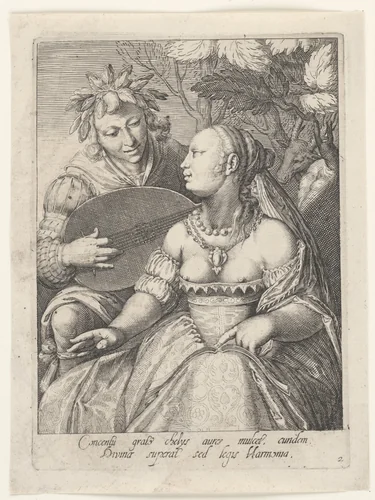
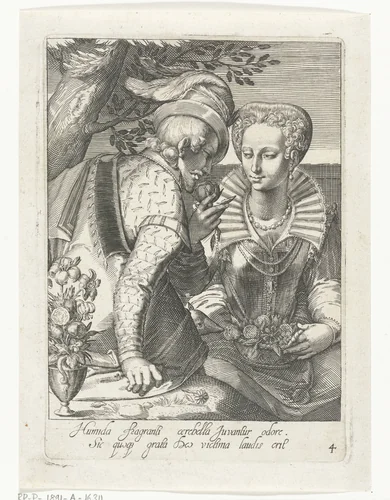
Cornelis Boel
Cornelis Boel (c. 1576-1663) was a significant Flemish draughtsman whose primary legacy resides in his influential work as an engraver during the late Renaissance and early Baroque eras. Active over a long career, his art demonstrates the crucial role of the printmaker in disseminating visual culture and political narratives across the continent. Though only ten prints are firmly attributed to him, his works are held in prestigious international collections, including the Rijksmuseum, the Metropolitan Museum of Art, and the National Gallery of Art, attesting to their enduring historical and technical value.
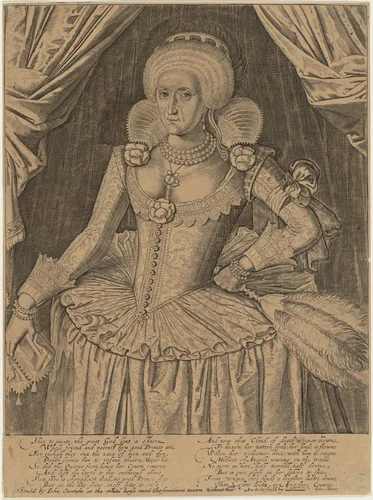
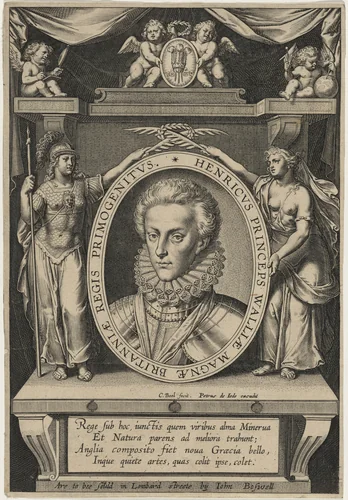
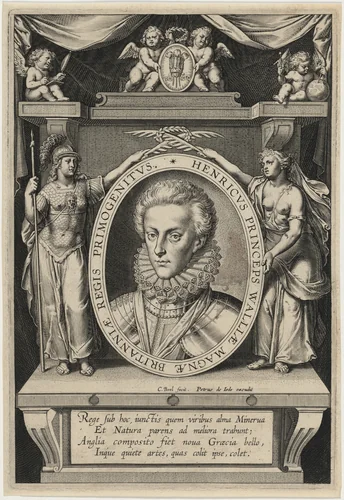
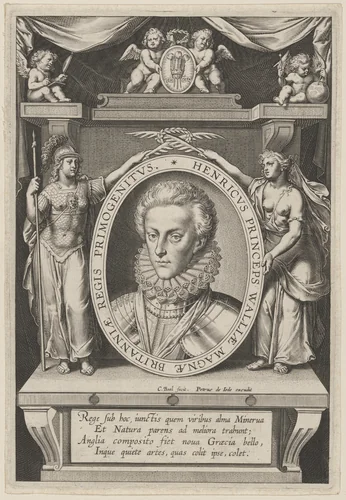
Often identified in historical records under variations such as Cornelis Bol or Cornelis Bol I, the artist specialized in detailed historical scenes and formal royal portraiture, positioning him as an important visual chronicler of European royalty and military history. His focus on portrait commissions included multiple depictions of Henry Frederick, Prince of Wales, alongside notable works such as the striking formal portrait of Anne of Denmark. This engagement with high-status subjects underscores the seriousness and political utility of his engravings in an age before mass media.
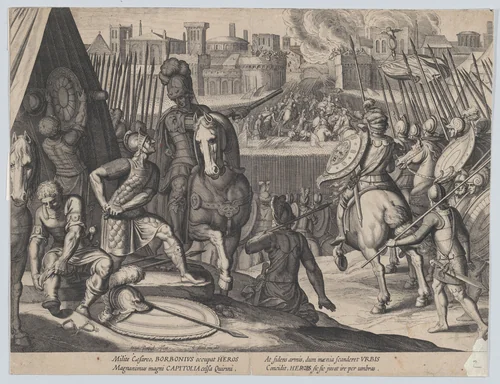
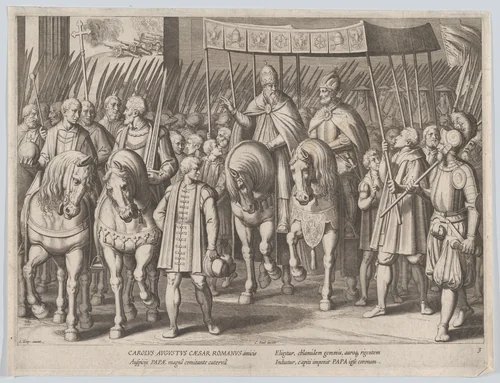
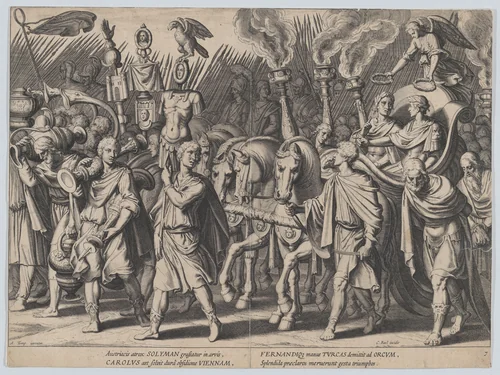
Boel’s capacity to translate complex narratives into dense, readable copperplate is exemplified by his contribution to grand historical cycles. This skill is particularly evident in plates like Plate 2: The city of Rome taken by Constable of Bourbon, produced as part of the ambitious series, "The Triumphs of Charles V." Such works required meticulous attention to detail and a profound understanding of composition to function as sophisticated documents of historical events.
The shifting nomenclature of his identity—Cornelis Bol, Cornelis Boel I—offers a subtle window into the inherent complexities of cataloging figures whose professional lives spanned decades and borders, suggesting even the 17th century was not immune to issues of historical attribution. Nevertheless, the quality of the surviving Cornelis Boel prints leaves little doubt regarding the artist’s mastery of the burin. For modern researchers and enthusiasts, the enduring value of Boel’s output ensures that many of his images are now in the public domain, readily accessible as downloadable artwork, providing detailed visual documents of the period at museum-quality standards.
Source: Wikipedia · CC BY-SA 4.0