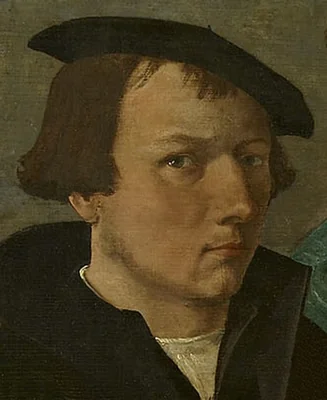
Cornelis Anthonisz
Cornelis Anthonisz, whose name sometimes appears rendered as Anthonissen or Teunissen, was a highly influential Dutch polymath active in the early 16th century, distinguished as a painter, engraver, and cartographer. Operating during a period of intense religious and intellectual ferment in the Low Countries, Anthonisz’s multifaceted output reflects the era’s shifting focus from purely devotional subjects toward empirical observation and historical record.
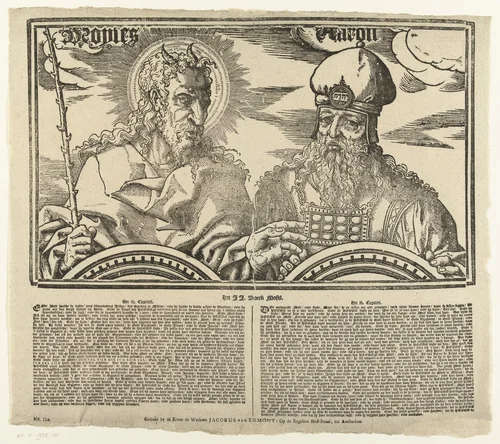
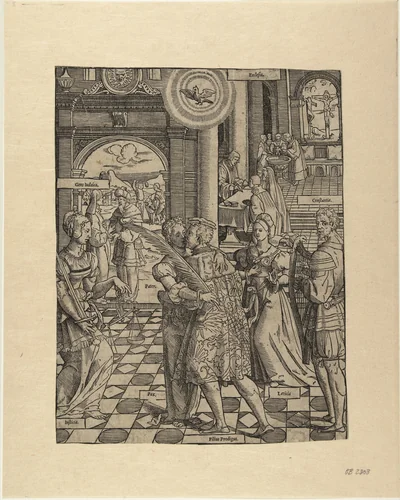
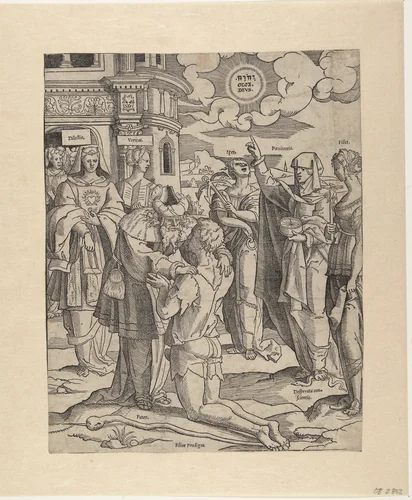
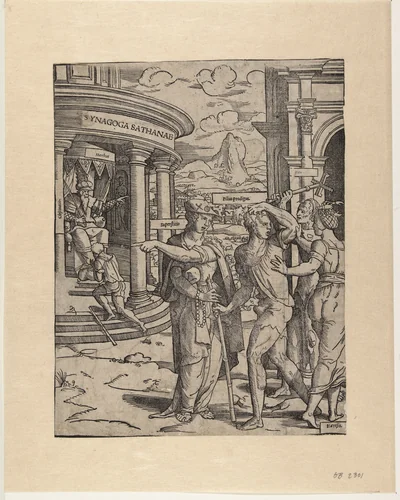
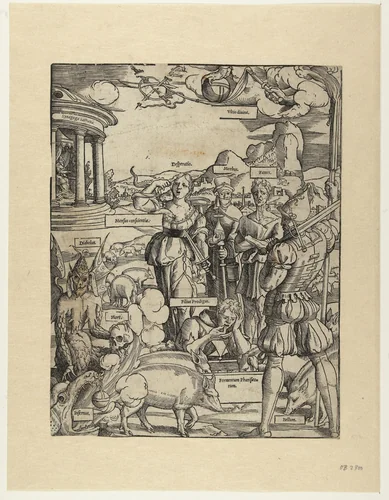
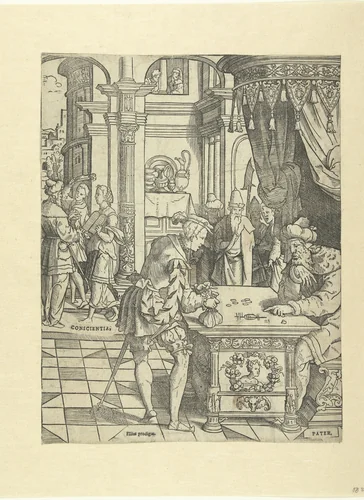
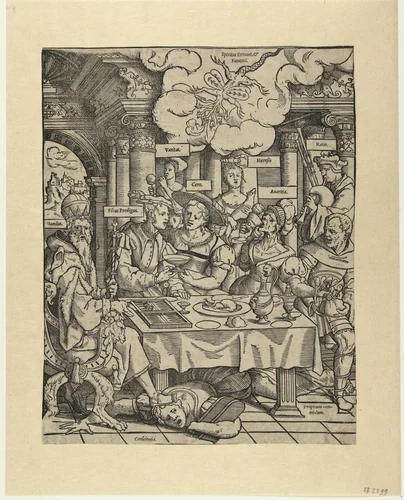
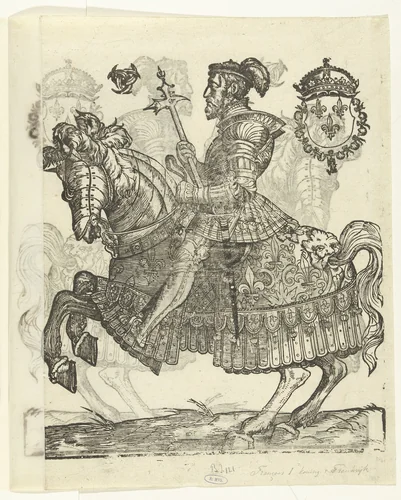
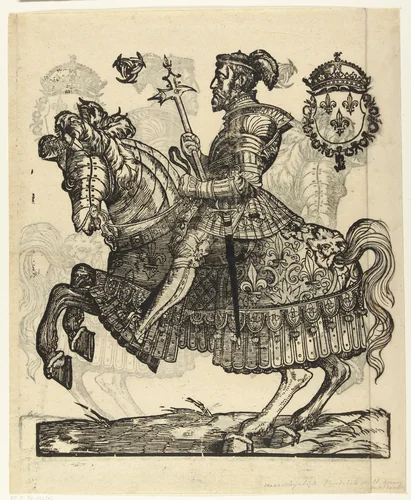
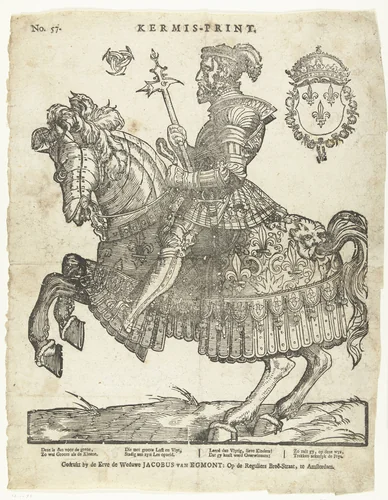
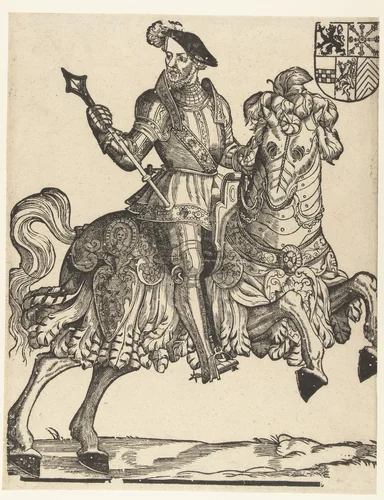
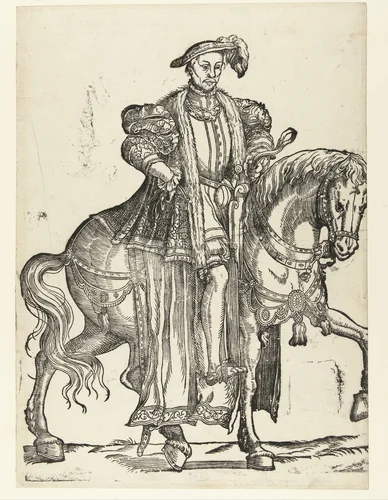
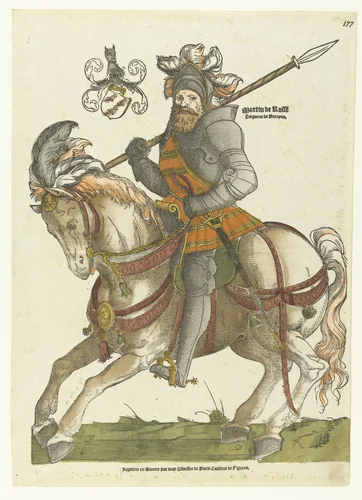
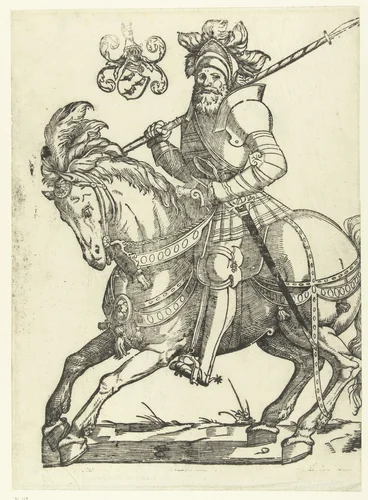
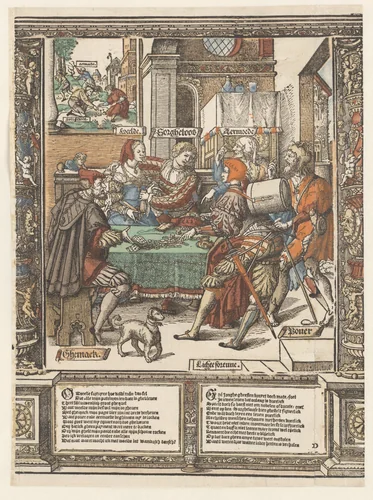
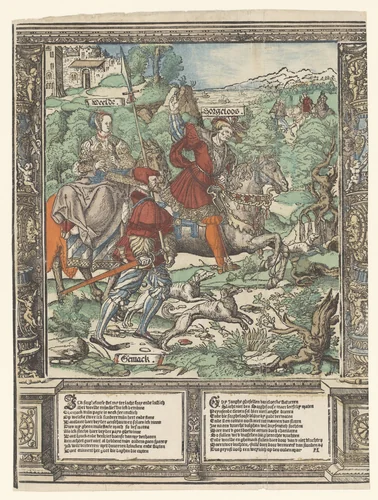
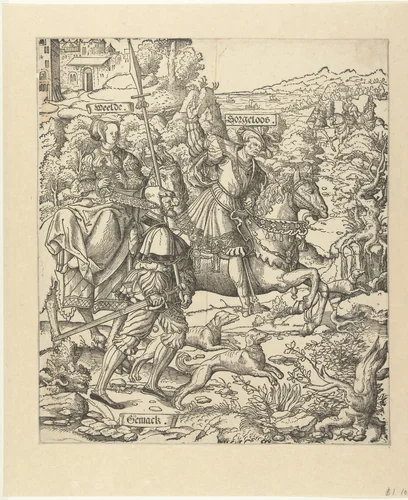
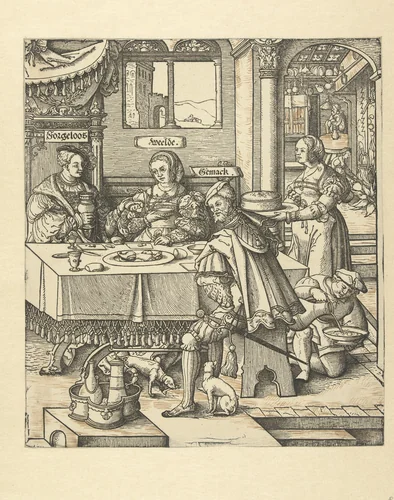
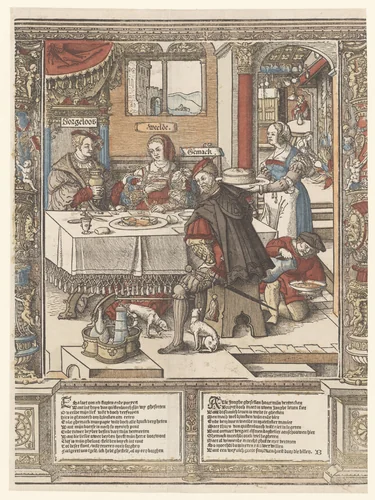
While surviving examples of Cornelis Anthonisz paintings are rare, his formidable reputation rests on his graphic output. Known for precision and narrative scope, his catalog of fifteen documented prints, now largely preserved in collections such as the Rijksmuseum, provides a clear view of his technical skill. These works often centered on biblical themes, most notably the moving, multi-part sequence dedicated to the Prodigal Son, featuring detailed compositions like De verdrijving van de verloren zoon and the concluding De terugkeer van de verloren zoon. The emotional arc and dense detail captured in these high-quality prints showcase Anthonisz's ability to render complex human drama through the linear rigidity of the engraving medium.
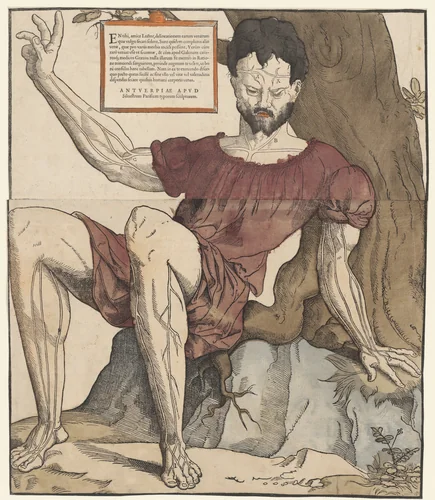
Perhaps the most arresting example of his versatility is the anatomical study, De aderen van het menselijk lichaam. Pivoting dramatically from biblical illustration to early scientific inquiry, this graphic demonstrates the artist’s commitment to objective representation. It is worth noting that an artist who spent such time meticulously mapping the contours of the human body also became renowned for his detailed topographical maps of Amsterdam, treating the internal human landscape and the expanding urban sprawl with identical scholarly precision. This subtle movement between the sacred narrative, detailed physiology, and practical cartography speaks volumes about the adaptable intellectual curiosity of the Northern Renaissance artist.
Anthonisz’s contributions were foundational for subsequent generations of Dutch engravers and documentarians. Given the age of the materials, many original Cornelis Anthonisz prints have entered the public domain, ensuring that this pivotal figure’s work remains highly accessible for study. The availability of this royalty-free, downloadable artwork allows contemporary scholars to analyze the intricate detail and historical significance present in these early museum-quality works.
Source: Wikipedia · CC BY-SA 4.0