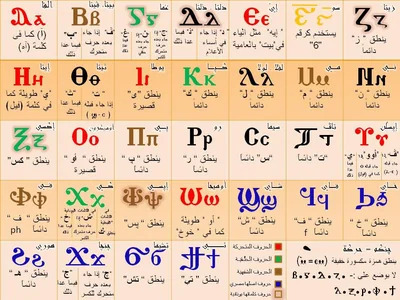
Coptic Egypt
Coptic Egypt refers to the prolific and culturally essential artistic production originating from the Christian ethnoreligious group native to Northeast Africa. As direct descendants of the ancient Egyptians, the Copts maintained a profound cultural continuity throughout the transition from the Roman period into Late Antiquity. Predominantly adherents of the Coptic Orthodox Church, they remain the largest Christian population in Egypt and the Middle East, accounting for an estimated 5 to 15 percent of the modern Egyptian population.
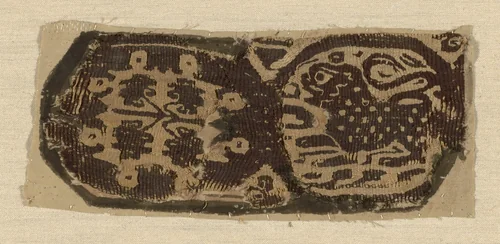
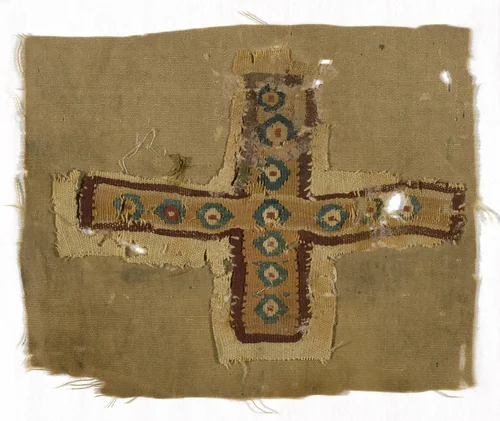
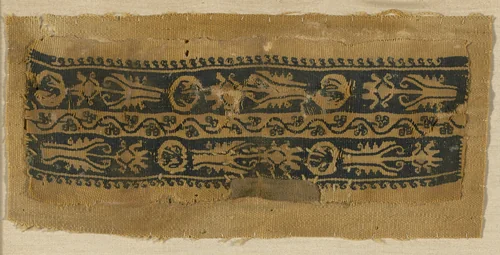
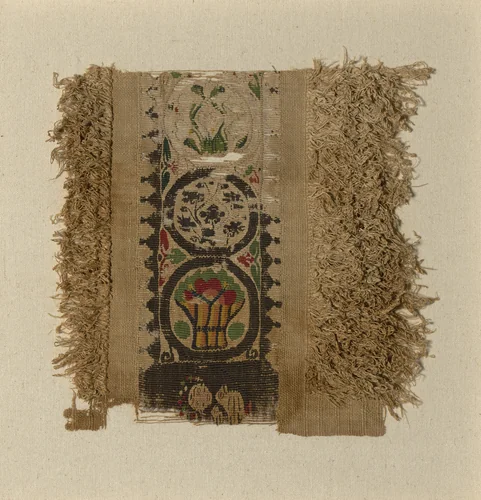
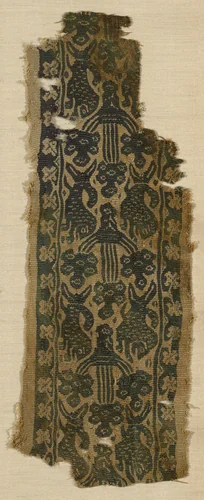
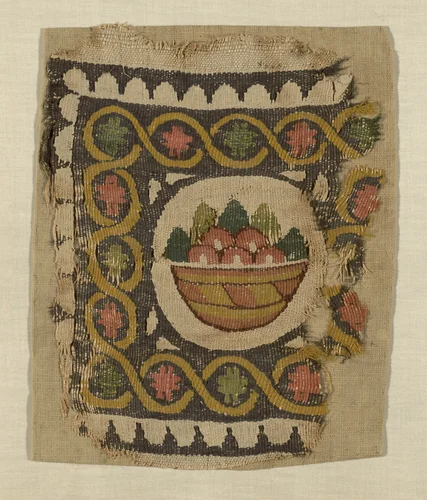
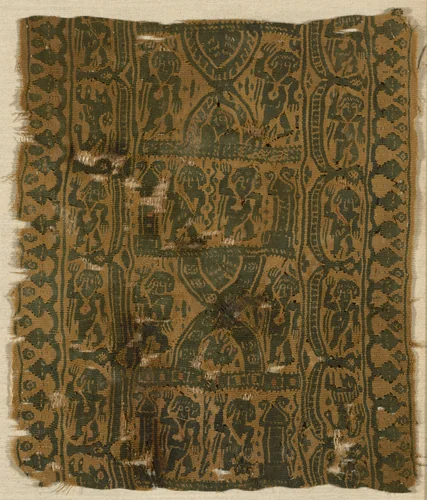
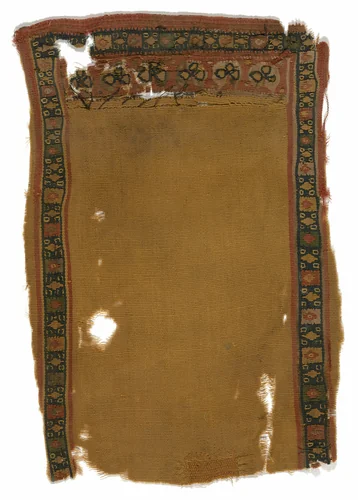
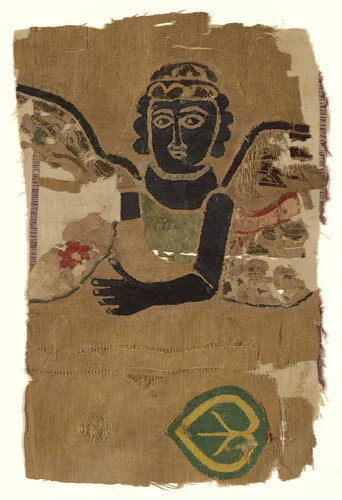
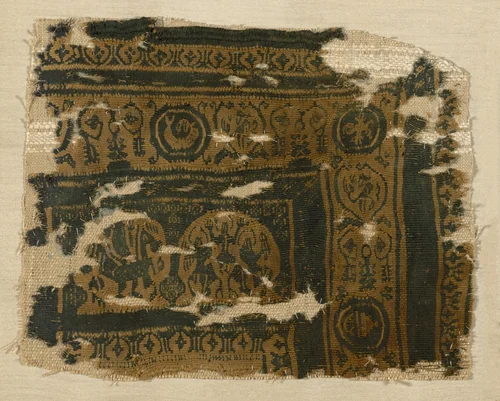
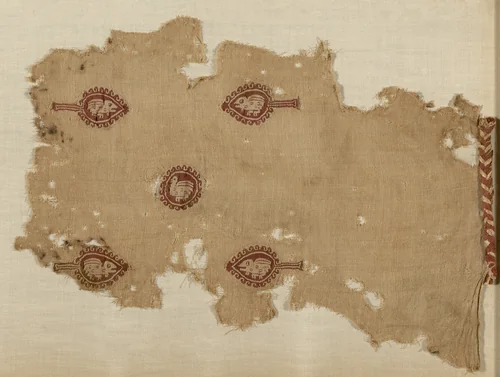
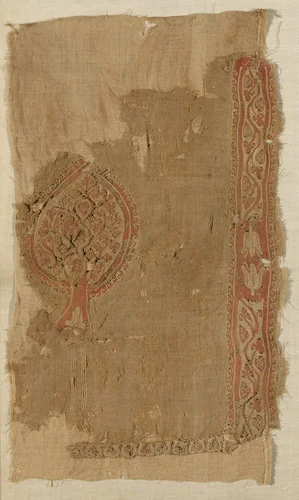
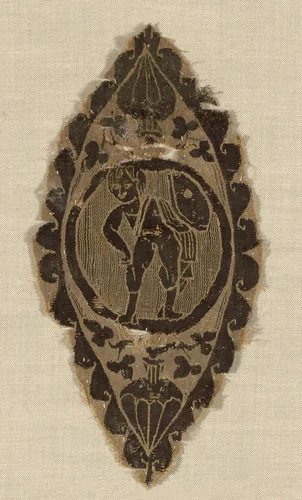
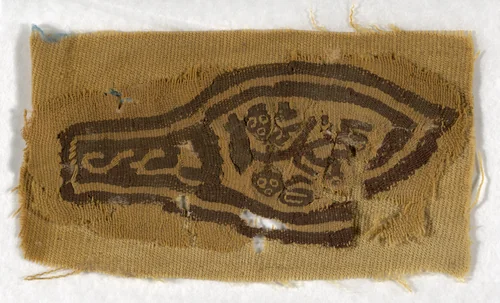
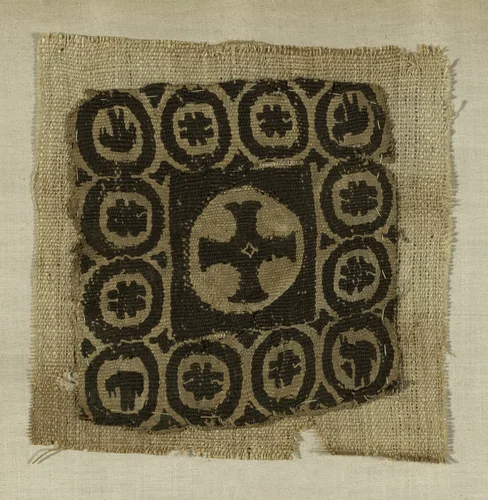
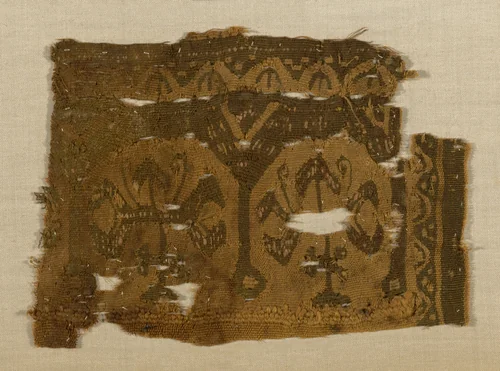
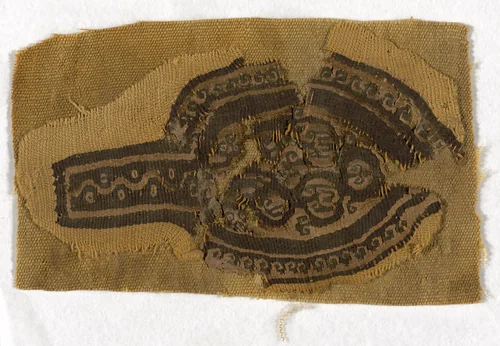
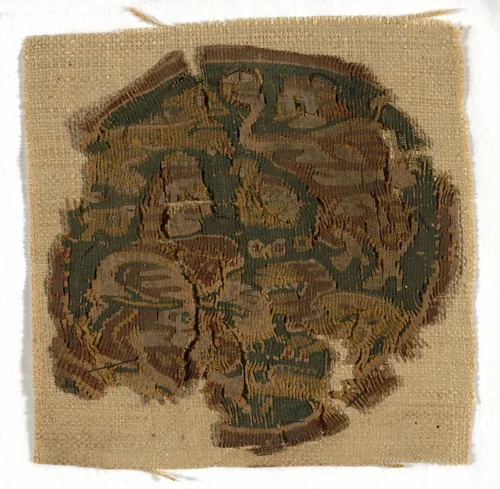
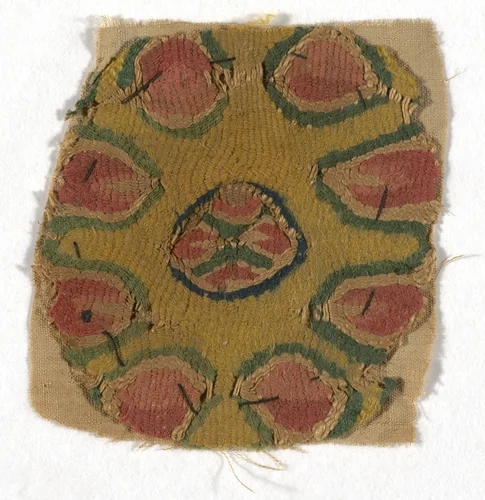
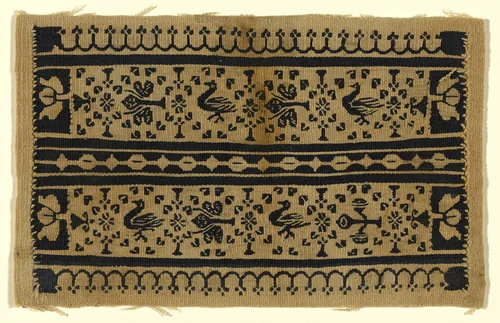
The most highly represented contribution of Coptic artists in global collections is undoubtedly their sophisticated textile work. Active across the early centuries of the Common Era (c. 30 to 201 CE, extending well into the Byzantine era), Coptic workshops excelled in producing intricate wool and linen weavings, primarily used for garment decoration. Examples such as the finely executed Border fragments or structurally complex pieces like the Sleeve Band demonstrate a mastery of tapestry technique. Polychrome wool threads were expertly used to create dense figurative and geometric motifs on light linen tunics. This practice effectively replaced the more complex embroidery techniques of previous eras with faster, more structural weaving methods, allowing for widespread artistic dissemination.
Coptic aesthetics are defined by a vibrant stylistic syncretism, serving as a critical bridge between Classical antiquity and early medieval European art. Their designs often juxtaposed mythological figures from the Roman pantheon (such as Dionysus or marine deities) with burgeoning Christian symbols, particularly visible in structural decorations like the Yoke (Tunic) fragments held by institutions such as the Art Institute of Chicago.
While we rarely encounter Coptic Egypt paintings in the same volume as their textiles, the sheer volume and museum-quality craftsmanship of the surviving woven fragments are impressive. It is perhaps an understated observation that the Copts decorated their clothing with more gusto than most other contemporary cultures. This wealth of surviving material ensures that high-quality prints and royalty-free images of these historical textiles are readily available today, providing scholars and enthusiasts alike with public domain access to artifacts spanning nearly two millennia of cultural innovation.
Source: Wikipedia · CC BY-SA 4.0