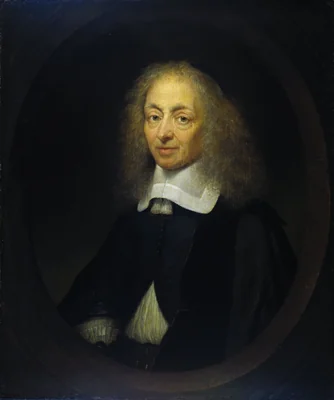
Constantijn Huygens
Constantijn Huygens (1596-1687), Lord of Zuilichem, stands as one of the quintessential polymaths of the Dutch Golden Age. Known primarily to history as an influential poet, composer, and diplomat, his official duties positioned him at the epicenter of Dutch political and intellectual life, serving as the trusted secretary to two successive stadholders, Frederick Henry and William II, Princes of Orange. Yet, his personal pursuits reveal a deep and sustained engagement with the visual arts. While the historical record indicates he did not produce Constantijn Huygens paintings, his surviving corpus of drawings offers an intimate and essential visual record of the era, spanning four active decades from 1638 to 1675.
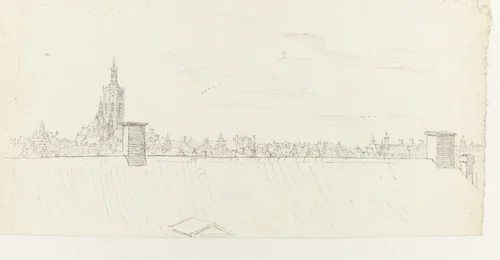
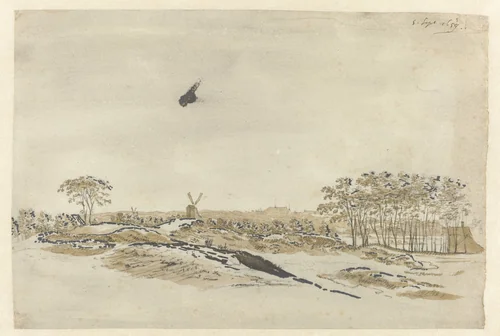
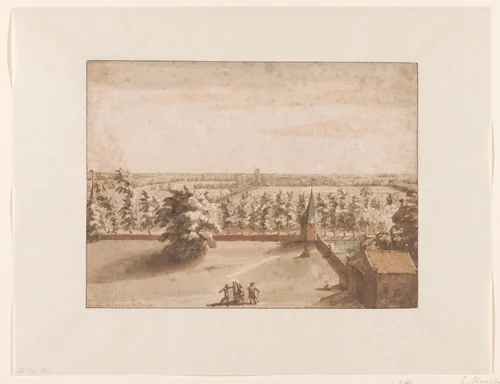
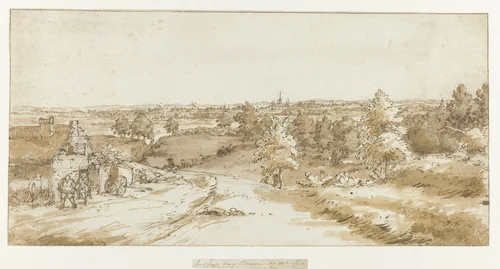
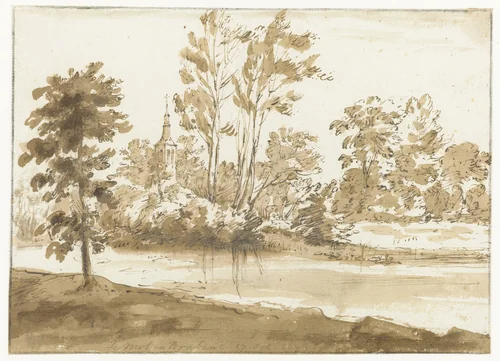
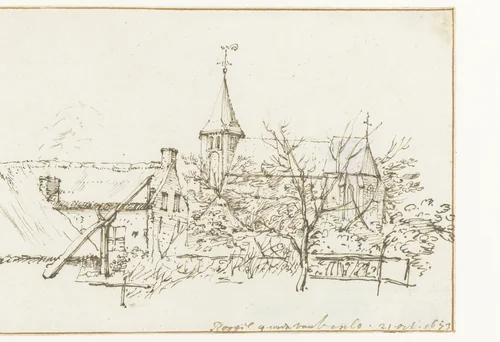
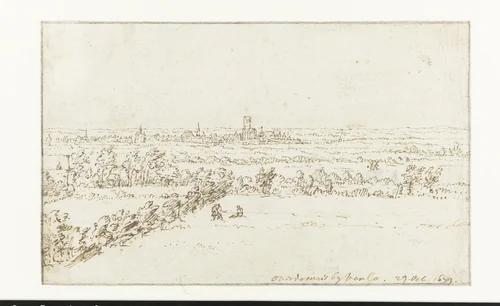
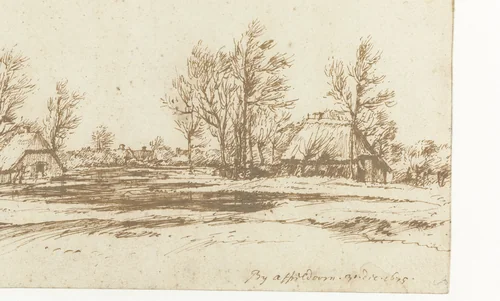
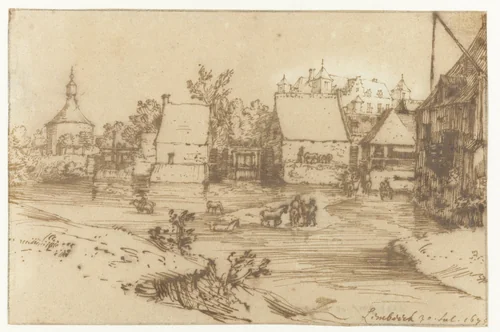
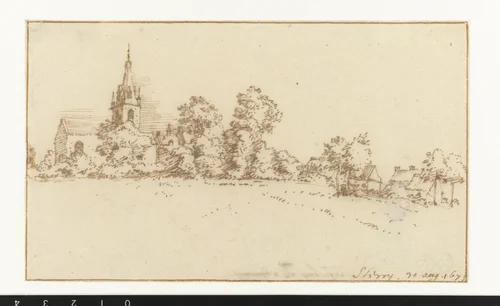
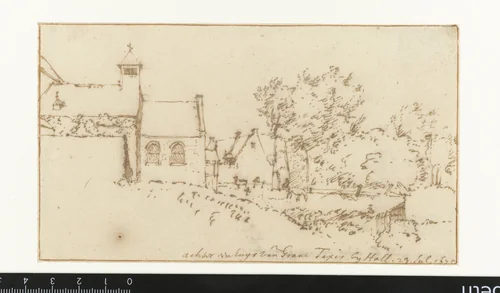
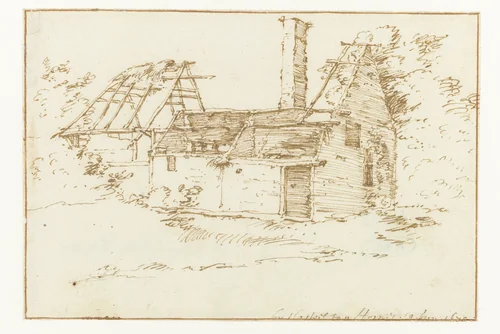
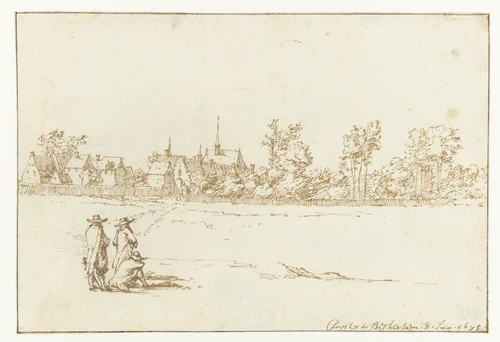
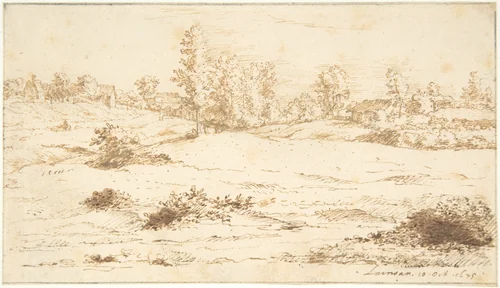
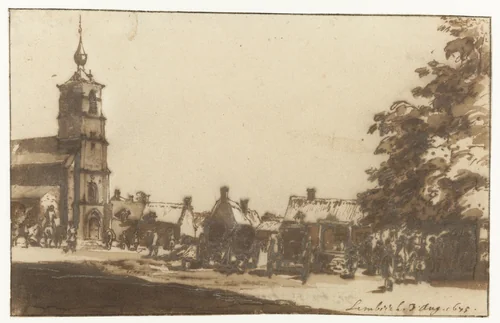
Huygens’s limited artistic output, which consists of approximately fifteen identified drawings now housed in prestigious collections like the Rijksmuseum, focuses heavily on two genres: topographical views and domestic portraiture. Works such as Gezicht op Den Haag (View of The Hague) and the complementary Gezicht op Den Haag vanuit de duinen (View of The Hague from the Dunes) function as meticulously observed topographical studies. These pieces reflect the period’s prevailing fascination with urban clarity and the prosperity embodied by the expanding Dutch cityscapes.
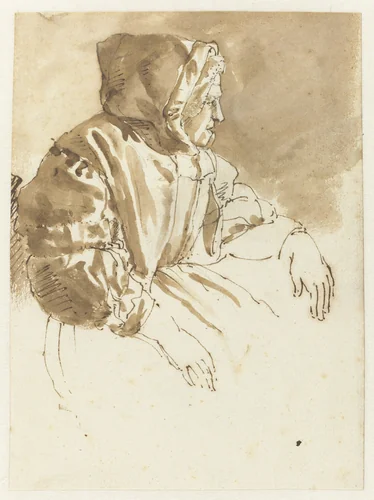
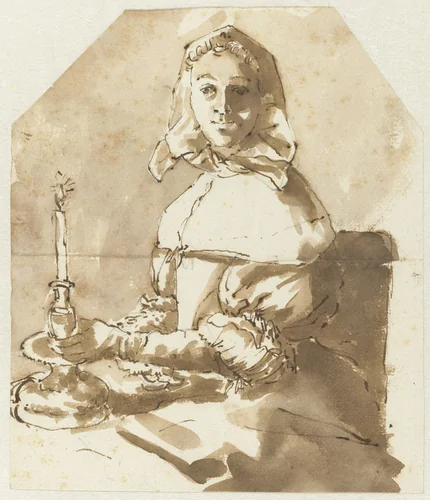
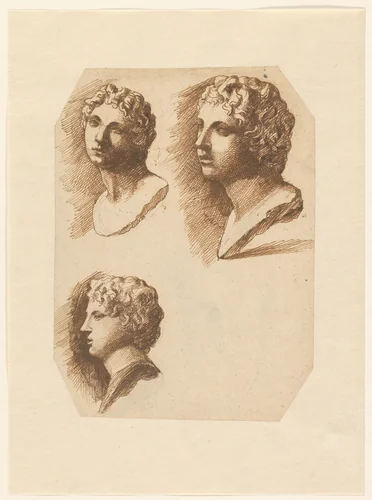
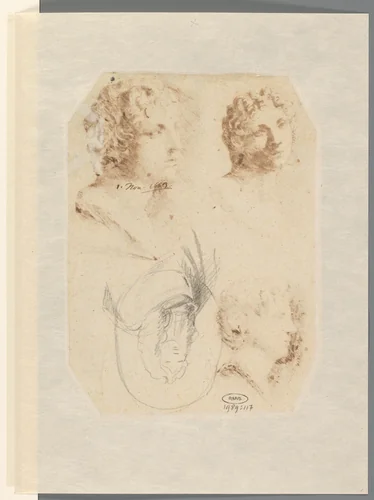
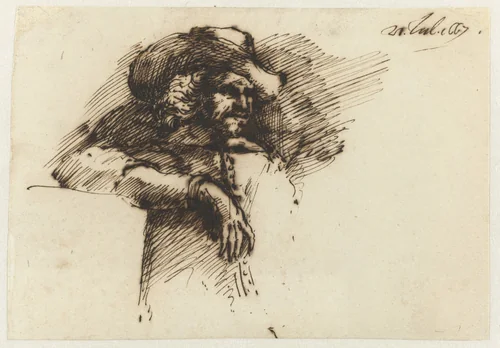
In contrast, drawings like Oude vrouw in profiel naar rechts (Old Woman in Profile to the Right) and Jonge vrouw zittend aan tafel (Young Woman Sitting at a Table) reveal a keen observational sensibility and an appreciation for understated realism. His practice appears to have been largely personal and observational, recording those closest to him. The inclusion of rapid sketches like Driemaal een jongenshoofd (Three Times a Boy’s Head) suggests drawing served as a fluid, private means of expression, perhaps practiced while managing the highly demanding affairs of state. It is perhaps amusing to note that a man entrusted with the political security of the House of Orange also dedicated focused effort to capturing various profiles of childhood.
Unlike the professional masters he likely commissioned, Huygens’s drawings possess a unique intimacy, functioning as a visual diary rather than a vehicle for public acclaim. Today, these works are prized for their documentation of life in the Dutch court and are often reproduced as high-quality prints. The accessibility of his artistry ensures that numerous items are in the public domain, making downloadable artwork widely available for scholarly analysis and appreciation.
Source: Wikipedia · CC BY-SA 4.0