Conrad Meyer
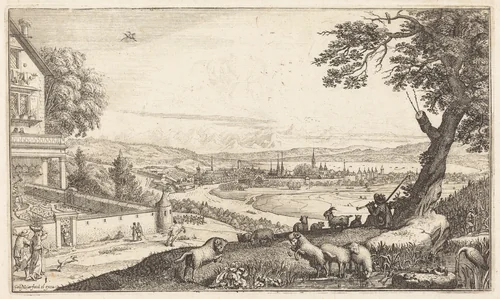
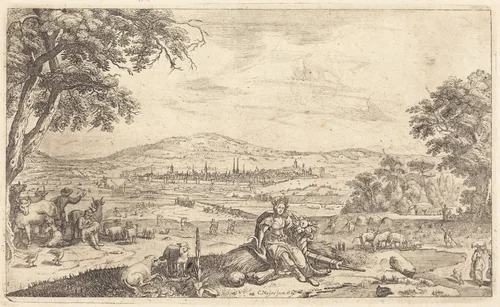
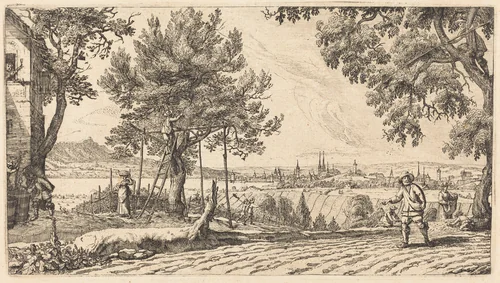
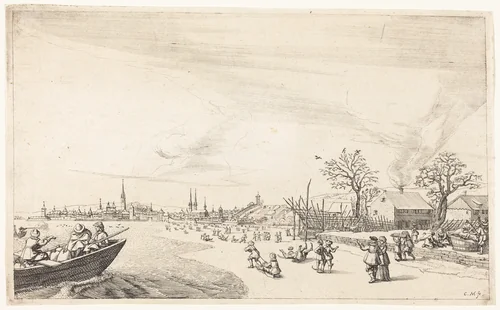
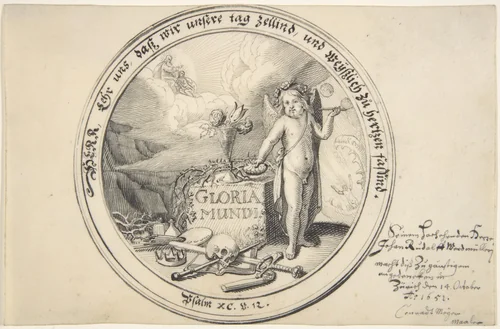
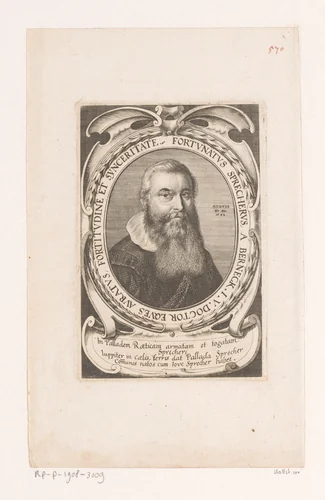
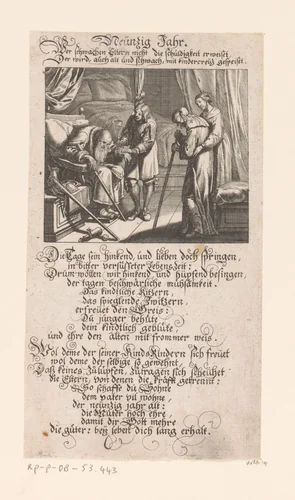
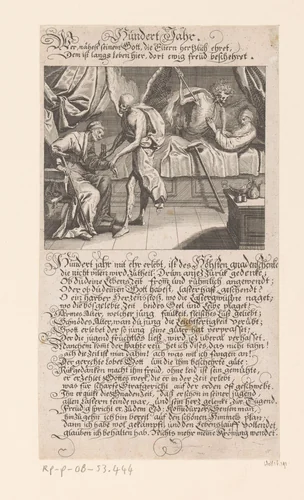
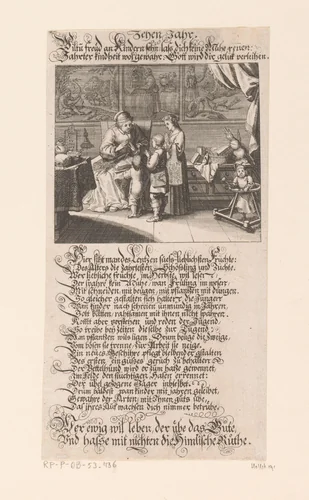
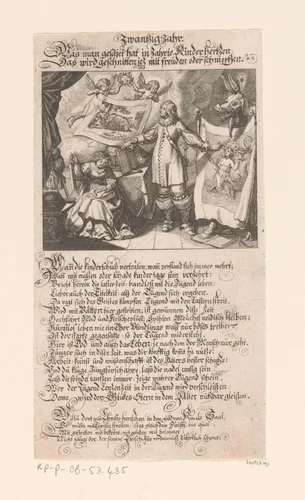
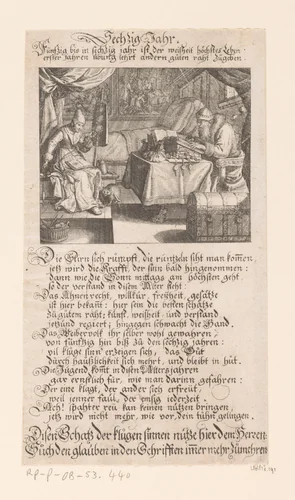
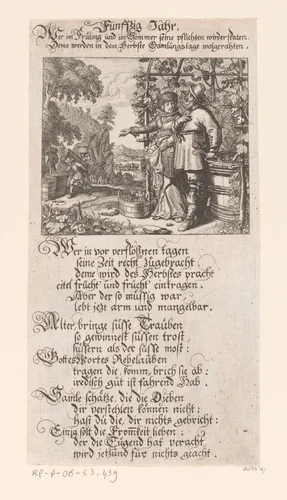
Conrad Meyer (1618–1689), primarily recognized today for his graphic output, was a vital figure in seventeenth-century visual culture. Though recorded as a painter, Meyer established his enduring reputation through prolific production in printmaking, particularly during the active period spanning 1618 to 1643. His extensive corpus comprises seven major portfolios, five singular prints, and several extant drawings, all characterized by meticulous detail and a powerful didactic purpose.
Meyer specialized in executing complex moral narratives designed for broad consumption and instruction. His technique catered to accessibility, ensuring that his works functioned as visual textbooks for the public. His most celebrated contributions center on the corporal works of mercy, a detailed sequence that includes prints such as Burying the Dead, Caring for the Ill, Consolation of the Imprisoned, and Feeding the Hungry. These images, along with the shrewd social commentary presented in Allegory of Poverty and Wealth, demonstrate his deep engagement with the ethical responsibilities of the era. The exceptional clarity and precision inherent in Conrad Meyer prints made them highly effective tools for spiritual and civic education.
While many of his contemporaries executed commissioned devotional pieces, Meyer exhibited an almost systematic, bureaucratic commitment to detailing every facet of human obligation and charity. His systematic approach ensured the viewer was presented with a clear, visual accounting of their duties toward their fellow man, rendering his work both spiritually earnest and practically oriented.
The historical significance of his print cycles is confirmed by their sustained presence in major international collections, including the Metropolitan Museum of Art, the Rijksmuseum, and the Art Institute of Chicago. As a significant portion of his output now resides within the public domain, art historians and enthusiasts benefit from access to high-quality prints and downloadable artwork, ensuring that Meyer’s detailed, enduring catalog of human morality remains widely studied centuries later.
Source: Wikipedia · CC BY-SA 4.0