Coclé Venado Beach
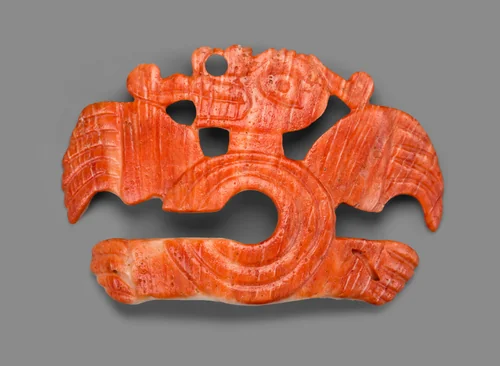
Coclé Venado Beach designates the sophisticated metalworking output active between approximately 500 and 750 CE. This production is characterized by intricate fabrication techniques utilized in creating specialized ornaments, primarily pendants and nose ornaments that frequently incorporate zoomorphic imagery.
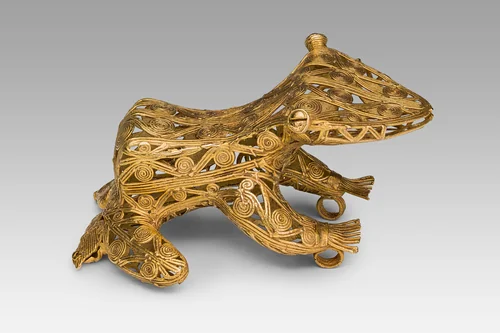
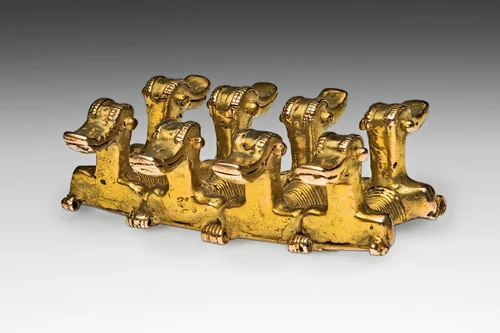
The extant corpus, as represented in major institutions, includes five distinct metalworks held in museum collections at the Art Institute of Chicago. These pieces demonstrate a focused interest in natural forms, often stylized or doubled, suggesting potential ritual or symbolic significance. Notable surviving examples include the highly detailed Filagree Pendant in the Form of a Frog or Toad and the complex Pendant in the Form of Four Double-Headed Figures with Long Beaks, Possibly Ducks.
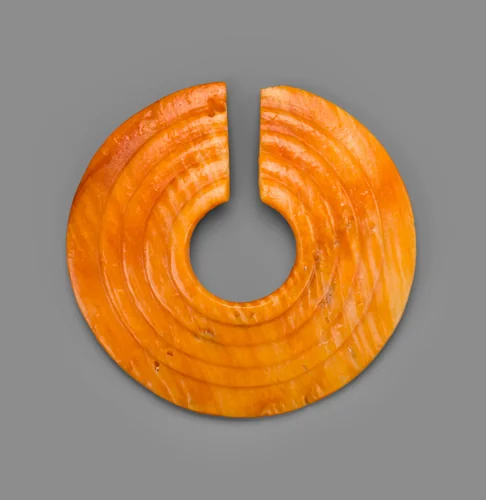
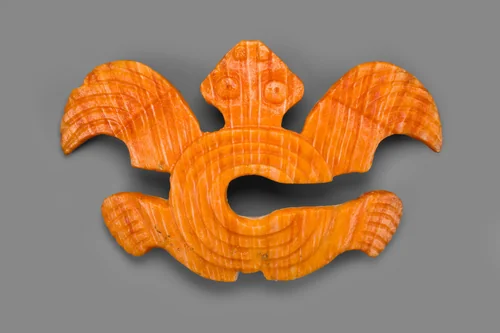
The technical prowess of the metalworkers is further evident in the surviving personal adornment pieces. These items, designed to be worn on the face, encompass the geometric Circular Nose Ornament Incised with Concentric Bands, alongside pieces depicting fauna, such as the Nose Ornament in the Form of a Turtle with C-shaped Body and the Nose Ornament in the Form of an Long-Nosed Saurian with C-shaped Body. The enduring appeal and exceptional craftsmanship of these artifacts confirm their museum-quality status. Although the original metalworks are singular archaeological objects, their intricate designs are often reproduced, allowing the artistry of the Coclé Venado Beach culture to be studied via high-quality prints and downloadable artwork.