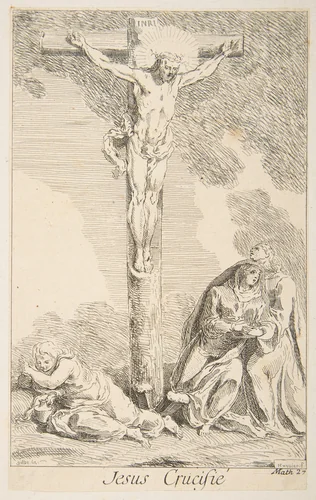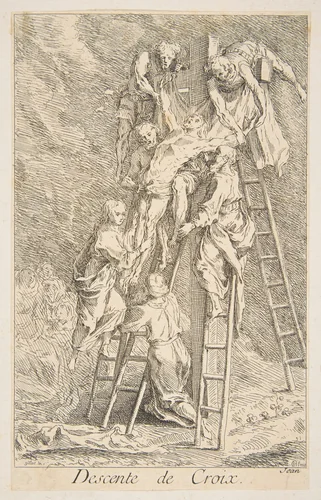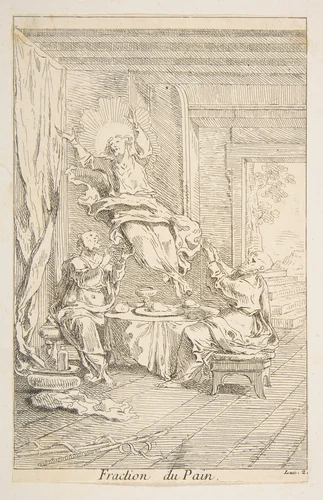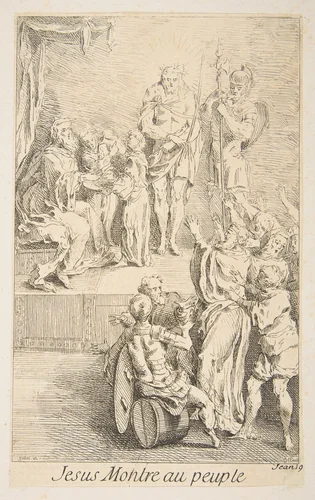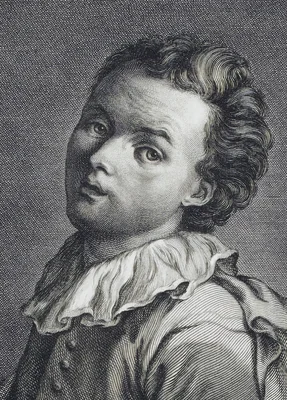
Claude Gillot
Claude Gillot holds a foundational, yet frequently understated, position in the development of 18th-century French art. Though an accomplished painter and illustrator himself, his primary historical significance derives from his role as the master who instructed two of the greatest figures of the nascent Rococo movement: Jean-Antoine Watteau and Nicolas Lancret. His instruction provided the crucial link between the Baroque formality of the late 17th century and the lighter, more elegant theatricality that defined the new century.
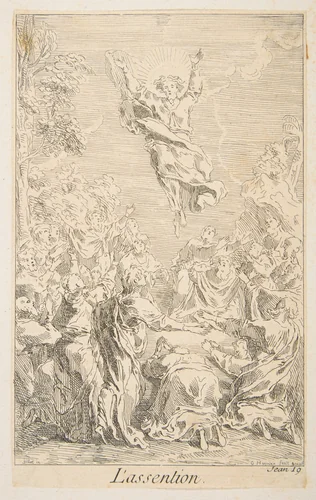
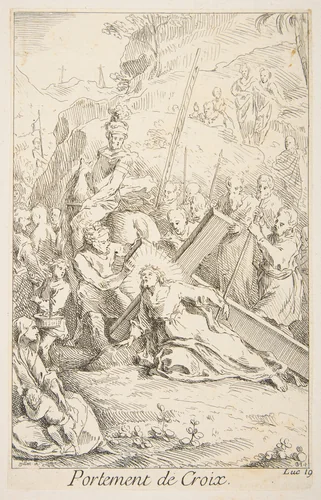
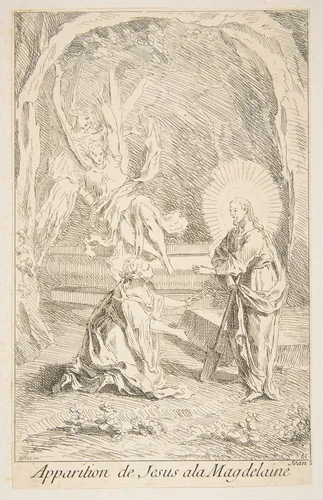
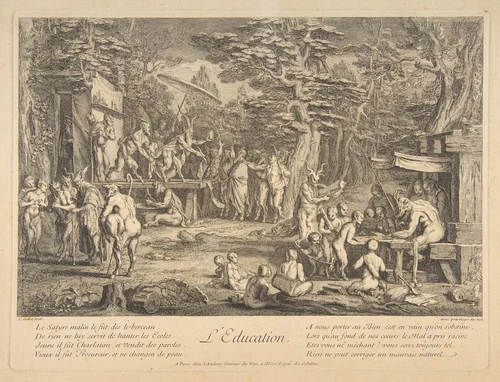
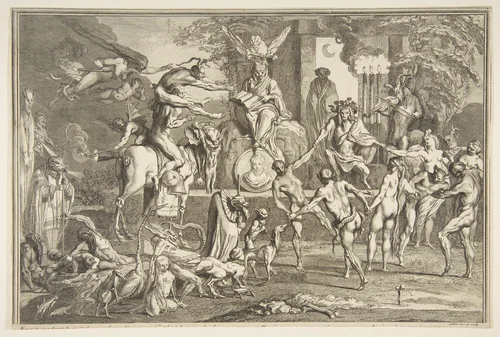
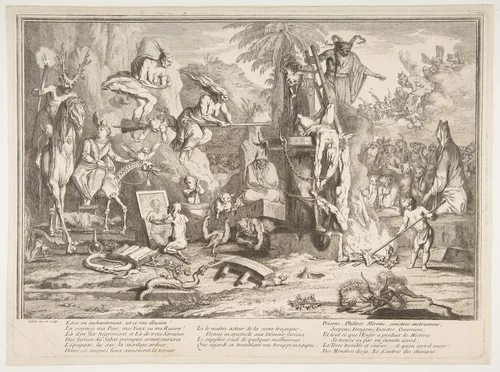
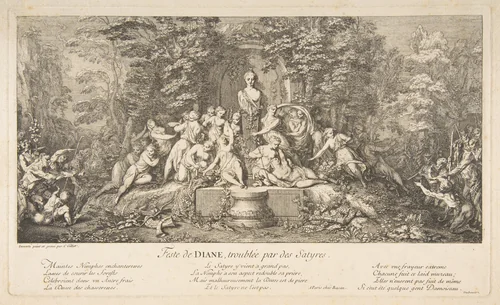
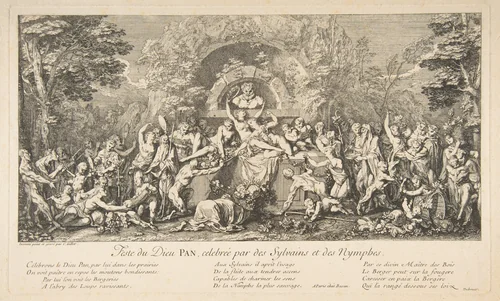
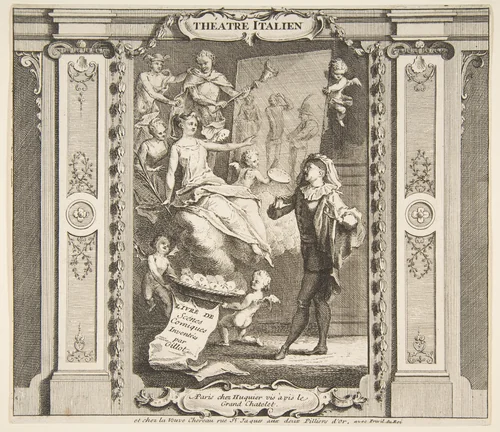
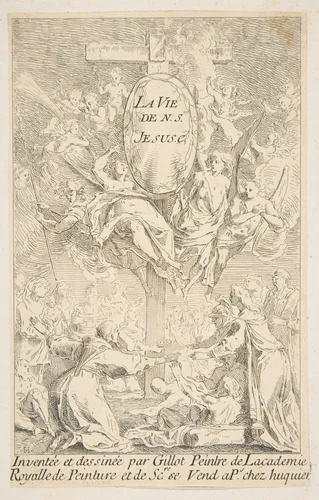
Gillot’s influence is most powerfully articulated through his prolific output of etchings and high-quality prints. As a printmaker, he helped pioneer a shift in subject matter, moving away from severe historical or religious narratives toward depictions of mythology, theater, and contemporary life. He specialized in compositions that mixed classical settings with a distinctly modern, often humorous sensibility. Works such as Feste du Dieu Pan, celebree par des Sylvains et des Nymphes and Feste de Bacchus, celebree par des Satyres et des Bacchantes showcase his talent for generating lively, crowded scenes where the mythological and the burlesque frequently overlap.
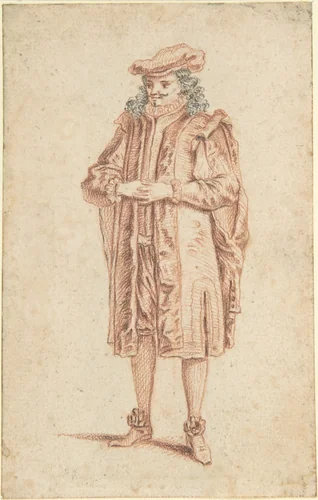
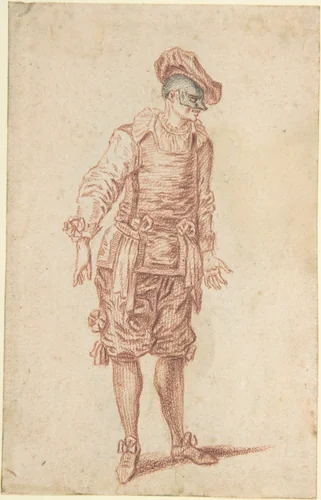
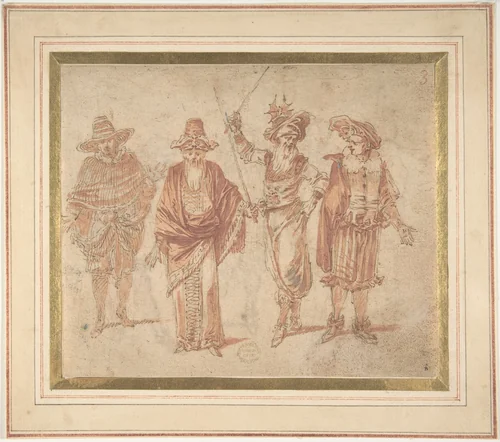
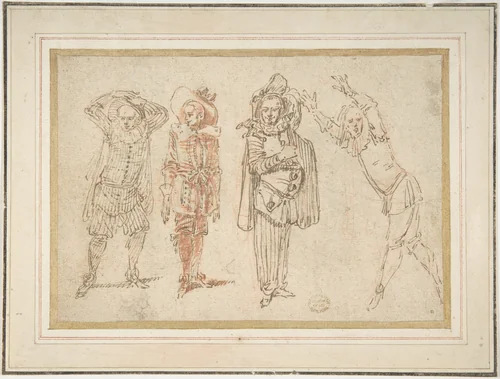
This focus on playful, crowded compositions, often incorporating figures from the commedia dell’arte, was revolutionary. Gillot’s innovative practice of portraying the gods less as stern, distant deities and more as characters engaged in spirited, human-like revelry directly prefigured the fête galante style Watteau would later perfect. Though best known for his prints, Claude Gillot paintings and drawings focused on similar themes of education (L'Education) and coming of age (Adolescence), emphasizing movement and character study.
It is perhaps in his prints that Gillot’s unique personality emerges most clearly. His mythological scenes rarely feel like grand narratives; instead, they capture the intimate, slightly chaotic joy of a well-staged backstage moment, injecting a subtle, often underappreciated wit into the standard repertoire of mythological subjects.
Gillot’s mastery ensured his works became coveted sources of inspiration and study. Today, his historically important etched compositions are preserved across major global collections, including the Metropolitan Museum of Art and the National Gallery of Art. Many of these seminal 17th-century compositions are now in the public domain, available as royalty-free downloadable artwork, securing his lasting impact far beyond the confines of his own active period (1667-1675).
Source: Wikipedia · CC BY-SA 4.0