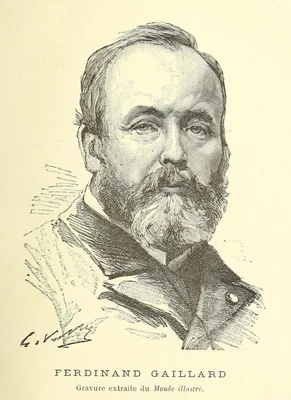
Claude-Ferdinand Gaillard
Claude-Ferdinand Gaillard (1826–1901) was a highly respected French graphic artist and painter whose influence in the history of nineteenth-century reproductive and original printmaking remains significant. Active primarily between 1850 and 1885, Gaillard was a Parisian native, contributing to the city's robust artistic output during a period of intense transition in visual arts. Though he worked occasionally in painting, his enduring reputation rests on his exacting, finely detailed engravings and etchings. The inclusion of his work in prestigious institutions such as the Metropolitan Museum of Art, the Art Institute of Chicago, and the Cleveland Museum of Art, confirms his status as a master craftsman of the burin.
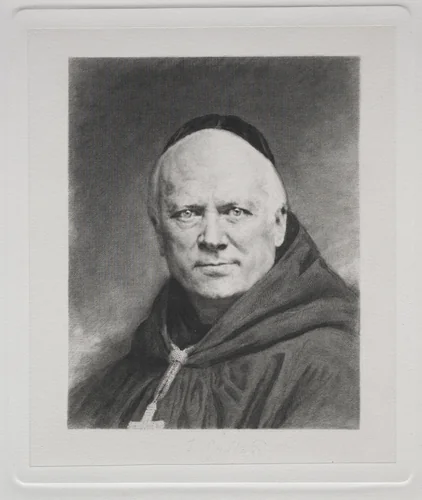
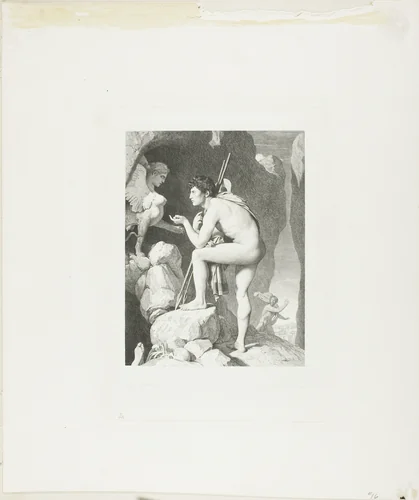
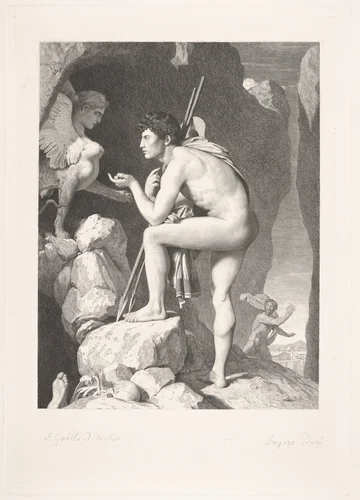
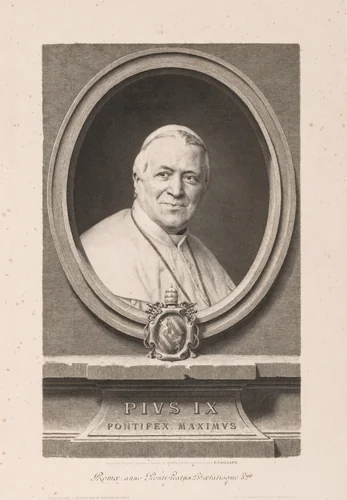
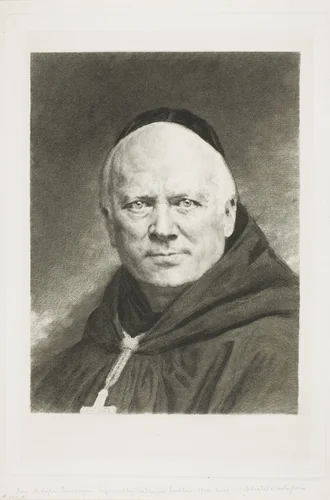
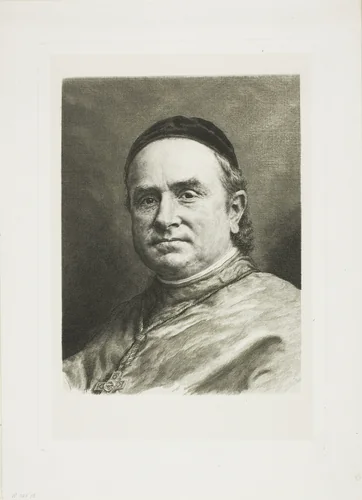
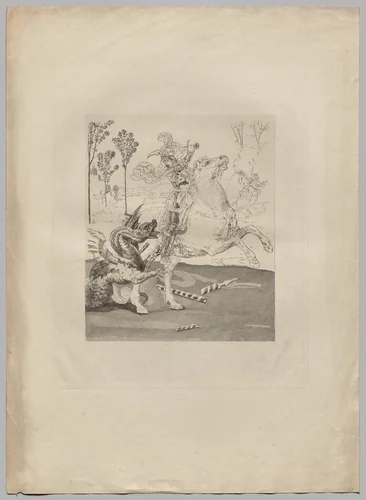
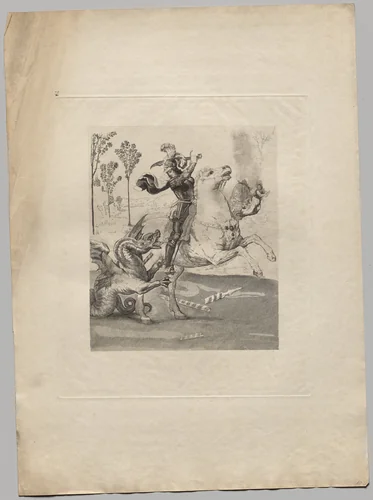
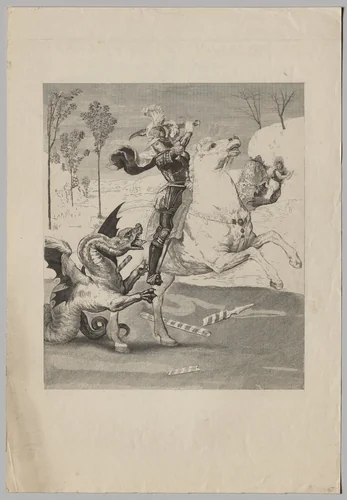
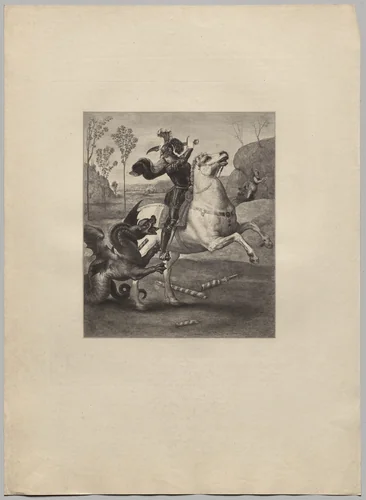
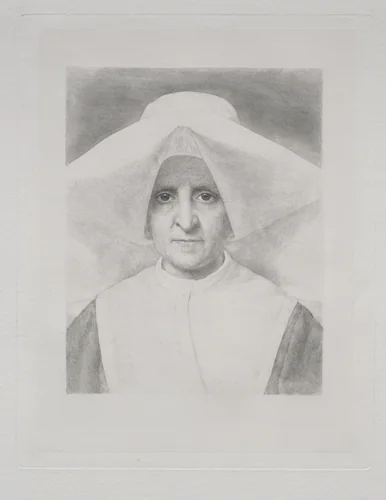
Gaillard was celebrated for his ability to translate the texture and mood of painting into the precise linear language of the copper plate. Unlike many contemporaries who relied heavily on photographic aids, Gaillard upheld the tradition of direct observation and meticulous technique, resulting in highly finished, museum-quality images. His work often traversed both original portraiture, like the striking study of Dom Prosper Gueranger, Abbe of Solesmes, and demanding classical translations. His interpretation of Ingres’s seminal Oedipus and the Sphinx, for example, is not merely a copy, but a sophisticated re-evaluation of the subject through the lens of pure black and white line work.
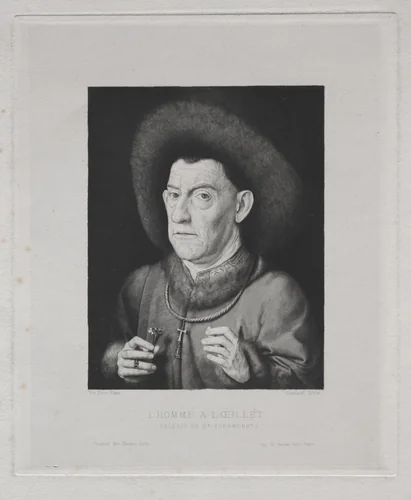
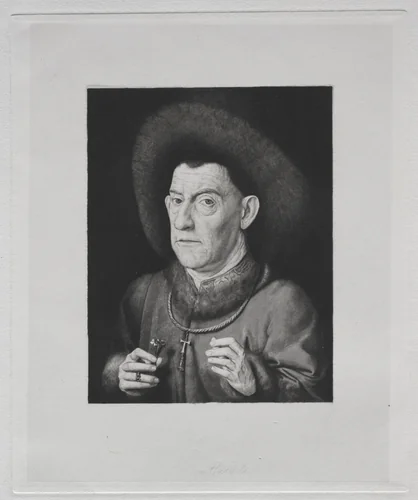
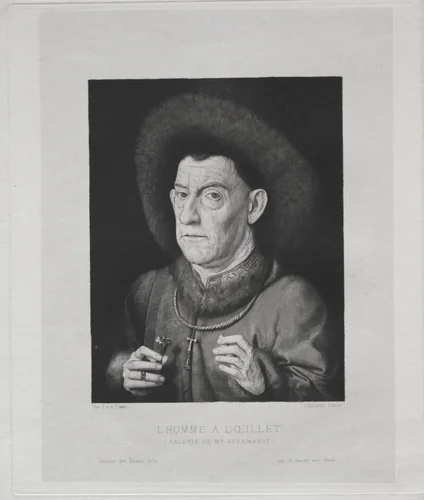
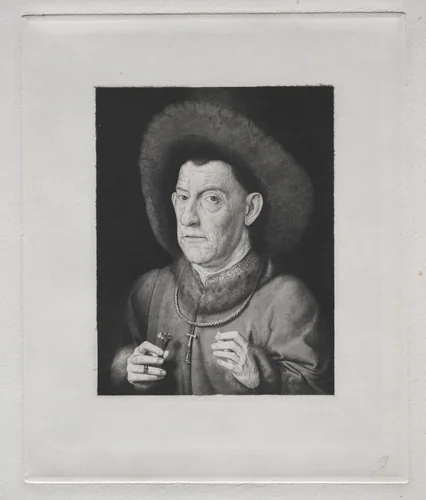
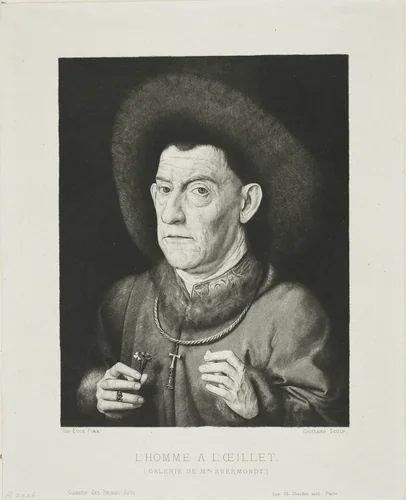
It is perhaps a testament to his focused attention that in his known catalogue, highly similar subjects, such as the repeated studies titled Man with a Pink, appear so frequently, suggesting an obsessive dedication to perfecting a given composition or character study. This intensity of focus is key to understanding the technical brilliance of Claude-Ferdinand Gaillard prints. His commitment to precision ensures his place not just as a reliable chronicler, but as an innovator in the graphic arts who elevated reproduction to a form of individual expression.
The sustained interest in his oeuvre derives from both this technical mastery and the historical function of his work, which documented important figures and masterpieces of the era. His engravings offered the wider public access to imagery that would otherwise remain sequestered in private collections or major salons. Today, this tradition of accessibility continues; many of his most important plates are preserved in the public domain, offering historians and enthusiasts royalty-free access to high-resolution downloadable artwork documenting this key period in French academic art. Collectors today value the high-quality prints that characterize his legacy.
Source: Wikipedia · CC BY-SA 4.0