Clarkson Stanfield
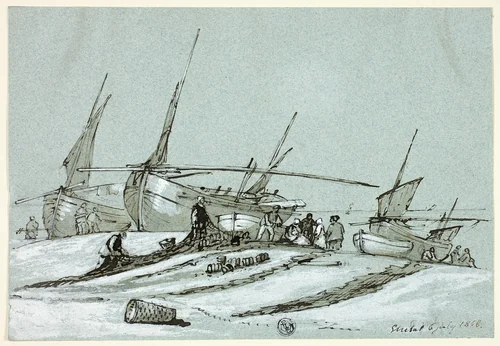
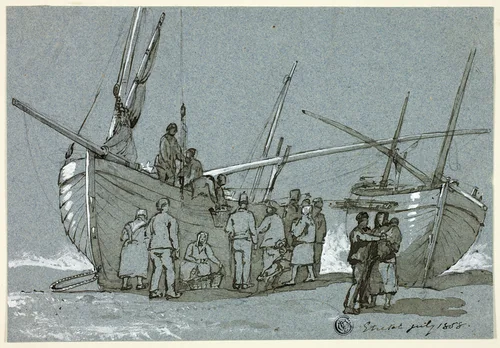
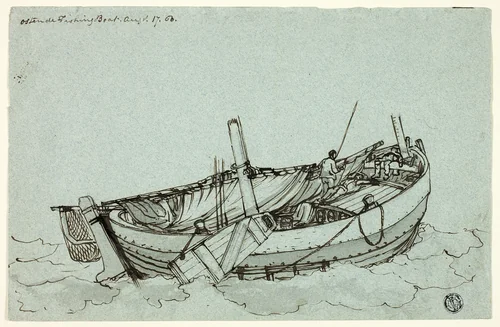
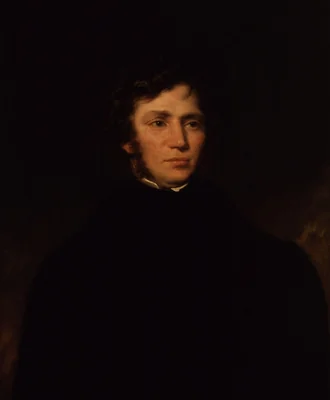
Clarkson Frederick Stanfield (1793-1867) was one of the preeminent English painters of the Romantic period, specializing in immense marine canvases and detailed, atmospheric landscapes that cemented his reputation as a master draftsman and theatrical observer. Active from 1813 to 1860, Stanfield successfully navigated the transition from a highly skilled theatrical scene painter to a respected Royal Academician, a background that informed his aptitude for scale, dramatic lighting, and controlled composition.
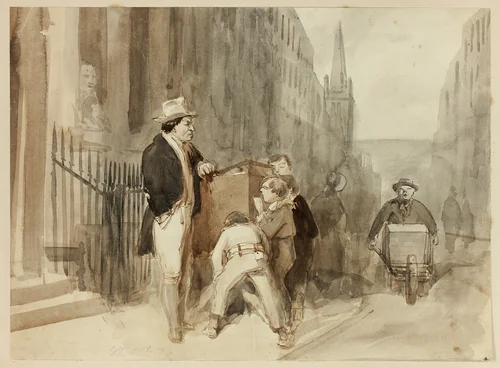
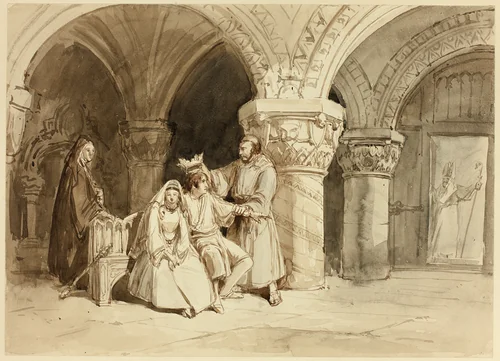
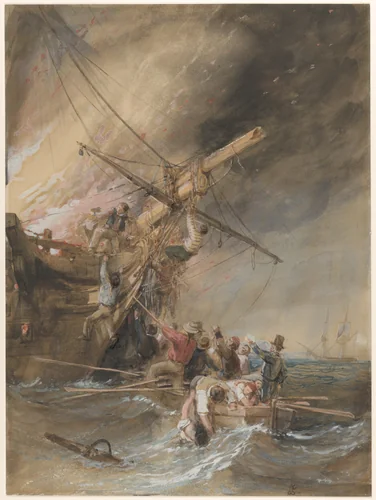
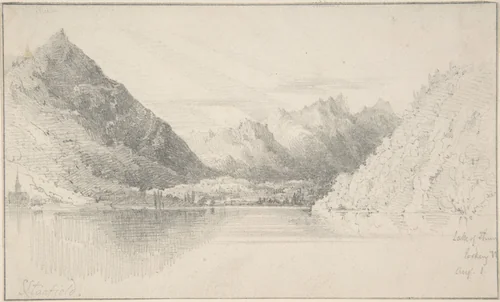
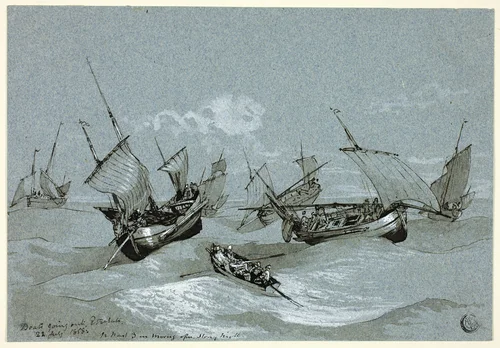
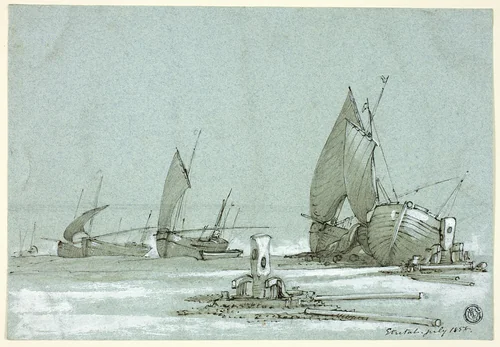
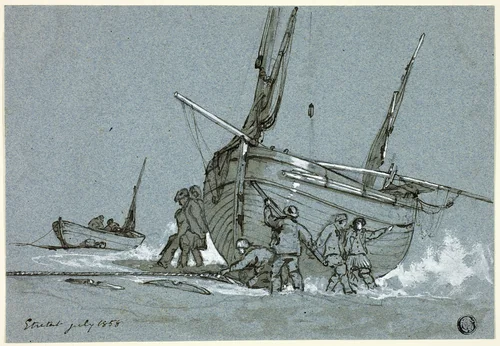
Stanfield’s mastery of the sea environment was unparalleled in his era. His works are characterized by exceptional topographical accuracy, particularly concerning ship rigging and coastal structure, yet they retain a dynamic energy drawn from his experience designing sets for London’s major playhouses. This facility is evident in narrative pieces like Fire at sea, which captures high drama, and in more placid, topographical views such as Lake of Thun looking North. Though best known for his coastal scenes, Stanfield’s versatility extended to genre works like Boys at Peepshow in Street and historical subjects like Edwy and Elgiva, demonstrating a broad command of subject matter.
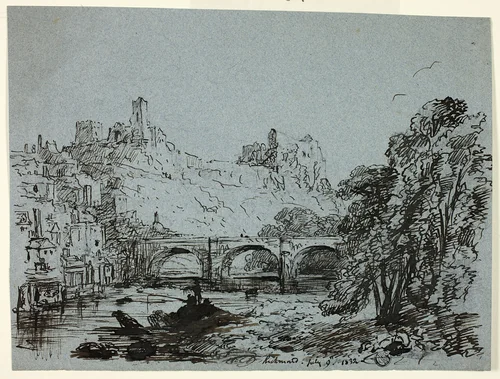
His critical and popular acclaim ensured his long-term legacy; his paintings were essential components of Victorian public exhibitions, illustrating both the grandeur of Britain's naval history and the picturesque allure of European locales like Richmond. The enduring significance of Stanfield’s contribution is underscored by the inclusion of his drawings and paintings in major institutional holdings, including the Art Institute of Chicago and the Metropolitan Museum of Art.
The Stanfield name remains firmly linked to artistic enterprise; Clarkson’s creative energy permeated his home life, where his legacy was carried forward by his son, the painter George Clarkson Stanfield, and his other son, the composer Francis Stanfield. Due to his extensive output and the chronological age of his work, many significant Clarkson Stanfield paintings and drawings are now widely accessible, allowing researchers and enthusiasts easy access to high-quality prints and downloadable artwork for study and appreciation.
Source: Wikipedia · CC BY-SA 4.0