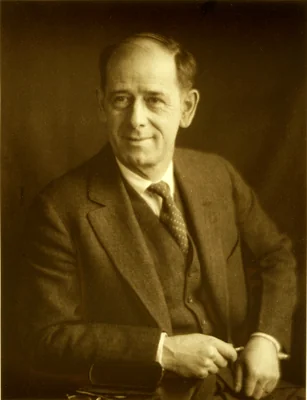
Clarence H. White
Clarence Hudson White (1871-1925) was a seminal American photographer, a key organizer of the Photo-Secession movement, and the pioneering educator who established the first institution in the country dedicated to teaching photography as fine art. Although he spent his formative years in small Ohio towns, White was entirely self-taught in the medium, taking up the camera only after visiting the transformative World’s Columbian Exposition in 1893. Despite this lack of formal training, his development was remarkably rapid.
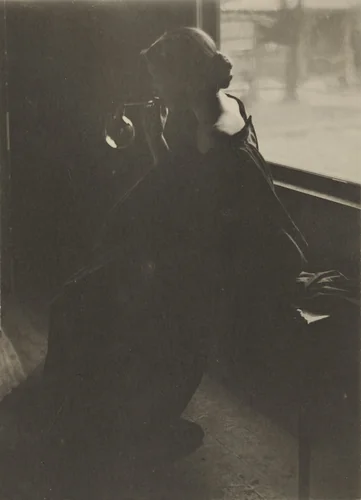
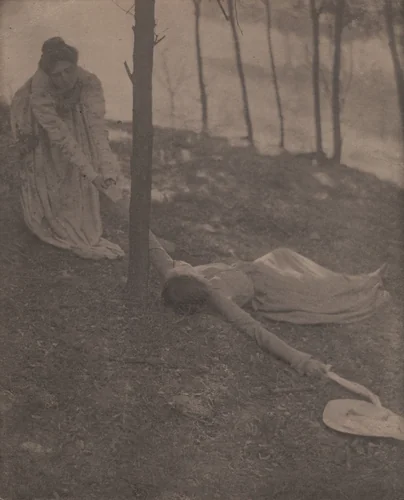
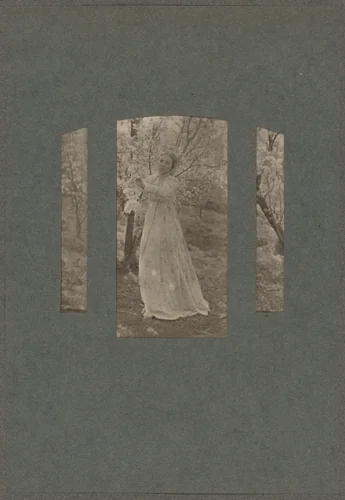
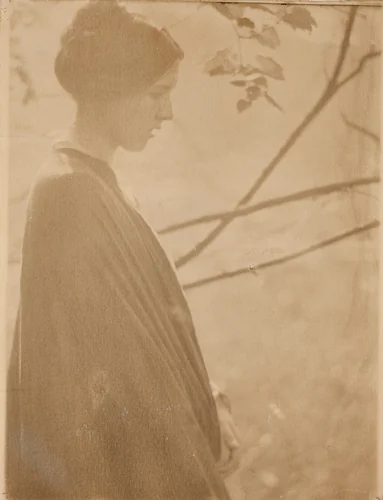
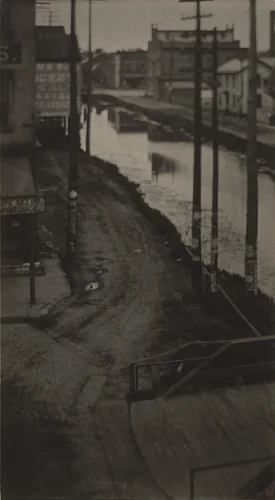
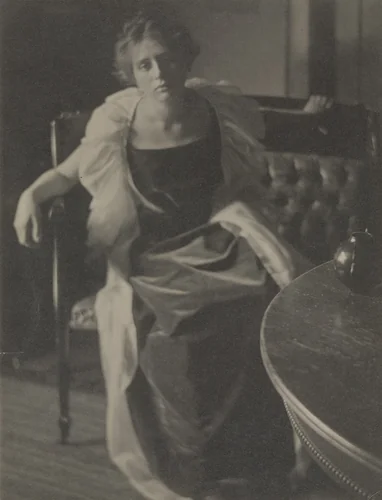
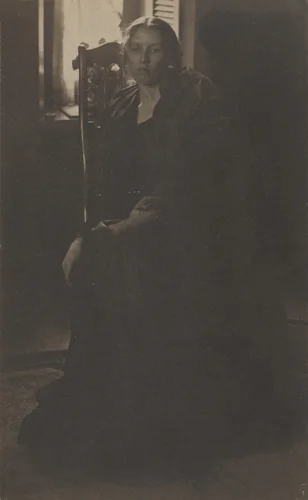
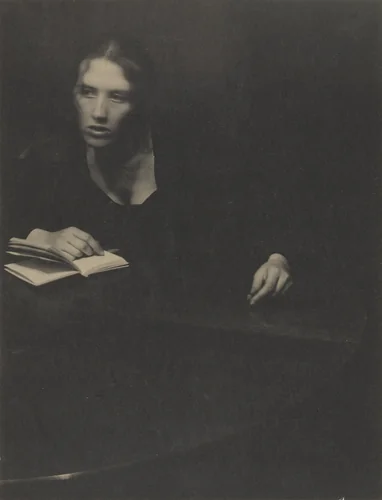
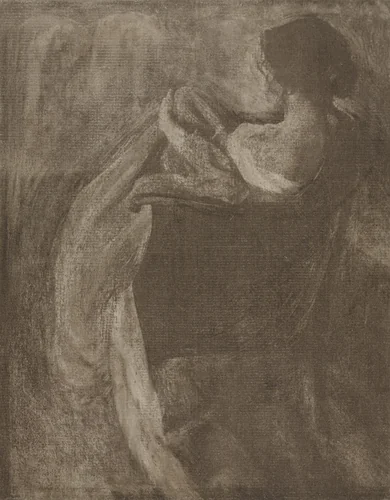
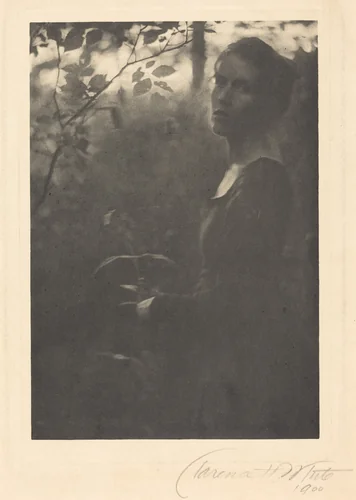
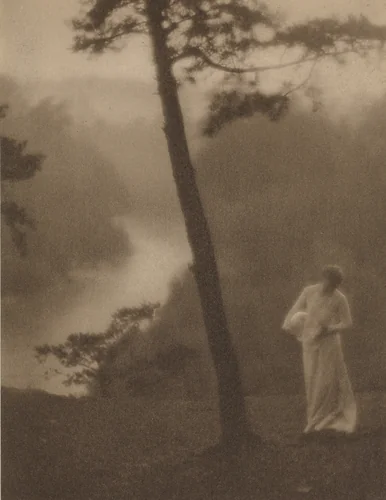
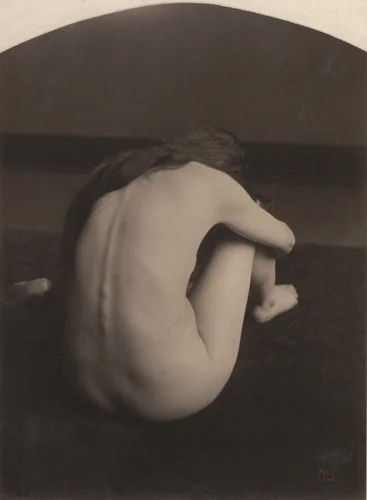
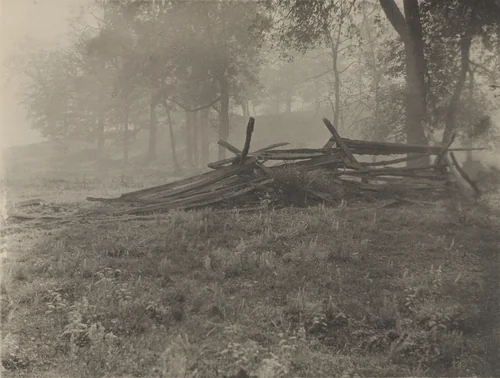
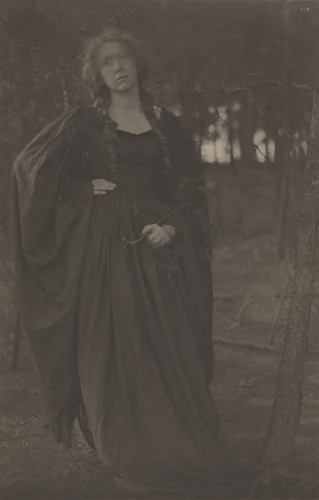
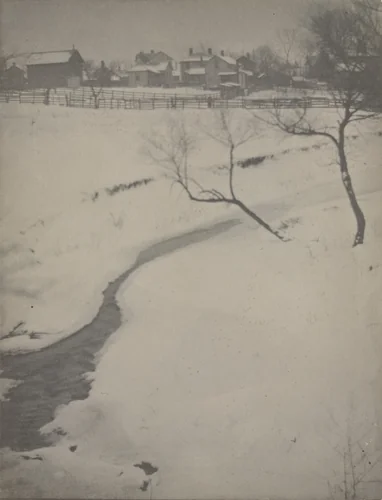
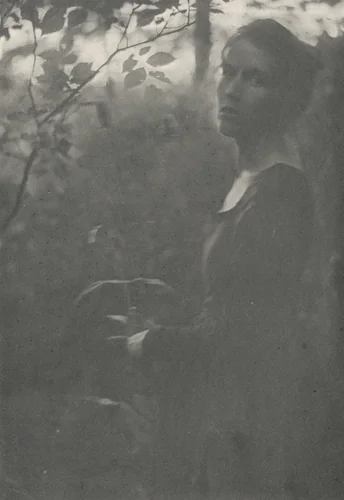
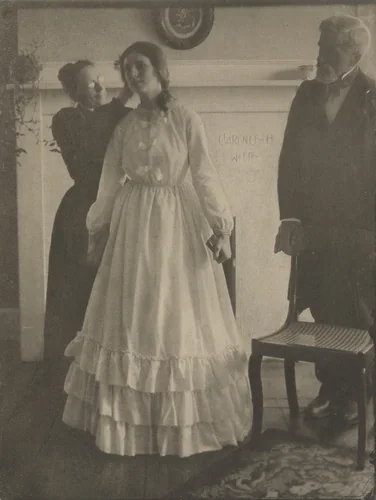
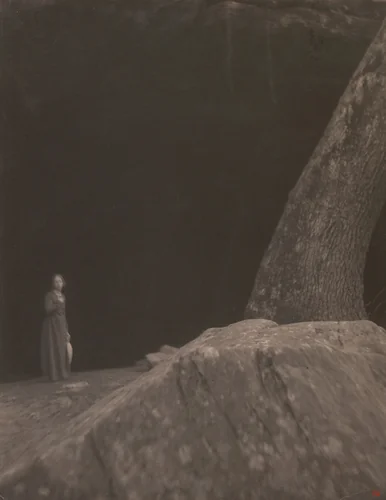
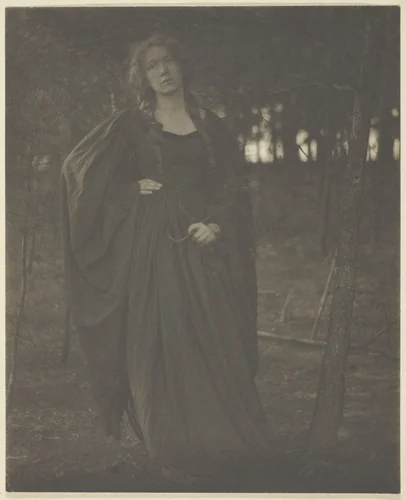
Within a few years, White achieved international recognition for his luminous, sensitive photographs. His work, characterized by its soft focus and compositional elegance, quickly defined the aesthetic goals of American Pictorialism, capturing the desired spirit and sentimentality of the era through evocative images such as Letitia Felix and Gertrude Käsebier in Maine. This mastery of atmospheric light and form brought him into close alliance with Alfred Stieglitz, and White became a founding member of the influential Photo-Secession group. This alliance cemented his role as a crucial advocate, pushing the medium beyond mere documentation and into the realm of museum-quality art.
The demands of collaboration and mentorship frequently drew photographers across the country seeking White's expertise, leading him to relocate his family to New York City in 1906 to be closer to the Stieglitz circle and further his advocacy. However, White’s greatest long-term influence shifted decisively from image creation to education. Recognizing the acute need for standardized artistic training in the field, he established the Clarence H. White School of Photography in 1914. This was the first educational institution in the United States dedicated specifically to teaching photography as an artistic discipline.
This profound commitment to instruction proved taxing on his personal creative output; his production of new images declined markedly during his final decade. Nevertheless, his legacy is secure, both through his early, masterful compositions and his foundational role in pedagogical innovation. The availability of high-quality prints and downloadable artwork ensures that White’s vision continues to reach new audiences worldwide as his work enters the public domain. White’s devotion to teaching was unwavering, culminating in his death in 1925 when he suffered a heart attack while conducting a class for students in Mexico City. It seems entirely fitting that one of photography’s greatest educators died, quite literally, while instructing.
Source: Wikipedia · CC BY-SA 4.0