Claes Moeyaert
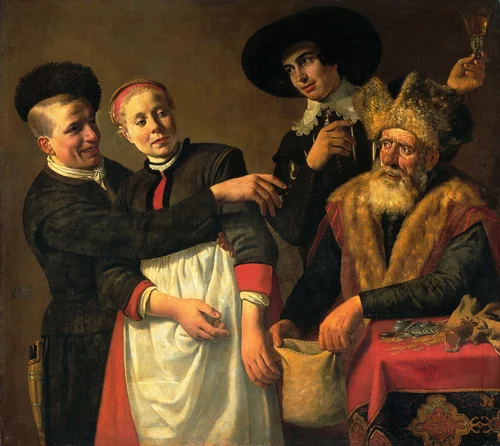
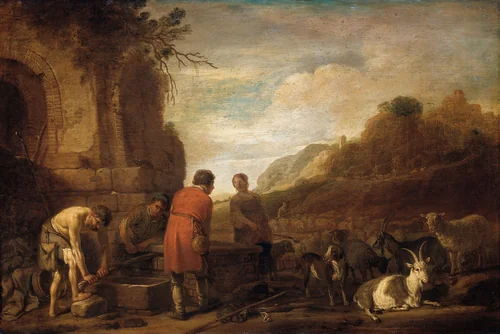
Claes Corneliszoon Moeyaert (1592-1655), also frequently cited as Nicolaes Moyaert or Mooyaert, holds a distinct and authoritative position within the history of 17th-century Dutch painting. Active from the early 1600s, Moeyaert operated as a prominent Catholic master in the predominantly Protestant Dutch Republic, carving out a significant market by specializing in sophisticated biblical narratives and historical scenes demanding emotional gravity.
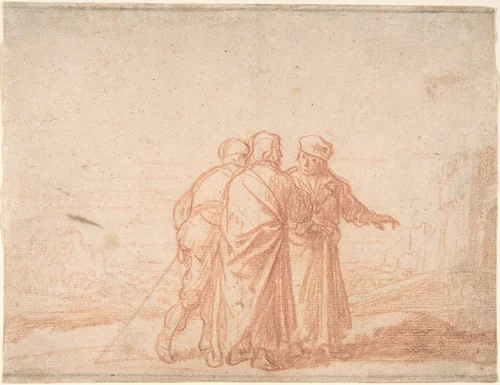
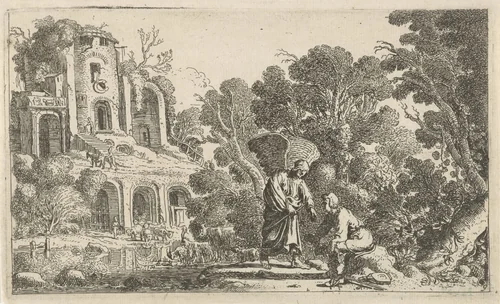
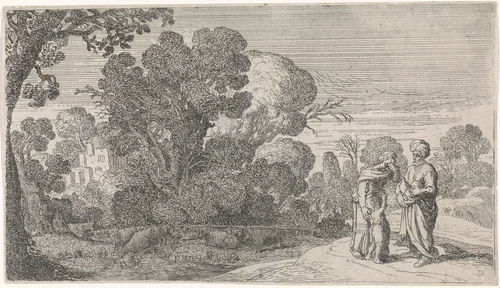
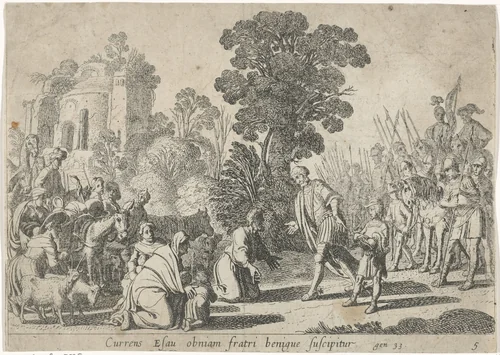
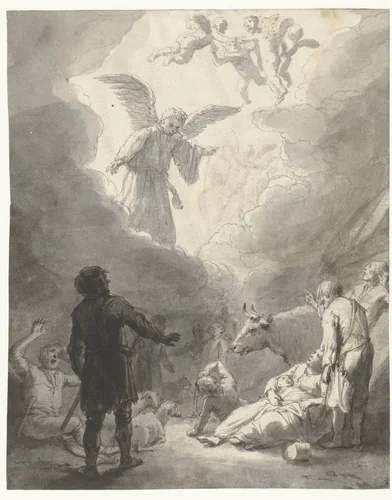
Moeyaert’s oeuvre is defined by narrative complexity and a powerful use of light and shadow, evident in both his executed paintings and his extensive printed output. He was a master of draftsmanship, with surviving works spanning prints, drawings, and paintings that demonstrate a clear evolution in his approach to classical and religious themes. In terms of technical innovation, Moeyaert is noted as one of the few Dutch artists of his generation to actively follow the lead of Rembrandt in the exacting use of red chalk for studies and preparatory drawings, indicating his progressive engagement with new graphic techniques emerging in Amsterdam.
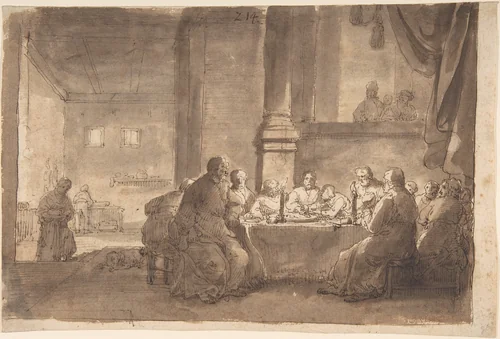
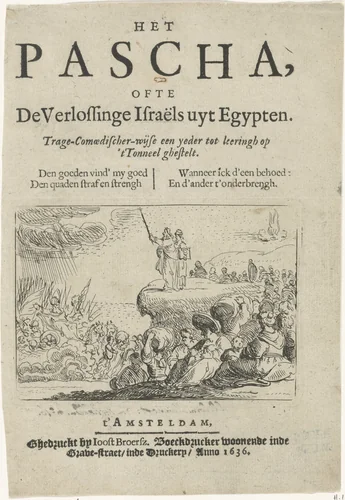
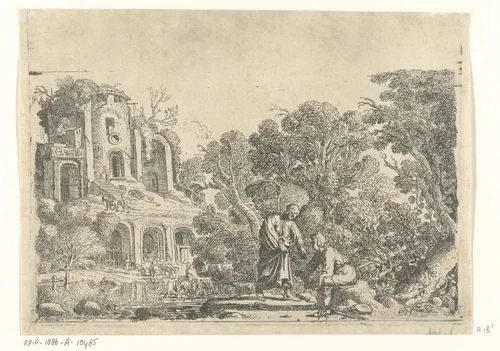
His dramatic flair is palpable in works such as the print Farao en zijn leger verdrinken in de Rode Zee, which exemplifies his capability for depicting monumental action, contrasted with the more reflective intensity found in compositions like The Last Supper and The Road to Emmaus. This ability to traverse emotional registers secured his reputation among contemporary collectors.
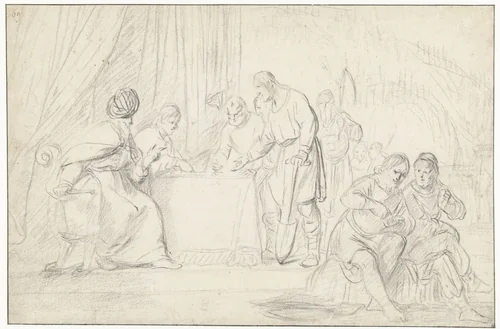
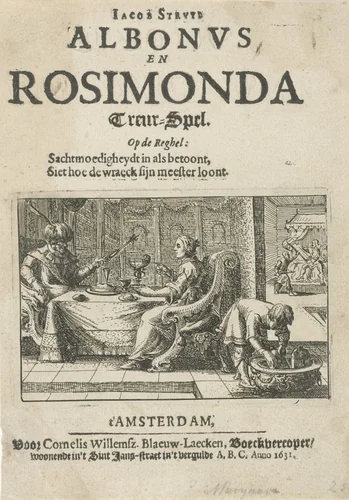
Moeyaert’s legacy is preserved today through institutional collections worldwide, notably the Rijksmuseum and the Metropolitan Museum of Art, which steward numerous examples of his narrative output. His extensive production of reproducible works, particularly etchings, ensured wide distribution during his lifetime. This volume of original material means that numerous high-quality prints and drawings by Claes Moeyaert are now accessible in the public domain. For scholars and connoisseurs alike, the availability of such museum-quality compositions, including complex works like Parabel van de arbeiders in de wijngaard and Albonus en Rosimonda, allows for continued appreciation of this pivotal, yet sometimes overlooked, Dutch master.
Source: Wikipedia · CC BY-SA 4.0