Claes Jansz Visscher
Claes Janszoon Visscher (active 1564-1586) stands as a foundational figure in the history of Dutch graphic arts and publishing, operating during the nascent period of the Golden Age. Though his legacy is often intertwined with the achievements of his descendants, it was Visscher himself, a highly capable draughtsman and engraver, who established the Visscher family mapmaking and publishing house in Amsterdam. This firm would rapidly evolve into one of the most successful and enduring graphic distribution centers of its era, fundamentally shaping European cartography and the circulation of reproducible imagery for over a century.
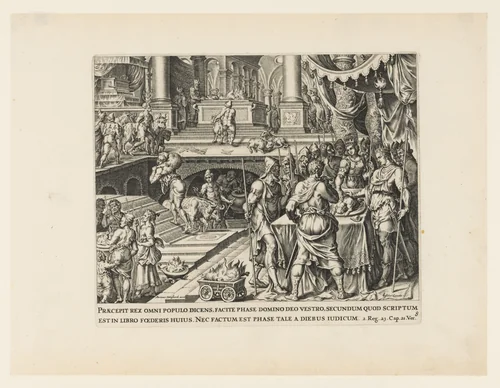
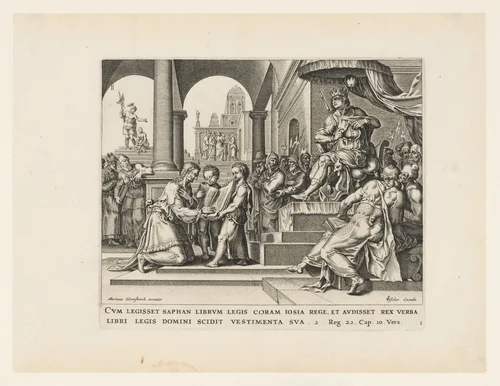
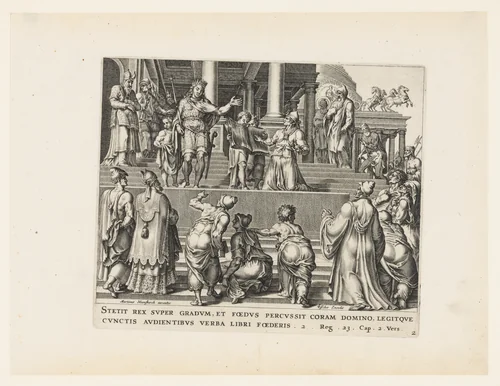
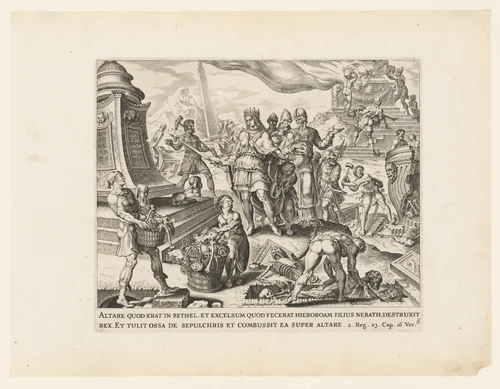
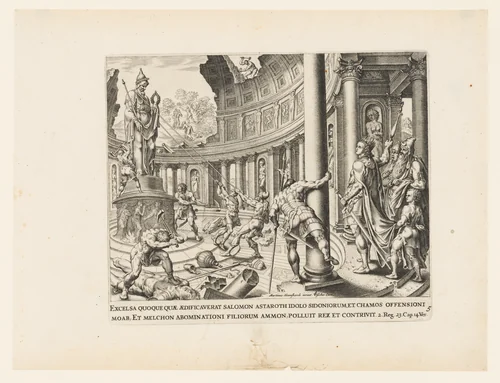
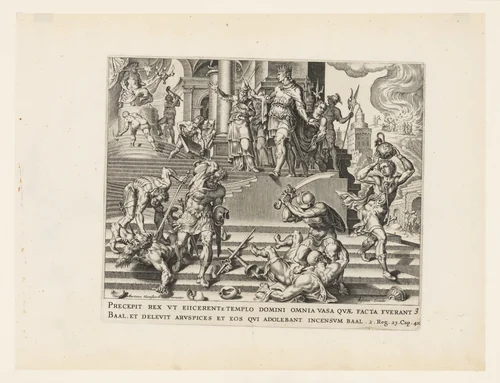
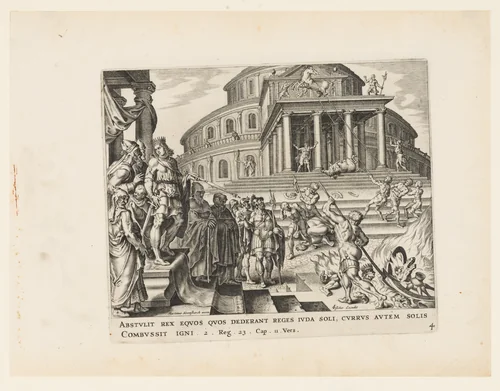
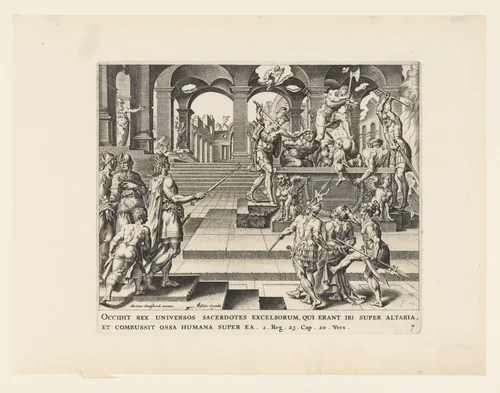
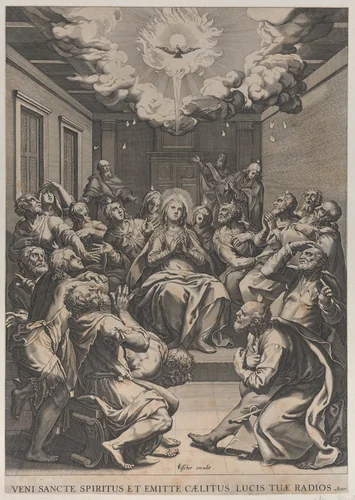
Visscher’s personal artistic output was centered on printmaking, demonstrating a sophisticated command of engraving techniques necessary for the dissemination of religious and historical narratives. His work reflects the highly detailed, complex compositional style prevalent in the late sixteenth century, characterized by rigorous attention to architectural precision and dramatic staging. Prints such as Saphan Reading the Book of the Law to Josiah and the intricately rendered The Destruction of the Altar at Bethel and the Exhumation of the Bones from the Sepulchers showcase the demanding skill required to translate grand, multilayered scenes onto copper plate. These powerful graphic works ensured that his Claes Jansz Visscher prints entered prestigious international holdings, including the permanent collections of the Metropolitan Museum of Art and the National Gallery of Art.
The true measure of Visscher's lasting influence lies less in volume and more in his visionary entrepreneurial acumen. Establishing a publishing business that successfully sustained high-quality prints across multiple generations, before its eventual acquisition by Peter Schenk, speaks volumes about the early modern demand for meticulous graphic production. One might observe that founding an enduring commercial dynasty capable of weathering economic shifts is perhaps an even greater challenge than the completion of a single masterpiece. Visscher ensured that the exacting standards of his firm provided the market with consistently museum-quality imagery. Today, much of his foundational graphic work is in the public domain, offering historians and enthusiasts the benefit of downloadable artwork, thereby preserving the detailed precision that defined the dawn of Dutch publishing excellence.
Source: Wikipedia · CC BY-SA 4.0