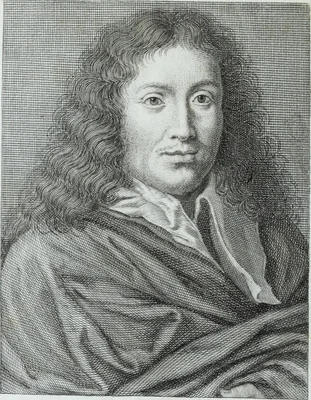
Ciro Ferri
Ciro Ferri (1634-1689) holds a crucial, if sometimes understated, position within the history of the Roman Baroque. An Italian sculptor and painter, Ferri is primarily known as the chief pupil and designated successor of Pietro da Cortona, assuming stewardship of that master’s colossal decorative style in the latter half of the seventeenth century. This succession placed Ferri at the center of Roman ecclesiastical and aristocratic patronage, where he ensured the continuity of Cortona’s aesthetic through the execution of large-scale frescoes, altarpieces, and architectural designs.
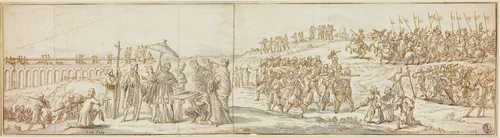
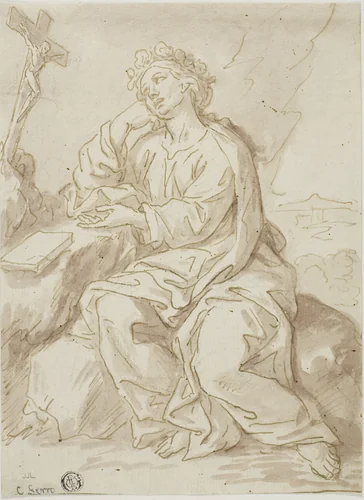
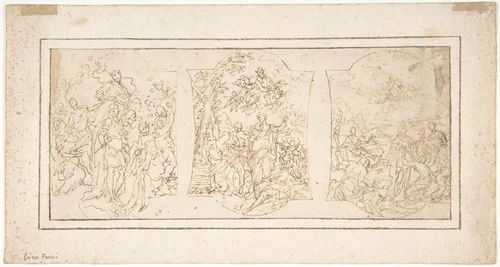
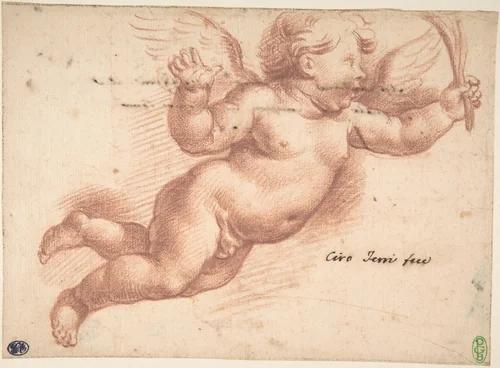
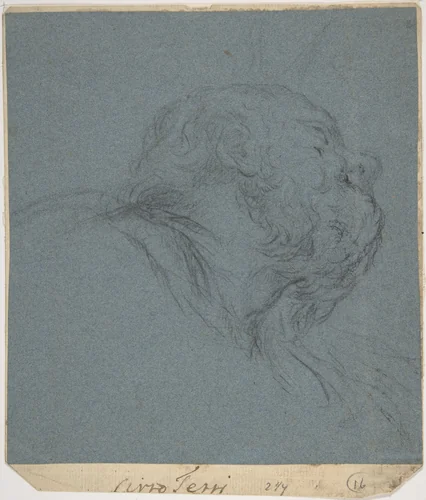
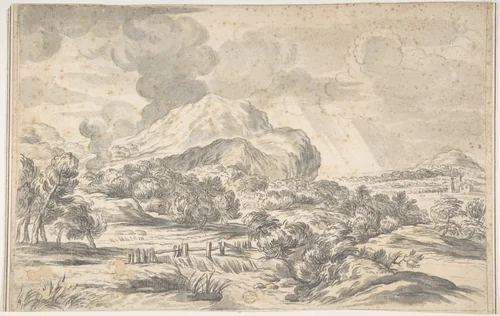
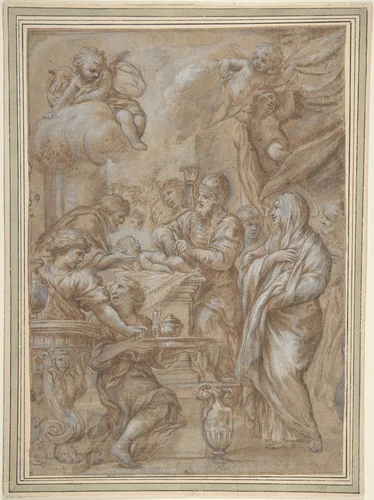
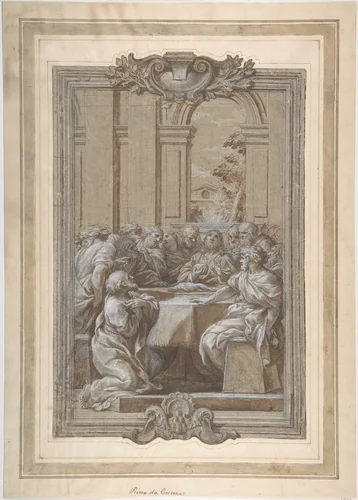
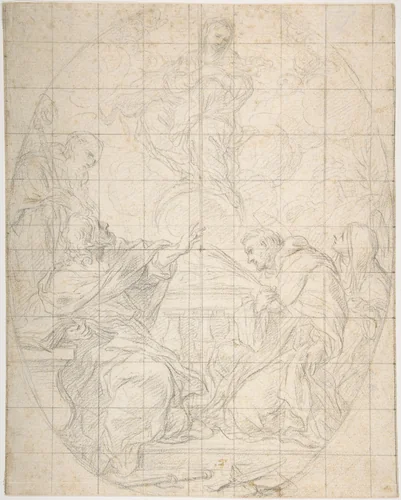
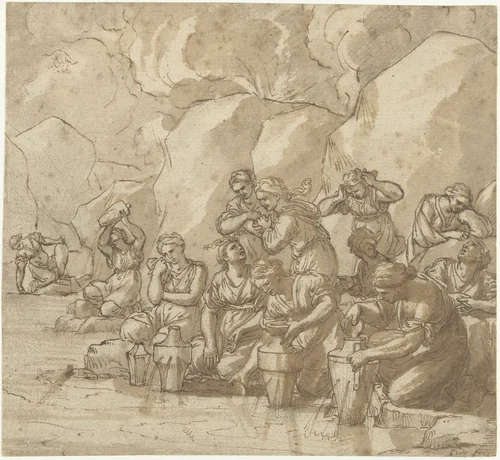
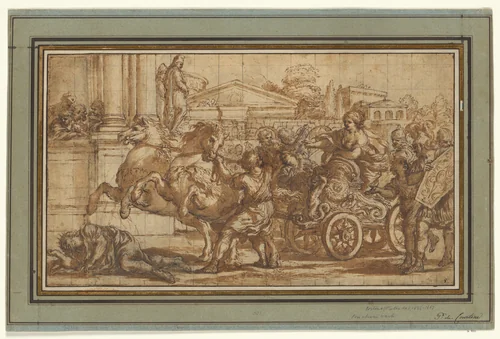
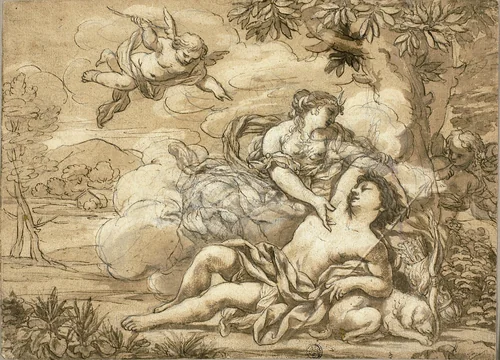
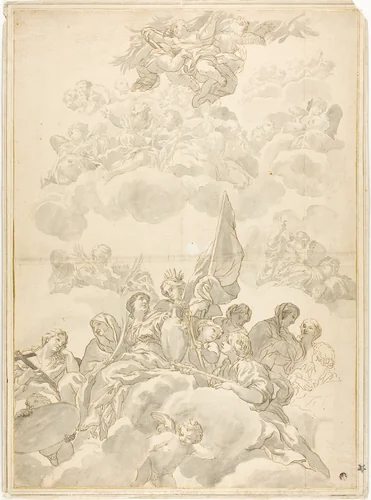
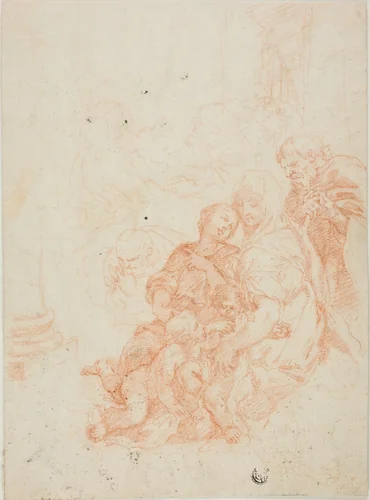
Ferri was not merely an imitator; he was a highly adaptable draftsman and designer whose versatility allowed him to translate the expansive Cortonesque vocabulary across multiple disciplines. His activity is best documented through his extensive collection of preparatory works, now housed in major global institutions, including the Metropolitan Museum of Art and the Art Institute of Chicago. These drawings confirm his mastery of line and volumetric rendering, whether capturing movement in devotional studies, such as Saint Dorothy Praying in Desert, or detailing the engineering required for civil projects, exemplified by Pope Visiting Construction Site of a Bridge.
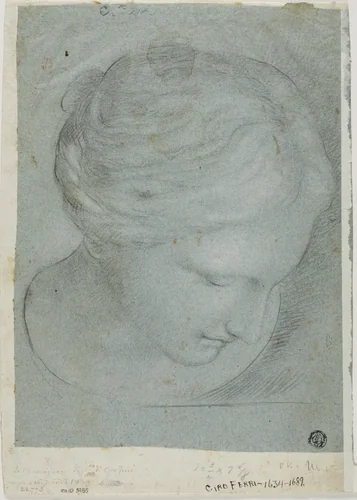
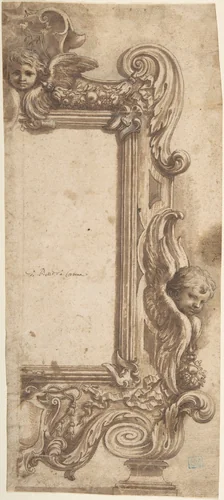
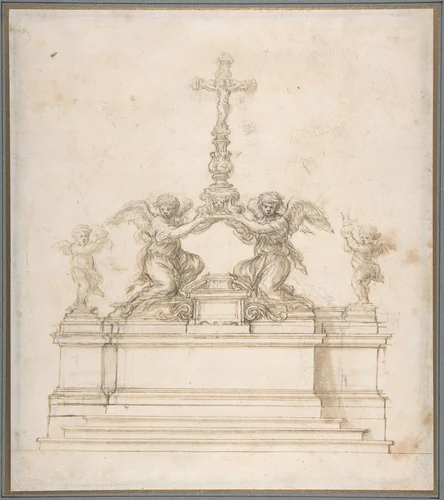
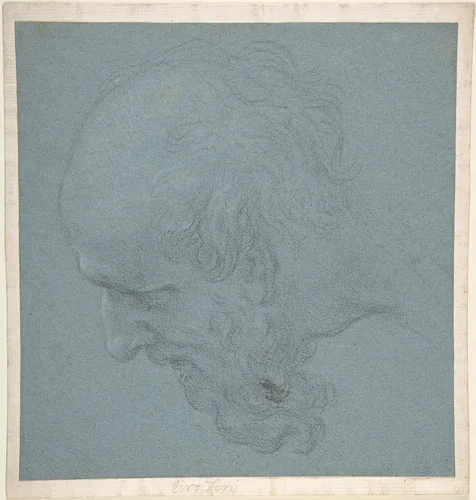
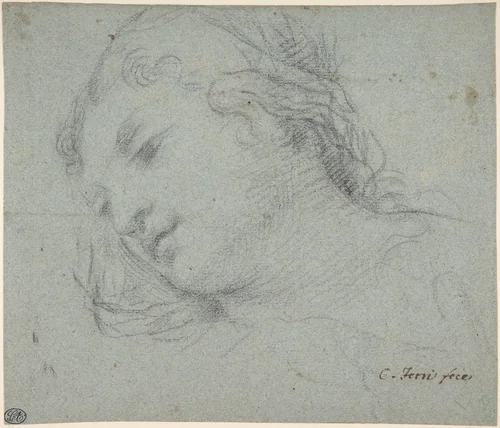
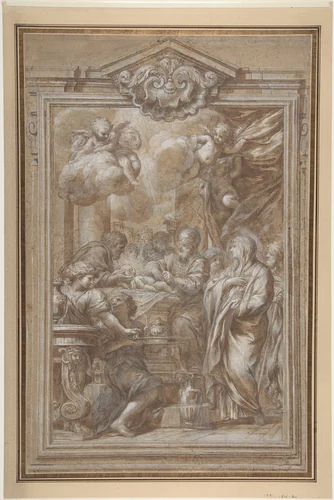
His talent was particularly pronounced in the realm of highly finished architectural and decorative schematics. His design practice encompassed everything from grand scale construction planning to ornamental details like the sophisticated Design for a Half Frame Decorated with Angels, Volutes and Garlands. Furthermore, Ferri was a rare artist in this period capable of translating a painterly idea seamlessly into sculptural form, evidenced by studies such as Sculpted Female Head and the powerful geometry of the devotional Design for an Altar with Kneeling Angels Supporting a Crucifix. This technical flexibility ensured he was the definitive choice for integrated, multidisciplinary projects requiring stylistic consistency.
Though he worked successfully in painting and sculpture, Ferri’s greatest legacy may be his detailed documentation of the transition of the High Baroque style into the later seventeenth century. Today, his masterful preparatory works are highly valued, confirming his status as a master draftsman. The historical significance of his work is matched by its public accessibility; many examples of Ciro Ferri prints are now available, and his detailed studies often appear as high-quality prints or downloadable artwork through museum-quality collections, inviting close study of his technical skill.
Source: Wikipedia · CC BY-SA 4.0