Chuquibamba
Chuquibamba, a municipality situated in the Arequipa region of southern Peru, holds significance far beyond its current function as the capital of the Condesuyos province and the seat of a Territorial Prelature. Historically, the area represents a key center of indigenous cultural production, particularly evidenced by the remarkable quality of the woven artifacts attributed to the region in the late fifteenth century.
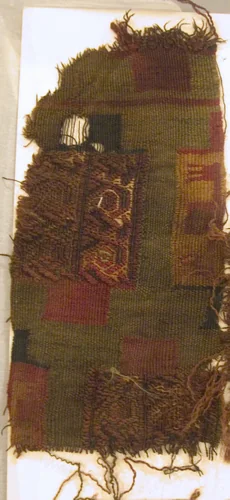
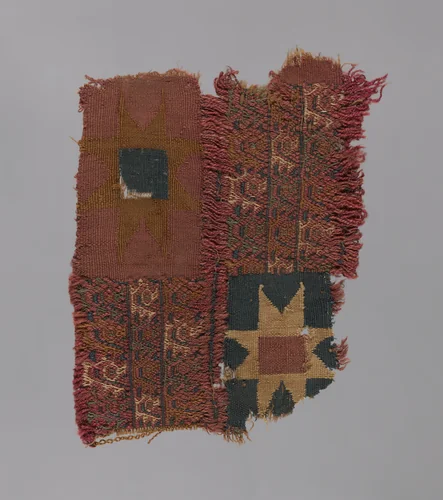
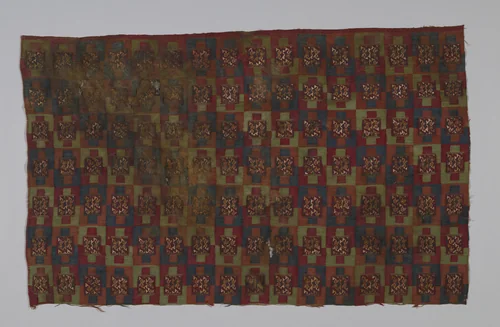
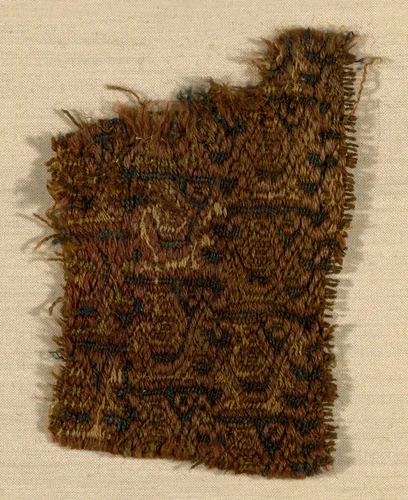
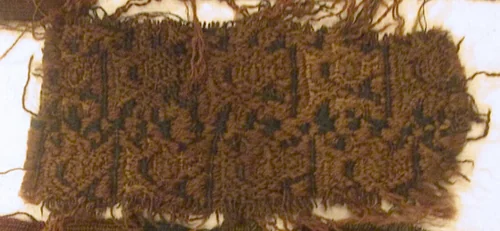
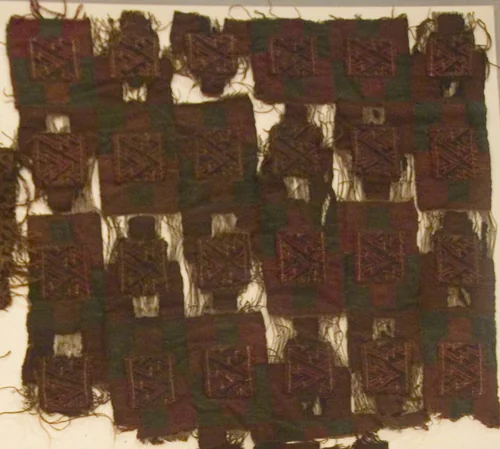
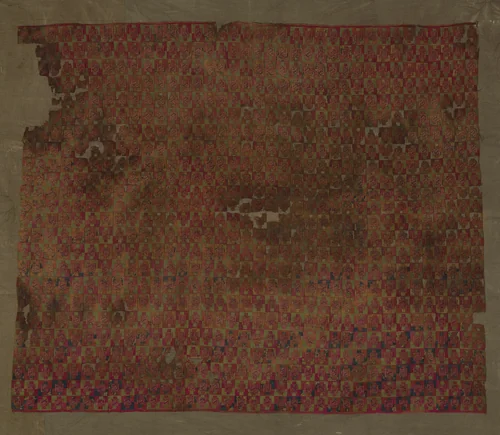
The date 1476 marks the apex of the documented textile artistry associated with Chuquibamba, a time when regional styles often interacted with the expanding influence of the Inca empire. However, the seven extant textiles—cataloged in collections such as the Art Institute of Chicago—demonstrate a unique technical mastery, suggesting the sustained existence of a highly localized craft tradition. These items, usually identified simply as Fragment in museum databases due to their condition, are invaluable primary sources for understanding the complexity of Andean fiber arts just before the colonial era.
The technical innovations found in these high-quality woven textiles involve intricate structure, sophisticated ply manipulation, and a mastery of natural dyes that produced colors of exceptional depth and durability. The surviving fragments offer specific evidence of the status associated with these commissioned works; only specialized artisans could have possessed the tools and materials necessary to achieve such precision. Studying the warp and weft of these objects reveals narrative design elements and abstract geometric codes crucial to Pre-Columbian visual literacy.
It is a curious observation that these sophisticated cultural artifacts, representing hundreds of hours of painstaking labor performed over five centuries ago, are often formally listed with the generic and functional title Fragment in modern institutional records. Nevertheless, the intrinsic value of this output remains undisputed, establishing the works as museum-quality examples of regional Peruvian artistry. For wider academic study, the visual legacy of this period is increasingly being documented; detailed photography allows for the creation of Chuquibamba prints and downloadable artwork, supporting the movement toward making these globally significant collections available in the public domain. These textiles collectively ensure Chuquibamba’s enduring place as a nexus of artistic excellence in Andean history.
Source: Wikipedia · CC BY-SA 4.0