Christopher Richard Wynne Nevinson
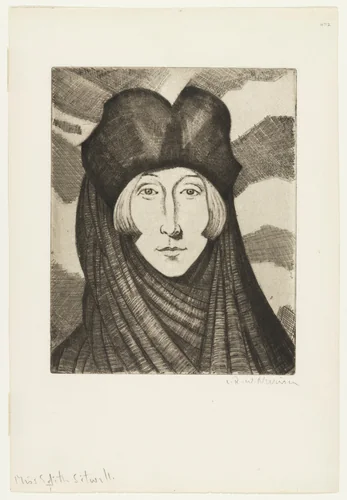
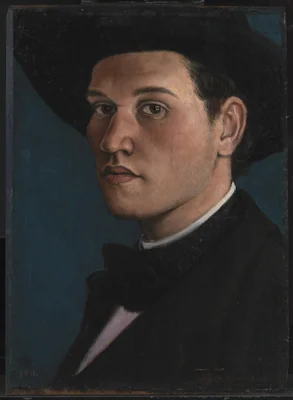
Christopher Richard Wynne Nevinson (1889-1946), often cited by his initials C. R. W. Nevinson, secured his enduring place in art history as the foremost British chronicler of the First World War. An extremely versatile practitioner, he excelled equally as an English figure and landscape painter, etcher, and lithographer. His significance rests not just on the volume of his output, but on the intellectual rigor and aesthetic innovation he applied to capturing the trauma of mechanized conflict.
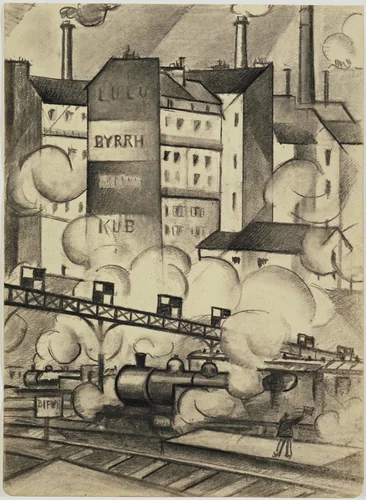
Trained at the Slade School of Art, Nevinson rapidly distanced himself from traditional aesthetics, embracing the aggressive dynamism of the emerging European avant-garde. He actively participated in the radical movements that sought to articulate the speed and fragmentation of modern life, briefly aligning with Italian Futurism and the abstract geometry of Vorticism. This early period saw him experiment with sharp, intersecting planes and vectors to depict urban energy, producing complex compositions like Study for The Departure of the Train de Luxe. These works established him as a central figure in modern British art before the outbreak of hostilities.
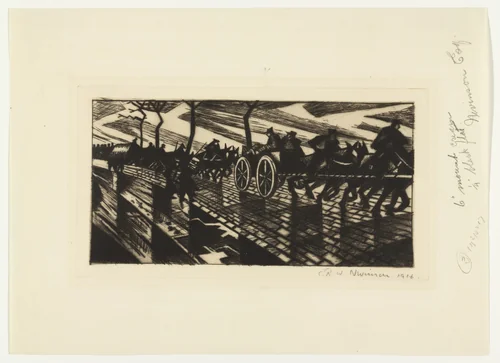
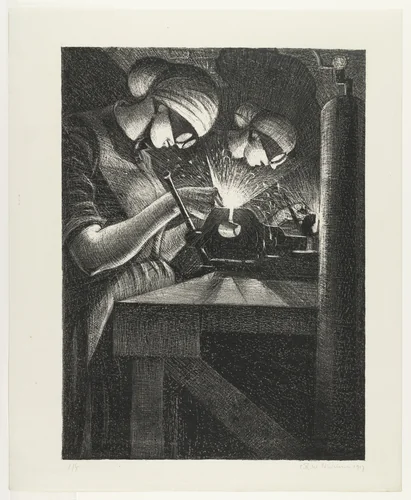
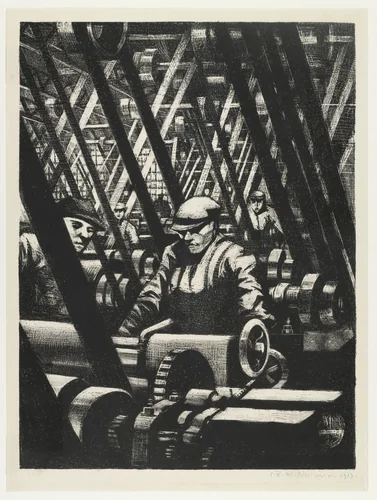
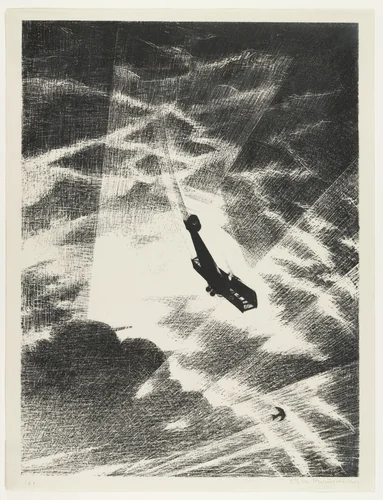
Nevinson’s subsequent experiences as an ambulance driver and official war artist transformed his focus. While early depictions of the front, such as The Road to Ypres, employed a fractured, near-abstract vision of industrialized decay and human suffering, his later work evolved toward a precise, stark realism. This shift aimed to document the vast, dehumanizing scale of the war machine. His influential lithographic series Building Aircraft meticulously detailed the required home-front labor, capturing the disciplined efficiency of production lines in plates like Acetylene Welder and Making the Engine. Even as he documented factory floors, the threat of aerial warfare loomed, exemplified by the tension captured in Swooping Down on a Taube.
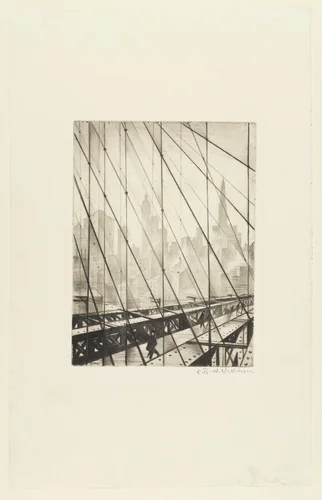
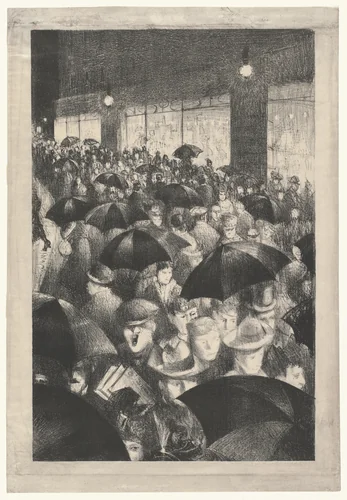
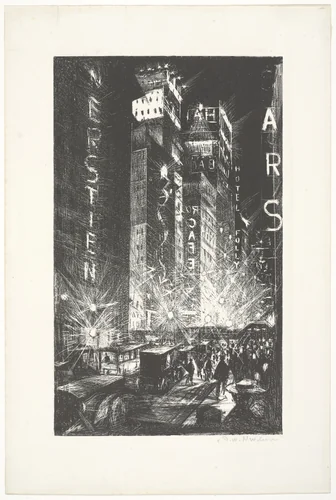
Known to some friends and family simply as Richard, Nevinson navigated the complexities of celebrity during the war years, balancing an artistic dedication to truth with a pronounced concern for his public standing. His ability to fuse modernist vocabulary with visceral reportage resulted in images that remain some of the most powerful visual records of the conflict. Today, his substantial body of work is widely studied, with many compositions now in the public domain and available as high-quality prints and downloadable artwork. Nevinson’s masterful etching and lithography ensures his continued impact through accessible Christopher Richard Wynne Nevinson prints in major museum collections worldwide.
Source: Wikipedia · CC BY-SA 4.0